




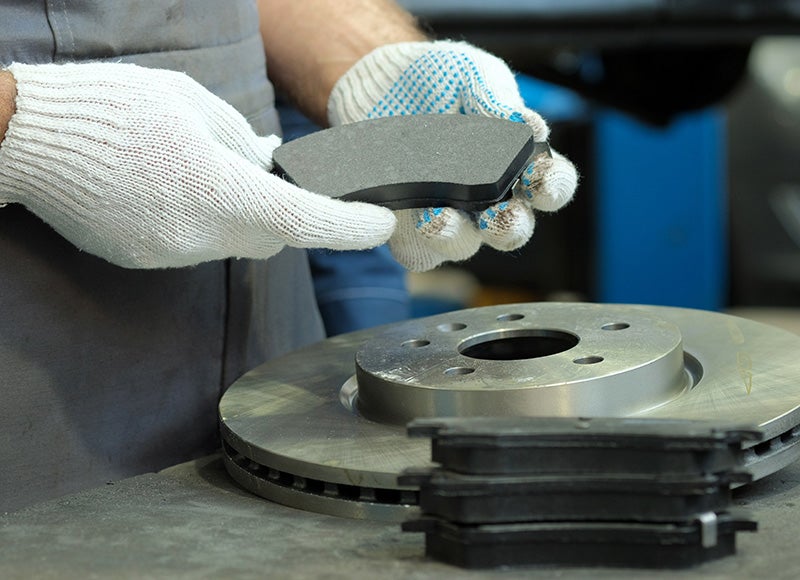
If you've ever wondered what actually makes your vehicle stop when you hit the brakes, we're here to help drivers in Darien, Conn. Understand how they work. The brake system is one of the most important safety systems on any vehicle, and understanding the different components can help you spot problems before they become serious. Here's an FAQ to help you better understand how your brakes work. What Are the Main Components of a Brake System? Your brakes are made up of several key parts that work together every time you slow down or stop. The most common setup is a disc brake system, which uses a rotor, caliper, and pads. The rotor is a metal disc that spins along with the wheel. The caliper squeezes the brake pads against the rotor to create the friction needed to slow the vehicle. Some vehicles also use drum brakes on the rear axle, which work differently but serve the same purpose. What Controls the Brakes? Several components manage how braking force is generated and distributed. When you press the brake pedal, it activates the master cylinder, which pressurizes brake fluid and sends that pressure through brake lines to each wheel. Many vehicles also include a brake booster, which uses engine vacuum to amplify the force of your foot on the pedal, making it easier to stop. The anti-lock braking system, or ABS, is another critical control component - it prevents wheel lockup during hard stops by rapidly modulating brake pressure. What Is Brake Fluid and Why is it Important? Brake fluid is the hydraulic fluid that transfers the force you apply at the pedal to the brake components at each wheel. Over time, brake fluid absorbs moisture from the air, which lowers its boiling point and can reduce braking performance. This is a common FAQ topic, and the short answer is: yes, brake fluid should be checked and replaced according to your vehicle's maintenance schedule. What Are the Signs of Failing Brakes? Knowing when your brakes may need attention is just as important as understanding what brakes are made of. Here are the most common warning signs to watch for. A high-pitched squealing noise when you apply the brakes is often the first indicator. Most brake pads include a metal wear indicator that produces this sound intentionally to alert you that the pads are getting thin. If you hear a grinding noise instead, the pads may already be worn through, and the metal caliper could be contacting the rotor - that's a more urgent situation. Vibration or pulsation through the brake pedal or steering wheel during braking can indicate warped rotors. A soft or spongy pedal feel suggests there may be air in the brake lines or a problem with the master cylinder. If your vehicle pulls to one side when braking, a sticking caliper or uneven pad wear could be the cause. A brakes warning light appearing on your dashboard is another signal that something in the system needs attention. This could be related to low brake fluid, worn pads, or an ABS fault. You should never ignore this light. How Often Should Brakes Be Inspected? Wear and tear of your brakes depends on your driving habits, the terrain you cover, and the type of vehicle you drive. A general guideline is to have your brakes inspected at least once a year or during every other tire rotation. If you notice any of the warning signs above, don't wait - schedule a service appointment as soon as possible. Visit H & L Chevrolet for Brake Service Understanding how your brakes work is the first step toward staying safe on the road. Whether you have a simple question or need a full inspection of your brakes, the certified service team at H & L Chevrolet is ready to help. Serving customers throughout Darien, CT, we use quality parts and skilled technicians to keep your vehicle stopping confidently. Stop by or schedule your appointment today.
Car Battery: What It Is and How It Works
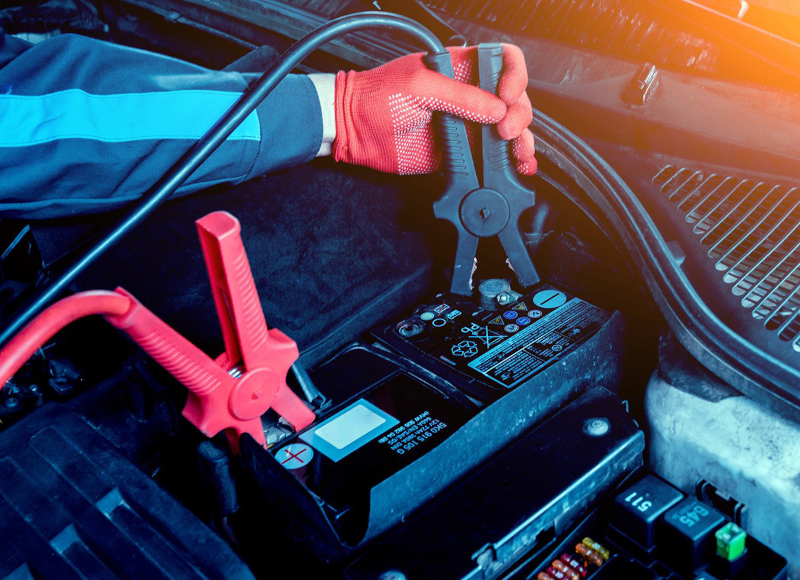
Car Battery Basics: The Small Box Responsible for a Very Big Job A car battery spends most of its life sitting out of sight, asking for no attention whatsoever. Then one morning in Darien, you turn the key or press the start button and get nothing. Suddenly, it becomes the most interesting component on the vehicle. Your battery provides the electrical energy needed to start the engine and supports numerous electrical systems throughout the vehicle. Understanding what it does, recognizing the warning signs of a weak battery, and arranging battery testing before it fails can save you from learning about the whole system while stranded in a parking lot. The Battery Is Your Vehicle's Electrical Reserve Most conventional vehicles use a rechargeable 12-volt lead-acid battery. Inside are cells that use a chemical reaction to store electrical energy and release it when the vehicle needs it. You don't need to understand the chemistry to appreciate the result. The battery provides a reserve of electrical power that can be delivered immediately when you start the vehicle. It also needs to meet the specifications of the vehicle, which is why choosing the correct replacement battery is important. A Chevrolet Certified Service department or parts department can help identify the proper battery when replacement becomes necessary. Starting the Engine Is Only Part of the Job The battery's biggest assignment comes when you start the vehicle. It supplies electrical current to the starter motor, which cranks the engine. The battery can also supply power to headlights, interior lighting, infotainment equipment, and other electrical components when the engine isn't running. Once the engine starts, the alternator generates electricity and recharges the battery while helping supply the vehicle's electrical needs. The battery also helps stabilize voltage within the electrical system. If starting problems or unusual electrical behavior appear, battery testing and electrical-system diagnosis can help determine where the problem originates instead of simply replacing parts and hoping for the best. Every Start Takes Power, and the Alternator Puts It Back Starting an engine requires a substantial burst of electrical current. Once the engine is running, the alternator begins replenishing the energy used during startup. That relationship continues throughout the battery's service life, but batteries don't maintain the same ability to accept and hold a charge forever. Age, temperature extremes, frequent short trips, and other operating conditions can gradually reduce battery performance. Routine vehicle maintenance provides opportunities to inspect the battery and charging system before trouble develops. If you're already scheduling an oil change, tire rotation, or Multi-Point Vehicle Inspection, adding a battery check can provide useful information about its current condition. A Weak Battery Usually Drops a Few Hints Battery problems don't always arrive without warning. A slow or sluggish engine crank is one of the most recognizable symptoms, but dim lights, a battery warning indicator, unusual electrical behavior, or repeated need for a jump-start can also justify an inspection. Battery age provides another reason to pay attention. Many conventional car batteries last roughly 3 to 5 years, although actual service life varies with battery type, vehicle use, climate, and other conditions. Instead of relying solely on age, professional battery testing can evaluate its condition. If the battery tests poorly, a technician can determine if battery replacement is appropriate or if the starting and charging system needs further diagnosis. Repeated Jump-Starts Aren't a Maintenance Strategy A jump-start can get a vehicle moving again, but it doesn't explain why the battery lost its charge. If the problem returns, there could be an aging battery, charging-system concern, electrical drain, poor connection, or another issue requiring diagnosis. This is where professional Chevrolet battery service becomes more useful than repeatedly reaching for jumper cables. Technicians can inspect the battery and related components to determine what needs attention. Drivers can also check current service specials before scheduling maintenance and work with the parts department when a replacement battery or related component is required. Test It Before Silence Answers the Question Battery maintenance is considerably easier when the vehicle still starts. H & L Chevrolet serves Darien, CT, drivers with Chevrolet Certified Service for battery inspections, battery testing, battery replacement, electrical-system concerns, and other routine maintenance needs. If your vehicle has begun cranking slowly, displaying electrical symptoms, or simply has an aging battery you'd rather not gamble on, schedule a service appointment online and have it checked before the next turn of the key.