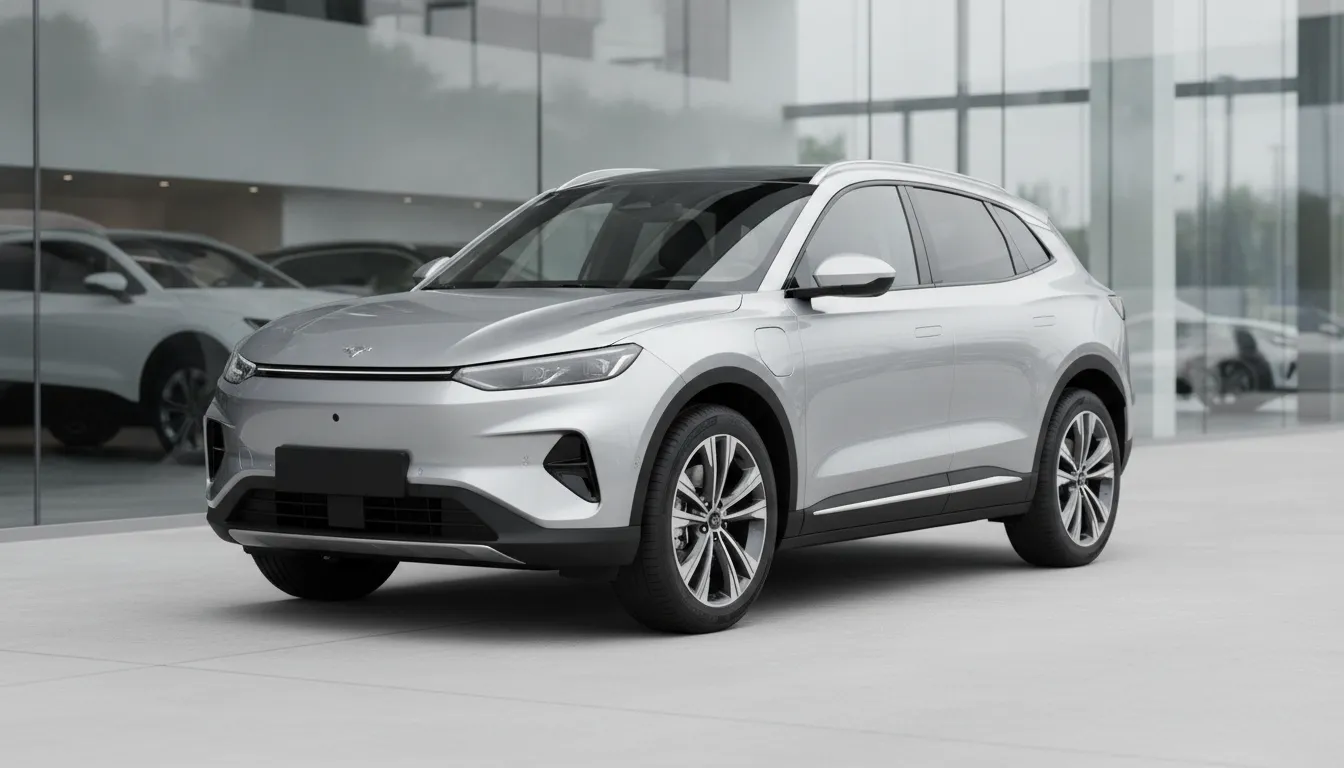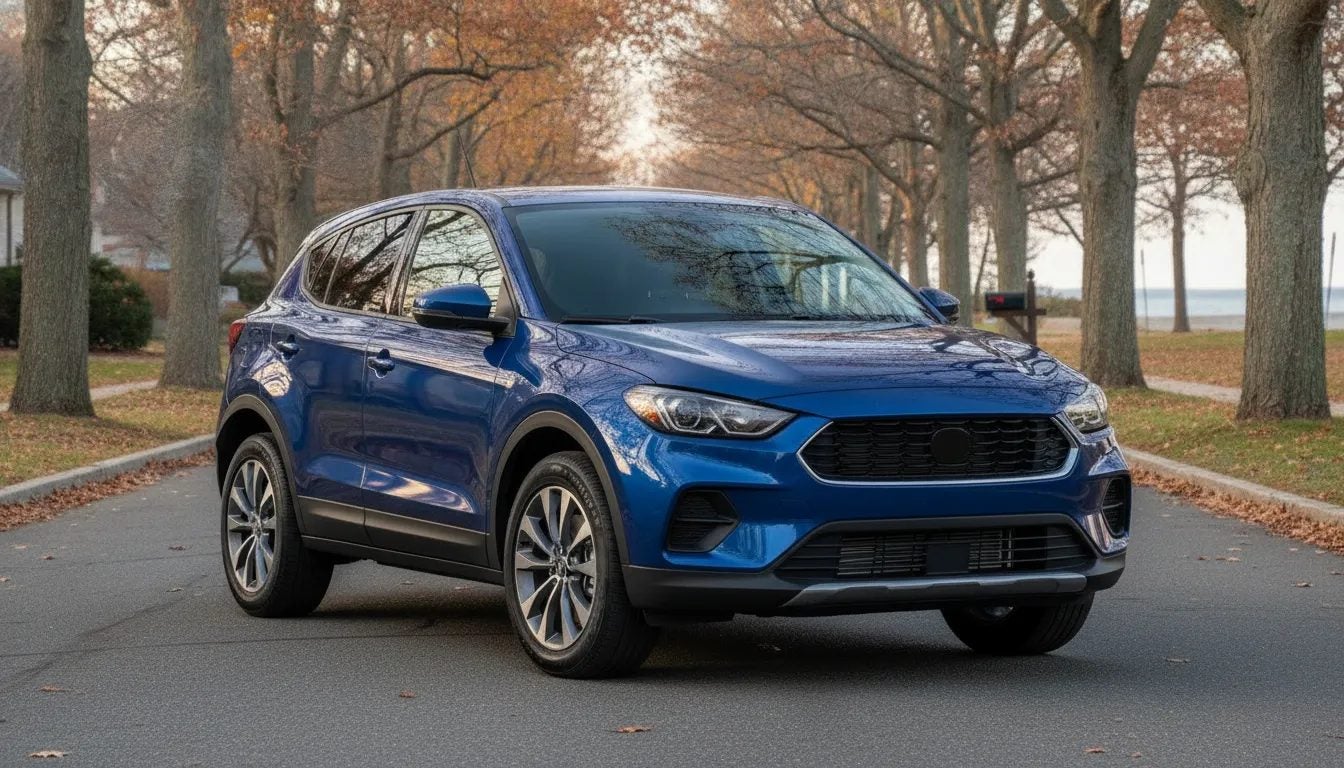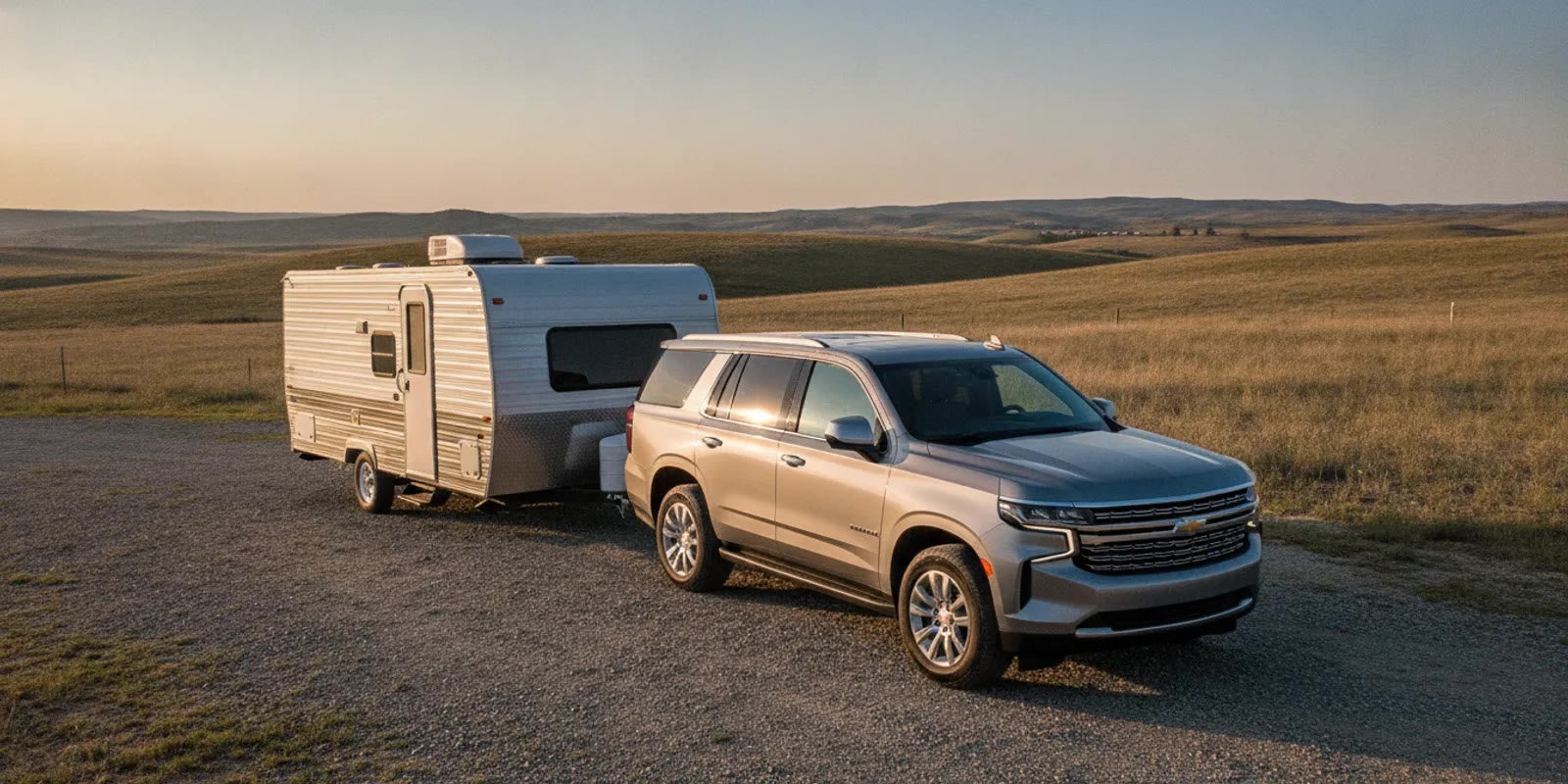




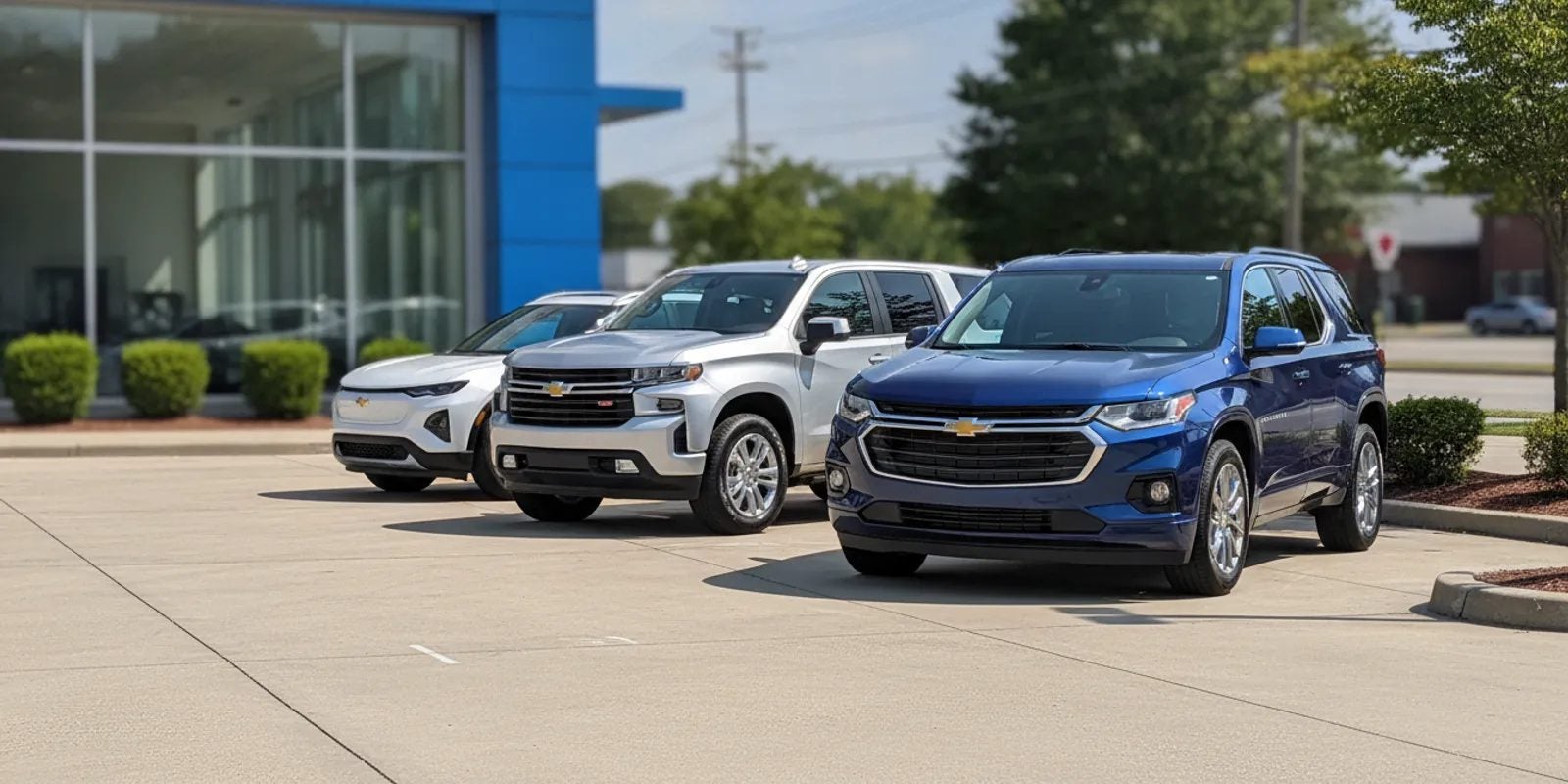
Finding new cars for sale in Port Chester, NY starts with a useful question: what does the vehicle need to do in your real week? Passenger space, cargo, parking, work demands, and the roads you use can all shape the right choice. H & L Chevrolet is one Chevrolet dealership at 1416 Post Road in Darien, Connecticut. Port Chester shoppers can review new Chevrolet vehicles and decide whether a visit to Darien makes sense for their comparison.
How do you turn a broad search into a clear plan?
A search for new cars can return a long mix of body styles, model years, trims, and features. Looking at everything with equal attention makes it harder to decide what matters. Start instead with a short description of the job your next vehicle must handle. Write down who rides with you, what you carry, where you park, and whether a specific work or recreation task affects your choice. That description becomes the standard for comparing each candidate.
Separate essentials from preferences. An essential is a requirement that would rule out a vehicle if it were not met: perhaps a particular seating arrangement, space for a regular item, or a specific capability for work. A preference is something you would enjoy but could live without. This distinction is useful when two models look appealing for different reasons. If one does not satisfy an essential, a long list of attractive extras may not make it the practical choice.
Then narrow the search by vehicle type. Chevrolet offers cars, SUVs, pickups, and electric vehicles, but not every type fits every routine, and model details vary. The purpose of this first step is not to select a particular trim from a screen. It is to decide which one or two categories deserve closer research. You can revise that shortlist after seeing a vehicle, asking questions, or taking a test drive.
Port Chester and Darien are separate communities in New York and Connecticut. H & L Chevrolet is located in Darien, not Port Chester. Consider the location when planning a visit, and check the dealership's hours and directions information before traveling. Confirm appointment details directly rather than assuming that a research page means a particular vehicle is ready to drive.
What details should you write down before comparing vehicles?
Useful research begins with details you can check. Instead of writing "roomy" or "good for trips," describe the situation: three adults ride together most weekdays, a stroller needs to fit behind the passenger area, or a work case has a known length and width. Concrete examples help you evaluate space in person. They also make it easier to explain your needs when you contact the dealership.
- Passenger pattern: Count how many people ride together on an ordinary day, and note whether adults regularly use the rear seats. Consider whether child seats, mobility equipment, or other specific seating needs affect the fit.
- Cargo pattern: List the largest things you carry and how often. Measure an item if its fit is important. A photograph of a cargo area cannot establish whether a particular object will fit as you need it to.
- Parking limits: Note the dimensions of a garage or parking space if they matter. Consider the places where you routinely park and whether vehicle height, length, or turning feel should be part of your evaluation.
- Driving routine: Divide your week into local trips, highway driving, longer journeys, and days with several stops. Write down the conditions that matter most to you rather than trying to predict every possible trip.
- Work tasks: If the vehicle supports a business, record the tools, materials, passengers, and typical load involved. Identify any capability or configuration that must be verified for the actual job.
- Powertrain: Decide whether you want to compare a conventional vehicle, an electric vehicle, or both. For an electric vehicle, note where it could be charged during a typical week.
- Features: Choose a few functions you expect to use often. Separate those from features you are curious about but have not yet decided you need.
Keep your notes open to revision. A vehicle may feel different in person than it looked online, and a test drive can reveal a preference you had not considered. Your notes are a decision aid, not a contract with yourself. Their purpose is to make the important tradeoffs visible and prevent attractive but less relevant details from taking over the comparison.
One shopper might begin with "small SUV" as a category but discover that rear-seat access and cargo opening matter more than the category label. Another might think a pickup is essential for occasional home projects, then realize that a specific bed configuration and load requirement-not the general idea of a truck-determines suitability. Writing down the practical need makes each conversation and visit more productive.
Which Chevrolet vehicle type could suit your routine?
Body style is a helpful first filter, but it does not tell the whole story. Two vehicles in the same broad category can differ in dimensions, equipment, seating, and capability. Use the comparison below to decide what to investigate, then confirm details for the exact model year and configuration that interests you.
| Vehicle type | Questions to ask yourself | Details to verify |
|---|---|---|
| Car | Do your everyday trips call primarily for passenger seating and the amount of storage you regularly use? | Specific model and year, seating and cargo information, available equipment, sightlines, and how it feels on your typical route. |
| SUV | Would a flexible passenger-and-cargo layout fit your household or recreation plans? | Seat arrangement, access to each row, usable cargo space with seats occupied, dimensions, visibility, and installed equipment. |
| Pickup | Do work or recreation tasks call for a truck bed, a particular cab, or a specified capability? | Exact cab and bed, applicable payload or towing ratings, equipment, and how passengers and cargo affect the intended load. |
| Electric vehicle | Can you plan charging around your home, workplace, and regular destinations? | Model-specific range information, charging equipment and compatibility, vehicle configuration, and a realistic charging routine. |
The table is a starting framework, not a claim that every listed type or configuration is currently available. Model pages describe vehicles; they do not confirm a particular vehicle's present status. Dimensions, equipment, and ratings can differ by year and configuration. Whenever a detail affects your decision, check it against the exact vehicle rather than transferring a general description from one version to another.
A household that carries several passengers most days may want to test entry, exit, and seating comfort before comparing optional features. A driver who parks in a tight space might give dimensions and visibility higher priority. A business owner may need a documented rating or specific configuration. These are different evaluation plans, even if each person begins with the same broad online search.
How can you make a fair comparison between candidates?
Use the same checklist for each vehicle. A side-by-side comparison is less useful if you remember the details of one model but only have a general impression of another. Record the model year, trim or configuration, and the source of any specification you rely on. Mark details as confirmed, still to check, or not relevant. That simple status field prevents an assumption from quietly becoming a fact in your notes.
You can arrange your worksheet in five groups: people and space, daily driving, work or recreation tasks, equipment, and ownership questions you need answered. Give each line a priority: essential, helpful, or optional. When you compare vehicles, write an observation next to the relevant line. "Rear seats felt easy to reach" is more useful than "nice interior." "The item fit with the second row in use" is more useful than "good cargo room."
A scoring system can help organize impressions, but it should not overrule a requirement. For example, a candidate that scores well on technology and appearance still may not fit a required item. Use a simple scale such as "fits," "needs checking," and "does not fit." If a vehicle fails an essential condition, keep that visible instead of letting several optional strengths obscure the issue.
Compare like with like whenever possible. A model year, trim, or installed package can change the features you are evaluating. If you are comparing two vehicles with different configurations, label that difference rather than implying that every version of the model shares the same equipment. If a capability rating is important, write down the exact rating and configuration it applies to, and ask how it relates to your intended use.
Consider a household choosing between a car and an SUV. The car may meet the passenger count and be comfortable on the daily route, while the SUV may provide a seating or cargo arrangement the household values. The useful question is not which category is universally better. It is whether the specific vehicles fit the household's measured space needs, parking situation, regular passengers, and preferred driving feel. The result may be a clear preference-or a request to inspect both.
For another example, imagine a driver who usually travels alone but carries bulky equipment on two days each week. A list of average daily needs could understate the cargo requirement; a list based only on the busiest day could overstate it. Record both patterns. Then decide whether the vehicle needs to accommodate the larger load routinely, whether the cargo can be arranged differently, or whether a different vehicle type merits consideration. That is a practical question to resolve by checking dimensions and fit, not by guessing from a photograph.
What should pickup shoppers verify for work or recreation?
For a pickup, begin with the job rather than a headline capability. Write down what you expect to carry or tow, how often, and the relevant details of the load or trailer. Include passengers, tools, accessories, and other cargo in the picture. Then identify the truck configuration that you need to evaluate. A model name alone does not tell you the rating for every cab, bed, powertrain, or equipment combination.
Ask for the information that applies to the exact vehicle under consideration. Payload and towing are different measures, and a number associated with one configuration should not be assumed to apply to another. Installed equipment and the actual load can matter. If your work requires a particular capability, ask how the documented rating for that specific build relates to your task. Do not rely on a general model description to settle a work requirement.
Next, consider how the truck works when it is not performing its biggest task. Check the cab for regular passengers, the bed for the items you carry most often, and overall dimensions for common parking locations. If access to a work site or storage area is important, describe the constraint and verify that the configuration fits. A truck that meets one occasional requirement but is awkward for the regular routine may involve a tradeoff worth discussing.
Make a work-use checklist before you ask about equipment. It can include the kind of cargo, approximate dimensions, expected passenger count, required bed or cab arrangement, and any rating that must be confirmed. Be clear about which items are mandatory and which are preferences. This helps direct the conversation toward relevant configurations, without implying that a requested build is currently on hand or can be supplied by a particular date.
H & L Chevrolet has a commercial Chevrolet vehicle page for shoppers considering trucks and vans. Use it as a starting point for an inquiry, not as proof of a specific vehicle's availability or of a particular upfit. Explain the work application and ask which details can be confirmed for a vehicle you are considering.
A practical comparison might involve two pickups with different cab and bed arrangements. Instead of treating one as the clear winner from a model label, ask: where will the regular passengers sit; how will the work cargo be loaded and secured; which exact ratings apply; and will the truck fit the usual parking or job-site conditions? Write down each answer and its source. If a key answer is missing, leave the item marked "needs checking" until it is confirmed.
What should electric-vehicle shoppers plan in advance?
Electric-vehicle shopping adds a charging plan to the familiar questions about seating, cargo, comfort, and equipment. Start by identifying where the vehicle is normally parked for several hours and what charging access is available there. If you expect to charge at home, find out what equipment and installation considerations apply to your situation. If home charging is not available, identify realistic alternatives and consider whether those options fit your schedule.
Sketch an ordinary week. List regular destinations, approximate distances, where the vehicle sits between trips, and any longer journey you make periodically. Compare that pattern with the model-specific information for the vehicle you are considering. Avoid using a broad statement about electric vehicles to answer a question about a particular Chevrolet model, year, or configuration. Ask which charging equipment is included, what additional equipment might be needed, and where to find instructions that match the exact vehicle.
Charging compatibility and charging speed are worth treating as separate questions. Compatibility asks whether the vehicle and the charging equipment can work together; speed depends on the particular equipment and conditions. A general charging explanation may help you learn the vocabulary, but a decision should be based on the relevant vehicle and charging setup. Write down the connector, equipment, and installation questions you need answered rather than assuming that every charging location will meet your needs.
For a longer trip, consider where you would pause, how you would check charging availability, and whether the timing works for your travel plan. This is a planning exercise, not a guarantee about a route or a public charging location. If long trips are frequent, give them appropriate weight in your evaluation instead of looking only at the distance of a routine commute. If they are rare, note that too; your everyday pattern may deserve more weight.
H & L Chevrolet offers model information for the Chevrolet Equinox EV. Review the specific model details, then confirm the vehicle, configuration, charging information, and current availability directly. A model research page can help you frame questions; it does not establish that a particular vehicle is on the lot or that a given charging setup is right for your home.
Bring your charging questions to a vehicle discussion in a short list: where you expect to charge, what equipment you already have, how much you drive in a normal week, and which longer trips matter. Ask for model-specific information and keep unanswered items visible. This makes it easier to compare an EV with another candidate on the same practical criteria, rather than letting an unfamiliar powertrain make the decision feel more abstract than it needs to be.
How do you check new-vehicle listings carefully?
Once you have a short list, use the new Chevrolet inventory search to look for listings that match your interests. Pay attention to model year, trim, configuration, and the details displayed for each specific listing. If a result seems close, note what you still need to verify. An inventory page can change, and a search result is a starting point for current confirmation-not a promise that the vehicle will remain available.
Model research and inventory serve different purposes. Model research can introduce features and configurations; an inventory listing concerns a specific vehicle at a particular time. Neither should be treated as a substitute for confirming the details that affect your decision. If a general model page is the only source for a capability or feature, ask where you can verify it for the exact build you plan to see.
When you make an inquiry, use precise identifiers where possible. State the model and model year, the trim or configuration, and the questions you need answered. If you are flexible, say which alternatives you would consider. If you are not flexible on a particular feature or capability, say that plainly. This can reduce the chance of talking past one another when similar model names or packages are involved.
If your preferred vehicle does not appear in the listings, ask what options the dealership can discuss. Do not assume that a specific configuration can be located, ordered, or delivered by a particular date; confirm what is possible directly. If you are considering a vehicle that is listed, confirm whether it is still available and whether it is the same configuration described on the page before planning a trip around it.
Keep price and offer questions current and specific. Do not rely on an old page, a general model overview, or an undated online reference as a current quote. Ask for the details that apply to the particular vehicle and clarify any eligibility or terms that matter to you. No price, rebate, financing condition, or offer should be inferred from a model description. This article does not list current prices or offers.
A concise inquiry might say: "I am comparing a new Chevrolet SUV for four regular passengers. I would like to confirm the model year, seating configuration, cargo measurements, and whether the listed vehicle is available to view. I am also considering an electric option, so please let me know which vehicle details and charging information are available." You can adapt that structure to a car, pickup, or commercial vehicle. The useful parts are the specific needs and the questions that require a current answer.
How can you prepare for a useful test drive?
Arrange the visit in advance and confirm which vehicle you expect to drive. A model name alone may not identify the exact configuration, and a general request does not confirm that a vehicle is reserved or ready. Ask about the dealership's process when you book, and check the current location information before leaving Port Chester for Darien. Bring your comparison notes so that the drive answers questions rather than becoming an unstructured first impression.
Bring anything that will help you evaluate fit, when practical. That could mean a child seat, a measurement of equipment you carry, or a written list of regular passengers and cargo. Do not bring an item if it is unsafe or impractical to handle during a visit. The goal is to test the real constraint sensibly: check seating access, compare dimensions, or ask how a feature works.
- Set up before moving. Adjust the seat, steering wheel, and mirrors. Check whether you can find a comfortable position and reach the controls you expect to use. If another household member will drive regularly, that person should assess fit too.
- Notice visibility. Look through the windshield and side windows, use the mirrors, and pay attention to how the vehicle's size feels in turns. Consider whether parking and low-speed maneuvering raise questions you should explore further.
- Use a relevant route when possible. Ask whether the planned drive can include conditions that help you evaluate the vehicle, subject to the dealership's arrangements. Notice steering, braking, acceleration, cabin comfort, and how the vehicle feels on the road.
- Check passenger access. Try the seating positions you expect to use. Notice entry and exit, legroom for regular passengers, and whether child-seat placement or other needs affect the arrangement.
- Evaluate cargo access. Open the relevant storage area and consider how you load your regular items. A cargo measurement or representative item can help answer a specific question, but verify the fit in the exact configuration.
- Explore the controls. Try the features that matter to you and ask about anything unfamiliar. Distinguish between a control you can use comfortably and one you have not yet learned.
- Write down findings immediately. Record what felt right, what did not, and what still needs verification. Note the exact vehicle and configuration so you do not confuse observations from separate drives.
A test drive reveals how a vehicle feels and functions for you; it does not answer every specification or availability question. For a pickup, confirm the exact configuration and its applicable ratings separately. For an EV, ask about the vehicle's charging equipment and model-specific information. For any vehicle, check details you could not establish during the drive before treating them as settled.
After the drive, take a few minutes to compare your notes with the original needs list. If a candidate feels comfortable but has an unanswered cargo question, keep that question open rather than deciding from comfort alone. If a model surprised you in a good way, record what made the difference. A second drive or a direct comparison may be useful if two candidates remain close and the unresolved issue affects everyday use.
What should families and individual drivers compare in person?
Passenger space is about access and use, not simply a published seat count. Sit in the positions that matter and check how easy it is to get in and out. If adults will use the rear seats, have them try the seating position. If child seats are part of your routine, bring one if practical and follow the relevant instructions for its installation. The important question is whether the actual arrangement works for the people who will use it.
Cargo needs can also change with passengers aboard. Check the storage area with the seats in the position you normally use. Think about the things you carry together, not just one item at a time. A family may need room for bags and sports equipment on the same trip; a solo driver may need a clear load path for a work case. If the space seems close, measure the item and vehicle area or ask for the relevant dimensions.
For a driver who usually travels alone, the evaluation may focus more on visibility, control layout, storage, and ease of parking. Do not discount comfort simply because a trip is short: repeated daily use can make seating position and control access important. At the same time, do not assume that a feature is essential because it appears prominently in a description. Try the functions that would genuinely affect your routine.
For a household with more than one driver, have each regular driver assess the vehicle where possible. People can differ in seating position, visibility, and comfort preferences. Record those differences rather than reducing them to one vague score. If each person needs a different compromise, decide together which requirements are essential and which are negotiable before narrowing the selection.
Take note of practical details that may be easy to overlook in a short visit: where everyday items can be stored, whether loading is comfortable, how the doors open in the spaces you use, and whether you can understand the controls. These points do not replace specifications, but they help translate a vehicle's layout into the experience of using it. Ask for clarification rather than guessing at a control or assuming an untested feature works a certain way.
How should businesses compare new trucks and vans?
A business vehicle needs a more explicit requirements list than a personal vehicle because a mismatch can affect the work it is meant to support. Begin with the tasks: what materials or equipment travel, how many people ride, how often the vehicle is loaded, and whether it must meet a particular rating or fit a work location. Describe a typical day as well as the busiest routine. That gives you a more realistic basis for comparing truck and van configurations.
Separate required specifications from conveniences. A required capability should be backed by information for the exact vehicle configuration. A convenience-such as a particular storage arrangement or feature-can be weighed against how often it will be used. If the job calls for an upfit or accessory, ask who supplies it, whether it is compatible with the vehicle, and whether it affects the capacity or ratings you need to check. Do not assume that any requested addition is included.
Build a simple work-use profile before contacting the dealership. Include the kind of business task, usual and maximum load, regular passenger count, approximate cargo dimensions, cab or bed preference, and the location constraints that matter. If your work has a written specification, refer to it rather than relying on memory. You do not have to disclose confidential business information to explain a vehicle requirement; state the operational details needed to evaluate fit.
Compare a van and a pickup by asking what each must make easy. A van may be worth examining when enclosed cargo and access are central to the task; a pickup may deserve attention when a bed or a specific truck configuration is part of the job. These are prompts for comparison, not blanket claims about every vehicle in either category. Confirm dimensions, capacity, equipment, and the actual configuration before drawing a conclusion.
Think beyond the single largest load. How often does it occur? What equipment remains in the vehicle? How many people travel together? Where will it be parked at the end of the day? A configuration that handles a rare peak but makes ordinary routes difficult may not be the best operational fit. Conversely, a work requirement that occurs only occasionally may still be essential. The business should decide how to weigh those tradeoffs based on its own tasks.
When you speak with H & L Chevrolet about a work vehicle, explain the application and ask which details can be confirmed for the specific vehicle. The commercial vehicle information page can be a starting point. It does not confirm live inventory, a specific upfit, or a particular delivery schedule. Ask directly what the next step is for the configuration you need, and keep any unconfirmed requirement on your worksheet.
How can you keep the final comparison organized?
Make one page for each vehicle and place the same headings on every page. At the top, record the model year, trim or configuration, and where you found the listing. Then include passenger fit, cargo fit, parking and driving impressions, important equipment, and questions still to confirm. A shared format makes it easier to compare details after several visits or conversations.
- Does the exact vehicle meet each essential passenger and cargo requirement?
- Do its dimensions and visibility suit the spaces and routes that matter to you?
- Are the model year, configuration, equipment, and relevant specifications confirmed?
- For a work vehicle, do the documented ratings and configuration match the task?
- For an electric vehicle, have you mapped a realistic charging routine and checked relevant vehicle details?
- What did each driver notice during the test drive?
- Which important questions are still open, and who can confirm them?
- Does the vehicle's current listing describe the exact candidate you want to evaluate?
Use three labels-"fits," "needs checking," and "does not fit"-rather than trying to make every impression a precise score. If a vehicle has an open question about an essential requirement, it is not yet a confirmed match. If two vehicles meet the essentials, compare the preferences that will shape regular use. This keeps the decision focused on the things that actually distinguish the candidates.
It can help to review the worksheet with another person who will regularly use the vehicle. Ask that person to identify the two or three details that matter most, then compare those with your own. If priorities conflict, discuss the tradeoff directly. One driver may value a particular seating arrangement while another places more weight on parking confidence. A clear discussion is more useful than a single combined score that hides the disagreement.
Keep source notes beside specifications. Write whether a detail came from a vehicle listing, a model page, a document tied to the particular configuration, or a conversation that still needs confirmation. This distinction is important for ratings, equipment, availability, and any current price or offer terms. When a number or detail is important, confirm it before relying on it. The goal is a decision based on the exact vehicle rather than a general impression of a model family.
What questions should you ask before choosing?
Good questions have specific answers. Ask which model year and configuration you are looking at, what equipment is included, and whether the information you have applies to that particular vehicle. If a rating matters, ask for the source associated with the exact build. If you are considering an EV, ask for the model-specific charging and equipment information you need to plan realistically. If you have a work requirement, describe the task and ask which specification addresses it.
Ask about current listing status before setting out. Confirm that the vehicle you want to see is the one described and ask what appointment arrangements are available. A test-drive request is a request to arrange a drive; do not treat it as confirmation until the dealership confirms the details. If you cannot find the configuration you want, ask what alternatives or next steps can be discussed without assuming that a particular vehicle can be supplied.
For current financial details, ask about the particular vehicle and the terms that apply to your situation. Read any offer conditions carefully and confirm eligibility rather than assuming that a displayed amount applies to everyone. This guide does not state a current price, rebate, financing rate, or payment. Keeping those questions tied to current, vehicle-specific information helps avoid relying on an old advertisement or an incomplete summary.
You can use the dealership's contact page to send questions, or review the Silverado 1500 model information if a new pickup is on your list. Model research is useful for preparing questions, but confirm the exact configuration and current listing details directly. If you have narrowed your search to two candidates, name both and say what you need to compare; that is clearer than asking for general guidance without context.
How can Port Chester shoppers plan a visit to Darien?
Before traveling, check the location and directions information, confirm the vehicle or models you hope to see, and ask about appointment arrangements. The dealership is at 1416 Post Road in Darien, Connecticut; it is not a Port Chester location. Plan the trip using current directions and allow yourself time to evaluate the vehicle without rushing. Do not rely on an old saved route or assume that an online search result means the vehicle remains available.
If you are still deciding whether to visit, organize your questions first. A short conversation can establish whether the right model information is available and what details still need checking. If you have a specific test drive in mind, provide the model and configuration where known. If you are flexible, say what alternatives may work. Clear expectations help make the next step more useful without creating assumptions about inventory or appointment confirmation.
Use the visit to answer the questions that online research cannot settle for you: how the seating feels, whether the cargo space works for your things, whether the controls make sense, and how the vehicle behaves on a suitable test-drive route. If a question requires a specification or current listing check, record it and confirm it separately. Not every answer has to come from the drive itself.
Afterward, compare your findings with the original use case. If a vehicle fits the essential needs, note which preferences it also meets and what remains uncertain. If it does not fit, record why; that information can help refine the next search. A deliberate process can save time because each new candidate is measured against the same needs rather than against a changing set of impressions.
Frequently asked questions
Is H & L Chevrolet located in Port Chester?
No. H & L Chevrolet is one Chevrolet dealership at 1416 Post Road in Darien, Connecticut. Port Chester shoppers should plan for the correct location and confirm directions and any appointment details before traveling.
Does a model page confirm that a vehicle is available?
No. A model page provides research information; it does not establish the current status of a specific vehicle. Check the new inventory listings and confirm the exact vehicle and configuration directly with the dealership.
What should I bring to a test drive?
Bring your comparison notes and the questions you still need answered. If fit is important, consider bringing a child seat or measurements of regular cargo when practical. Arrange the visit and confirm which vehicle you expect to drive.
What is the most important first step when comparing vehicles?
Write down the job the vehicle must do: regular passengers, cargo, driving routine, parking limits, and any work or charging needs. Separate requirements from preferences, then compare specific models and configurations against that list.
How should business buyers evaluate a truck or van?
Describe the actual work, passengers, cargo, and required capability. Confirm the relevant specifications for the exact configuration and ask about any equipment or upfit needed. Do not assume a general model description proves that a particular build fits the job.
For Port Chester shoppers, a clear list of needs, verified vehicle details, and a well-planned test drive can make the search more manageable. Contact H & L Chevrolet in Darien to discuss the Chevrolet models and next steps that fit your comparison.