



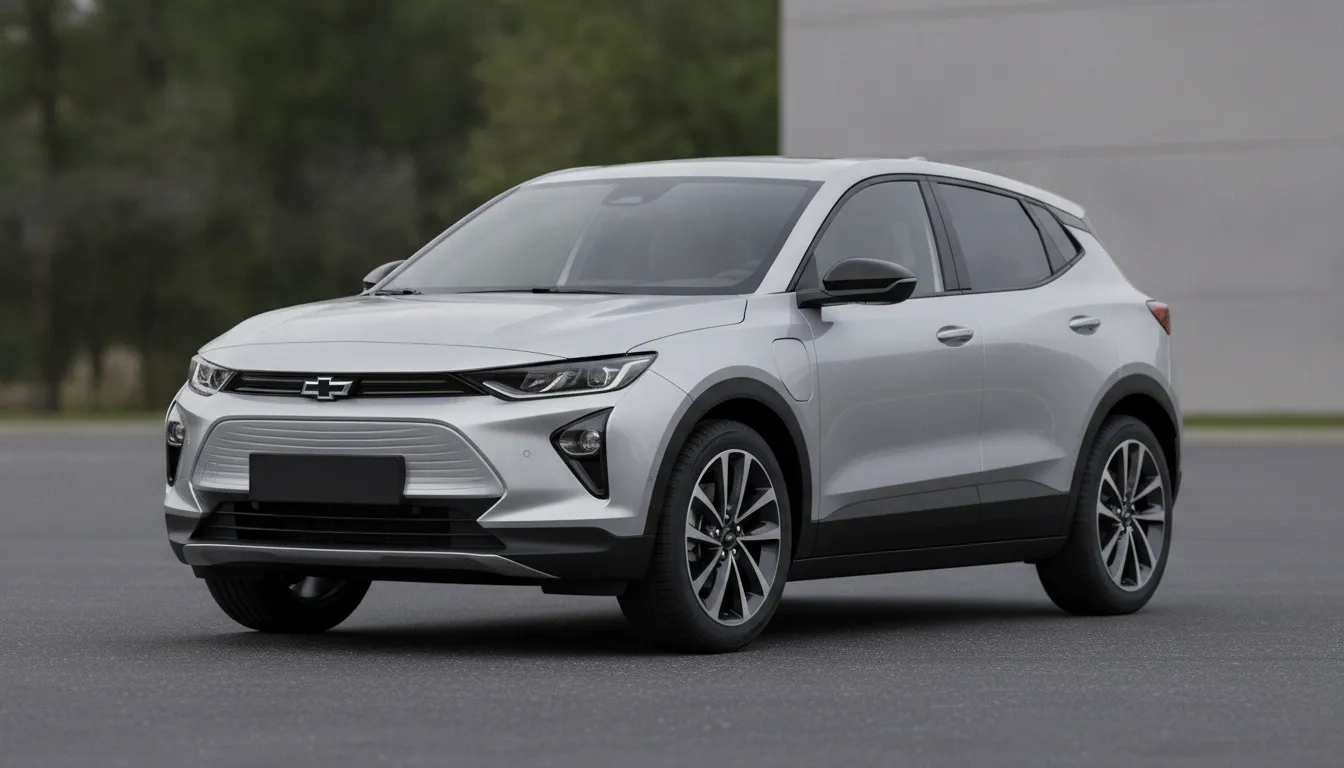
How much does it cost to charge an electric vehicle? For a new Chevrolet, start with the model you would actually drive. A national average hides the choice in front of you. At H & L Chevrolet on Post Road in Darien, the 2026 Equinox EV page lists an EPA-estimated 319 miles of range with front-wheel drive. All-wheel drive is listed at 307 miles. The EPA rates that FWD model at 31 kWh per 100 miles and the AWD model at 33 kWh per 100 miles. Those figures let you compare energy use before you talk price.
Call (203) 655-2551 to book a test drive of a new Chevrolet EV.
How Much Does It Cost to Charge an Electric Vehicle Like the Equinox EV?
A charging bill is the energy you add times the price of that energy, plus any separate session fee the charger adds. The vehicle side of that math is public, while the rate side is not a dealer number and changes with your utility, the time of day, and the charger you use. A model page is also not a promise that one specific SUV is sitting on the lot today.
H & L Chevrolet is one Chevrolet store at 1416 Post Road, Darien, CT 06820. Shoppers come from Stamford, Norwalk, Greenwich, Westport, Fairfield, New Canaan, and nearby Westchester County. The team compares new Chevrolet cars, trucks, SUVs, and EVs, then follows up when you call or send a form. Call or send a test-drive request and the team will confirm which new Equinox EV can be driven.
Use the Equinox EV as the worked example, because both drive types are published for the 2026 model year. If you are also cross-shopping a Blazer EV, read the separate Blazer EV range and charging guide for that model's own label. This page stays on energy use and on what those figures mean for a charging-cost estimate.
Shoppers ask this cost question because the monthly energy bill is part of choosing a new SUV, not a homework assignment after delivery. You do not need a home charger picked out before a test drive. You do need the right energy figure for the drive type you are considering, so a later quote is not built on the wrong SUV.
What the 2026 Equinox EV Uses Per Mile
The EPA lists the 2026 Equinox EV with front-wheel drive at 31 kilowatt-hours per 100 miles, and the label's total range is 319 miles. You can read that FWD row on the official EPA listing for the 2026 Equinox EV FWD. The all-wheel-drive model with the 11 kW charger is listed at 33 kWh per 100 miles, with a total range of 307 miles, on the matching EPA listing for the AWD model. Chevrolet and the H & L model page use the same 319 and 307 mile figures, and both note that real range varies with temperature, terrain, battery condition, load, and how you drive.
EPA also lists a 240-volt charge time of 9.5 hours for both of those 2026 configurations. That is a full-charge lab figure, not a promise for a short top-up at home. The dealer page says an available Level 2 charger needs professional installation. Actual charge time depends on the battery's starting charge, charger output, vehicle settings, and outside temperature.
| Drive type. | Energy use. | Total range. | Time on 240 volt power. |
|---|---|---|---|
| Front-wheel drive. | 31 kWh per 100 miles. | 319 miles. | 9.5 hours. |
| All-wheel drive. | 33 kWh per 100 miles. | 307 miles. | 9.5 hours. |
The shopping takeaway: over 100 miles, all-wheel drive is rated to use about 2 kWh more than front-wheel drive. Over 1,000 miles, that gap is about 20 kWh. You can price the gap with your own rate, but neither row is a forecast of your future bill.
Read the window sticker on the exact SUV, not a different model year. A 2025 or 2027 Equinox EV can carry another range number. This comparison uses only the 2026 FWD label and the 2026 AWD label with the 11 kW charger. If a vehicle on the lot is a different year, ask the sales team to pull that sticker before you reuse these rows.
Front-wheel drive is the efficiency pick on these labels, while all-wheel drive is the traction pick and uses a little more energy per mile on the EPA test. Winter roads between Darien and Ridgefield, or a commute that climbs toward Wilton and New Canaan, are reasons some shoppers still prefer all-wheel drive. The label will not make that choice for you, because it only prices the energy difference.
A Local Energy Example, Not a Quote
The U.S. Energy Information Administration, in Electric Power Monthly Table 5.6.A released on October 23, 2026, reported Connecticut's average residential price at 24.51 cents per kWh for August 2026. That figure is a statewide average for homes, not your own utility bill and not a public-charger price.
The steps below use that published statewide average only to show the scale of the FWD and AWD gap.
- Take the EPA figure for the drive type you are comparing: front-wheel drive is 31 kWh per 100 miles, and all-wheel drive is 33.
- Multiply by the miles you expect, then divide by 100. At 1,000 miles, front-wheel drive is 310 kWh and all-wheel drive is 330 kWh.
- Multiply those kilowatt-hours by a rate you choose. At 24.51 cents, the energy portion is about $76 for front-wheel drive and about $81 for all-wheel drive.
- Add any fee that is not already inside the per-kWh rate, because a session fee or a parking charge can matter more than the two-kWh gap.
That five-dollar gap over 1,000 miles is an illustration. Your rate may be lower on an off-peak plan or higher at a public fast charger. The EIA figure is already months old by the time you read this. Pull the current rate from your own bill before you budget.
Keep the annual miles honest as well. A 12,000-mile year is about 1,000 miles a month, which is about 310 kWh on the front-wheel-drive example and about 330 kWh on the all-wheel-drive example before any fees. Multiply by the rate on your own bill rather than by a number from a national advertisement. If you drive closer to 8,000 miles a year, scale both figures down by the same share so the comparison stays fair.
Public charging can erase that small vehicle gap, because a fast-charger price well above a home rate will dwarf the 2 kWh difference between these two Equinox EV labels. Put the mix of home and public sessions in the same note as the drive type, and change only one input at a time. Otherwise you cannot tell whether the bill moved because of all-wheel drive or because of the charger you used.
Do not read a model-page starting price as an out-the-door number. The manufacturer price excludes tax, title, license, dealer fees, and options, and the dealer sets the final price. Any price we show a shopper includes the $799 dealer conveyance fee, with one figure that includes rebates and one that does not. Ask for both figures on a quote request.
What Changes the Cost Besides the Vehicle
Home charging and public charging are different products. A home session is mostly your utility rate, while a public session can add an idle fee, a session fee, or a higher price per kilowatt-hour. The Equinox EV page points shoppers to more than 250,000 public chargers in the myChevrolet app, including Tesla Superchargers where a GM-approved adapter and in-app setup apply. Access and price still depend on the network you actually use.
Weather and speed move the energy number before the rate does. A cold cabin, highway speeds, a roof load, or a full passenger cabin can use more energy than the EPA combined figure. The label is only a comparison of front-wheel drive and all-wheel drive, not a forecast of a Post Road commute or a summer trip toward Fairfield and Bridgeport.
Charge level changes the clock, not the basic energy math. The EPA 9.5-hour figure is a 240-volt full charge for those 2026 rows, a standard wall outlet is slower, and a DC fast charger is faster and usually priced apart from a home rate. This page cannot spec a home charger, a panel upgrade, or a utility plan, because those are questions for an electrician and your power company.
A test drive is the place to feel how the SUV slows and how the cabin is prepared before you leave the lot. Those driving choices do not change the EPA row you use for a first comparison. They do change how the vehicle feels in stop-and-go traffic on the Boston Post Road. Ask to try both drive types if both are available that day.
Heating or cooling the cabin while the SUV is still plugged in draws energy from the outlet instead of the pack. That can leave more of the labeled range for the drive. It does not change the 31 or 33 kWh comparison between FWD and AWD. Ask on the test drive how the vehicle you are considering handles a cabin that was warmed or cooled before you start.
How FWD and AWD Compare for Darien Drivers
Bring the same driving week to both configurations. A Stamford or Norwalk commute will not match the EPA combined cycle. Neither will a Saturday trip toward Westchester or a winter cabin load. Ask to see the window label for the exact vehicle. Then match front-wheel drive or all-wheel drive to the row above.
Shoppers often arrive with a payment question and a charging question in the same visit, and the two should stay separate. The energy math above is not a lease payment, a rebate, or a monthly quote, and financing is a different conversation. Any payment we discuss should show a price with rebates and a price without them, each including the conveyance fee. Charging cost sits with the utility and the charging network, and it continues after you take delivery.
On a test drive, notice three things that affect energy use more than a brochure can.
- How the SUV slows in Darien traffic, since that feel changes how often you add energy later.
- Whether you would charge mostly at home or mostly on public plugs along I-95 and the Merritt.
- How much cargo and passenger load you carry. The range note calls out loading on purpose.
The 2026 Equinox EV page at H & L lists seating for up to five and up to 57.2 cubic feet of cargo space. Cargo and load capacity are limited by weight and distribution. The same page lists a 17.7-inch diagonal center screen. The page says that screen is the largest among EVs in its class, based on the latest competitive data. Those details are shopping facts rather than cost inputs, and they help you decide whether this SUV is the one to price before you look at a Blazer EV or another new Chevrolet.
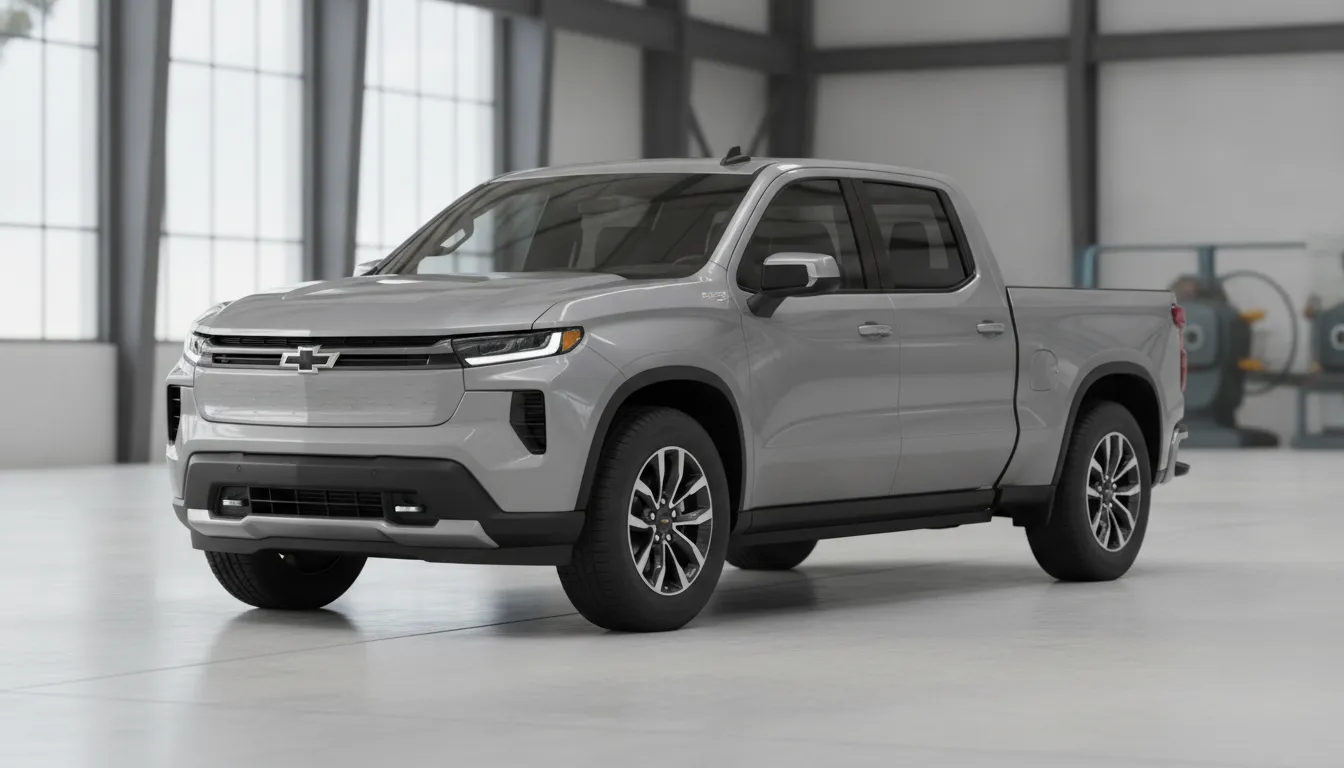
New Chevrolet EVs on the Darien site also include the Blazer EV and the Silverado EV, and each model carries its own range label. Do not copy the Equinox figures of 31 or 33 kWh per 100 miles onto those vehicles. A truck that tows, or a different SUV, can use more energy per mile, so compare the labels side by side and then decide which new Chevrolet fits the miles you drive.
The Blazer EV carries its own EPA range on its own page. That is a different SUV with a different label. Use the Blazer guide for those figures, not as a substitute for the Equinox rows in the table above. If you want both SUVs in one visit, say so when you book. The team can pull the two window stickers before you arrive.
A model page is a snapshot rather than a promise of what you can drive. Search current electric vehicles in Darien, then confirm the VIN, the drive type, and the window sticker with the sales team. You can also start from the 2026 Equinox EV page and ask which vehicles can be driven this week.
H & L Chevrolet helps local drivers compare new Chevrolet models and the options on them. The store sits on Post Road, so a test loop can cover the same stop-and-go traffic many Fairfield County commuters see. Raymond Terribile, the general manager, is the usual follow-up on a lead that comes in by phone or from the website. Call ahead so the SUV you want is pulled up, and bring the commute you actually drive.
Call (203) 655-2551 or book a test drive before you compare FWD and AWD in person.
Frequently Asked Questions
Does H & L Chevrolet publish a current charging price?
No. The store does not set your home electric rate or a public charger's session fee. We can show the EPA energy-use and range figures for the new Equinox EV you are comparing. You apply your own rate to those figures.
Which Equinox EV uses less energy, FWD or AWD?
For 2026, EPA rates front-wheel drive at 31 kWh per 100 miles. The AWD model with the 11 kW charger is rated at 33 kWh per 100 miles. Range is 319 miles for FWD and 307 miles for AWD. Real use can differ from both labels.
Is the 9.5-hour charge time what I should expect at home?
That figure is the EPA 240-volt full-charge time for those two 2026 configurations. A partial charge is shorter. A different charger, a cold battery, or a low starting charge can change the clock. A Level 2 install is a separate project for a qualified electrician.
Can I see an Equinox EV at the Darien store?
Yes. H & L Chevrolet sells new Chevrolet EVs, including the Equinox EV, at 1416 Post Road. Call or send a test-drive request and the team will confirm what is available to drive. A model-page range number is not the same thing as a vehicle staged for a drive today.
Where should I look for Blazer EV charging details?
Use the Blazer EV range and charging article for that model. This page does not repeat Blazer labels, trims, or hardware. If you want both SUVs priced, ask the sales team to pull each window label before the drive.