





If you’ve ever wondered what actually makes your vehicle stop when you hit the brakes, we’re here to help drivers in Darien, Conn. Understand how they work. The brake system is one of the most important safety systems on any vehicle, and understanding the different components can help you spot problems before they become serious. Here’s an FAQ to help you better understand how your brakes work.
What Are the Main Components of a Brake System?
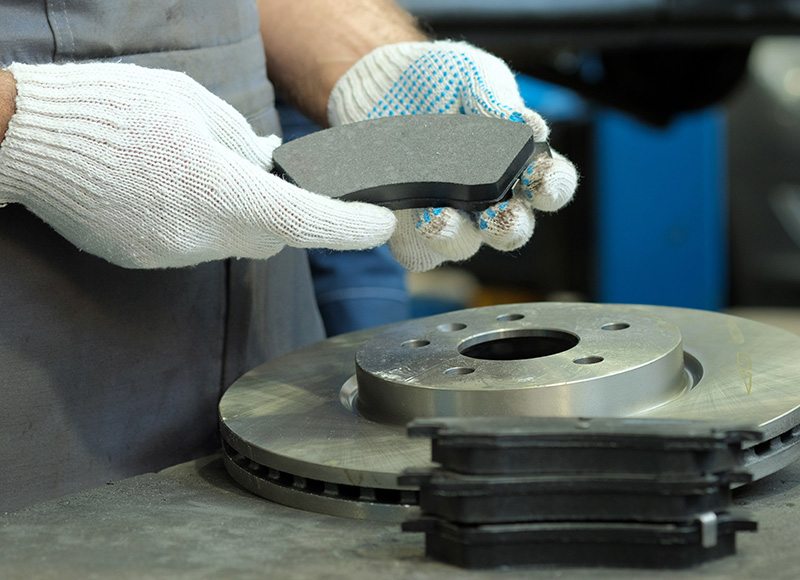
Your brakes are made up of several key parts that work together every time you slow down or stop. The most common setup is a disc brake system, which uses a rotor, caliper, and pads. The rotor is a metal disc that spins along with the wheel. The caliper squeezes the brake pads against the rotor to create the friction needed to slow the vehicle. Some vehicles also use drum brakes on the rear axle, which work differently but serve the same purpose.
What Controls the Brakes?
Several components manage how braking force is generated and distributed. When you press the brake pedal, it activates the master cylinder, which pressurizes brake fluid and sends that pressure through brake lines to each wheel. Many vehicles also include a brake booster, which uses engine vacuum to amplify the force of your foot on the pedal, making it easier to stop. The anti-lock braking system, or ABS, is another critical control component – it prevents wheel lockup during hard stops by rapidly modulating brake pressure.
What Is Brake Fluid and Why is it Important?
Brake fluid is the hydraulic fluid that transfers the force you apply at the pedal to the brake components at each wheel. Over time, brake fluid absorbs moisture from the air, which lowers its boiling point and can reduce braking performance. This is a common FAQ topic, and the short answer is: yes, brake fluid should be checked and replaced according to your vehicle’s maintenance schedule.
What Are the Signs of Failing Brakes?
Knowing when your brakes may need attention is just as important as understanding what brakes are made of. Here are the most common warning signs to watch for.
- A high-pitched squealing noise when you apply the brakes is often the first indicator. Most brake pads include a metal wear indicator that produces this sound intentionally to alert you that the pads are getting thin. If you hear a grinding noise instead, the pads may already be worn through, and the metal caliper could be contacting the rotor – that’s a more urgent situation.
- Vibration or pulsation through the brake pedal or steering wheel during braking can indicate warped rotors. A soft or spongy pedal feel suggests there may be air in the brake lines or a problem with the master cylinder. If your vehicle pulls to one side when braking, a sticking caliper or uneven pad wear could be the cause.
- A brakes warning light appearing on your dashboard is another signal that something in the system needs attention. This could be related to low brake fluid, worn pads, or an ABS fault. You should never ignore this light.
How Often Should Brakes Be Inspected?
Wear and tear of your brakes depends on your driving habits, the terrain you cover, and the type of vehicle you drive. A general guideline is to have your brakes inspected at least once a year or during every other tire rotation. If you notice any of the warning signs above, don’t wait – schedule a service appointment as soon as possible.
Visit H & L Chevrolet for Brake Service
Understanding how your brakes work is the first step toward staying safe on the road. Whether you have a simple question or need a full inspection of your brakes, the certified service team at H & L Chevrolet is ready to help. Serving customers throughout Darien, CT, we use quality parts and skilled technicians to keep your vehicle stopping confidently. Stop by or schedule your appointment today.

