



Blog

Auto Repair in Norwalk, CT: What Drivers Should Ask Before Booking

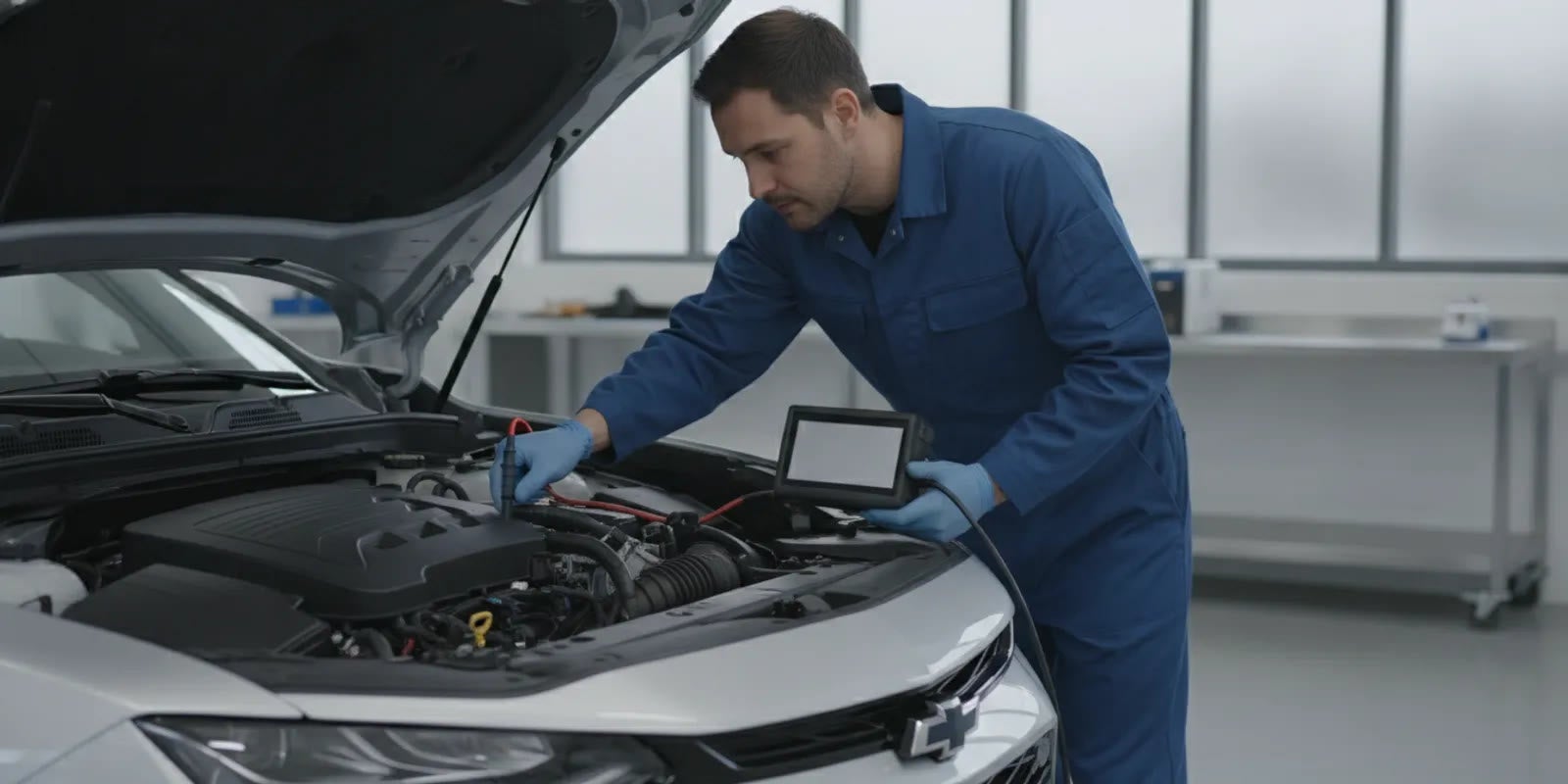
Technician inspecting a vehicle in a clean automotive service bay

Finding auto repair in Norwalk, CT starts with more than locating a nearby shop. You need to explain what the vehicle is doing, understand what the technician recommends, and know what you are approving before work begins. A little preparation can make that conversation clearer whether the concern is a warning light, a new noise, a routine maintenance item or a change in how the vehicle drives.

Contact the service team

What should you do first when a vehicle needs repair?

Start by deciding whether the vehicle seems safe to drive. A warning light or unfamiliar sound does not always mean the same thing, and a remote description cannot establish the cause. If you see smoke, smell fuel or burning, notice a major fluid leak, lose braking or steering ability, or the vehicle behaves in a way that feels immediately unsafe, stop in a safe place and seek appropriate roadside or emergency assistance rather than continuing the trip to a shop.

For a concern that does not appear urgent, write down what happened and when. Note whether it started suddenly or gradually, whether it occurs at startup or while moving, and whether it changes with speed, braking, turning or temperature. These observations give the service advisor a useful starting point. They are not a diagnosis, so avoid replacing a component based only on a guess or a discussion online.

Gather the vehicle's make, model, model year and approximate mileage if available. If the concern involves an intermittent warning, a photo of the dashboard may help preserve what you saw, but do not take pictures while driving. Keep any recent repair or maintenance paperwork close at hand. If another shop has already inspected the vehicle, bring the written findings rather than relying on memory.

Then decide what you want from the first conversation: to ask whether the shop can inspect the vehicle, request an appointment, explain a symptom, or discuss an estimate already in hand. Those are distinct requests. Being specific helps the dealership direct your question without implying that an appointment or repair has been confirmed.

How can you describe the symptom clearly?

Use ordinary language and report what you observed, not what you think failed. “There is a rhythmic sound from the front when I brake” gives a technician more to investigate than “I need new brakes.” Likewise, “the check-engine light came on yesterday and the engine felt rough at idle” is more useful than asking for a specific part replacement. A symptom can have several possible causes, and an inspection is needed to determine which applies.

Try to capture five details:

  • When it happens: at startup, after the vehicle warms up, while braking, during a turn, or at a particular point in a trip.
  • What it feels or sounds like: a vibration, pull, click, scrape, hesitation, odor, fluid spot or warning indicator.
  • How often it happens: every time, occasionally, or only under a specific condition.
  • What changed: whether the concern followed a recent repair, tire change, impact, long drive or other event you know about.
  • What you have already tried: for example, whether restarting the vehicle changed the warning. Do not perform a risky test to reproduce a symptom.

Include the exact warning message when possible. A dashboard symbol can be easy to misremember, and different indicators can call for different responses. If you cannot identify it, say that rather than guessing. A clear photo taken while parked may help you show the message later.

For an intermittent problem, write a short timeline. “It happened twice on cold mornings this week, then stopped after a few minutes” can be more useful than “it comes and goes.” If weather, road conditions or vehicle load seemed relevant, mention that as an observation, not a conclusion. You do not need to recreate the event before your visit.

How do you decide whether to keep driving?

No general article can determine whether an individual vehicle is safe to drive. The right decision depends on the warning, the symptom and the vehicle's condition. Read the owner's manual for the indicator or message if it is safe to do so, and contact a qualified service professional for guidance. If braking, steering, visibility or control is affected, or the vehicle presents an immediate hazard, do not continue driving it just to reach a repair location.

Pay attention to changes in severity. A minor noise that becomes a strong vibration, a temperature warning, a brake pedal that feels different, or a warning accompanied by loss of power deserves prompt attention. Explain the change when you call. If the vehicle needs roadside help, use a provider appropriate to your location and situation.

When the vehicle can be driven safely, confirm how the shop wants you to proceed before making a trip. Ask whether you should request an appointment, arrange an inspection, or bring specific information. Do not assume a call or message has reserved a time unless the service team confirms it.

What should you ask before booking auto repair?

Before arranging a visit, ask practical questions that clarify the process. A short, focused conversation is often more useful than trying to diagnose the vehicle over the phone.

  • Can your team inspect this make and model? Describe the vehicle and concern so the service team can tell you whether it is an appropriate request.
  • What is the next step? Find out whether you should request an appointment, provide details through a form, or call the department.
  • What information should I bring? Ask whether the vehicle identification number, warning message, service records or prior estimate would be useful.
  • Will the concern need diagnosis before a repair recommendation? For an unknown fault, an inspection may be needed before anyone can say what work is appropriate.
  • How will the recommendation and authorization be handled? Ask how findings will be explained and how you can approve or decline work.
  • How should I plan for transportation? Do not assume a loaner, shuttle or particular completion time is available. Ask the service team what options, if any, apply to your visit.

These questions do not require you to know automotive terminology. You can simply say what the vehicle is doing and ask what the team needs to evaluate it. If the shop cannot answer a question until it inspects the vehicle, ask what can be confirmed before arrival and what will only be known afterward.

For a Chevrolet owner considering H & L Chevrolet, the service page is a place to review the dealership's service information and choose a next step. H & L Chevrolet is at 1416 Post Road in Darien, not in Norwalk. Norwalk is part of the surrounding market, so verify the location and travel plan before setting out.

How should you compare repair recommendations?

A useful comparison begins with the same description of the concern and the same vehicle information at each shop. Ask each service provider to distinguish between what was observed, what was diagnosed, and what work is being recommended. If the shop has not inspected the vehicle, treat a preliminary conversation as guidance about process, not a confirmed diagnosis or final repair plan.

When you receive a written estimate or recommendation, review the items one by one. Ask what symptom or inspection finding each item addresses, whether it is needed now or can be monitored, and what the proposed work includes. Request clarification about parts and labor, any related work, and whether additional findings would be discussed before the scope changes. The aim is to understand the proposed work, not to push a technician toward a conclusion.

Do not compare totals alone if the listed work differs. One estimate might include diagnosis and a specific repair while another may describe only an initial inspection. Ask whether both providers are addressing the same concern and whether the quote is complete for the stated work. If a recommendation includes an unfamiliar term, ask for a plain-language explanation.

For work beyond the immediate concern, ask which items are safety-related, which are preventive, and which can be revisited later. A service professional should explain the basis for the recommendation in the context of the vehicle's condition. The answer may depend on inspection findings, maintenance history and manufacturer guidance, so a generic mileage rule is not a substitute for evaluating your vehicle.

What happens during a service visit?

Every visit is different, but a clear process generally begins with the concern you reported. At check-in, restate the symptom, describe when it appears and mention any relevant history. If the issue is intermittent, share your timeline and conditions. If you have an existing estimate or inspection report, show it to the service team so the conversation starts with the information you have.

The service team may need to inspect the vehicle before identifying the cause or recommending a repair. The findings should be discussed with you, including the work proposed and any applicable estimate or authorization steps. Ask what the next communication will cover and how the team will reach you if it finds something beyond the original concern. Do not assume that authorizing an inspection automatically authorizes every repair that might be recommended later.

Before approving work, make sure you understand the scope. Ask whether the recommendation resolves the concern you reported, whether there are other findings, and what will happen if the initial work does not resolve the symptom. Keep a note of what you approved and any follow-up guidance. If circumstances change, ask the service team to explain the new information before you make a decision.

At pickup, ask what was completed and whether there are instructions or follow-up items. If the original symptom remains, or returns soon after the visit, contact the service department and explain what changed. Providing the date of the visit, the work performed and the symptom's current pattern helps the team understand the follow-up question.

What kinds of service can a Chevrolet dealership discuss?

H & L Chevrolet describes its department as Chevrolet Certified Service and identifies work such as multi-point inspections, oil service, brakes, batteries and tires, along with GM Genuine or ACDelco parts. The appropriate work for a particular vehicle depends on its condition and the service team's inspection. A list of service categories does not mean that every concern can be resolved without diagnosis or that a specific part is needed.

Routine maintenance is a good reason to consult the owner's manual and ask the service team what applies to your vehicle. Maintenance intervals and needs can vary with model, model year, use and operating conditions. If you do not know the last service date, say so. The team can discuss how to review the vehicle's maintenance needs rather than relying on an incomplete recollection.

For tires, brakes, batteries or a fluid concern, describe the change you noticed and ask whether the team recommends an inspection. Do not assume that a general description identifies a failed component. For example, a vibration can have more than one possible source; the timing and conditions help determine what should be checked.

Owners of electric vehicles should describe the exact warning or behavior and identify the vehicle model. Do not assume that a general service listing establishes that a particular high-voltage repair is performed onsite. Ask the dealership directly whether it can address the specific concern and what the next step should be. If the issue involves charging, include what equipment or charging situation was involved, but do not attempt work on high-voltage components yourself.

How can you prepare for a maintenance or inspection appointment?

Preparation is simple and does not require a technical checklist. Bring the vehicle information you have, note the current mileage if convenient, and make a concise list of concerns. Put the most important symptom first. That keeps it from being lost among several unrelated requests.

  • Bring the owner's manual or know where to access it.
  • Bring recent service records or prior recommendations if they relate to the concern.
  • Write down warning messages and the conditions under which they appear.
  • Remove personal items that could interfere with the work or the technician's access.
  • Tell the service team about any accessibility or communication needs relevant to your visit.
  • Ask how long you should plan for the visit, while recognizing that diagnosis and findings can affect timing.

If you have more than one concern, group them by urgency and be explicit about your priorities. For example, tell the advisor that a new brake noise is your main concern and that you would also like to discuss scheduled maintenance. This does not predetermine what the inspection will find; it helps the team understand why you brought the vehicle in.

Before leaving the vehicle, confirm how the team will contact you, how you can approve recommended work, and what to do if your plans change. Ask about transportation options rather than counting on a specific accommodation. The dealership's approved information does not promise a loaner for every service visit, so availability and eligibility should be confirmed directly.

What if another shop has already looked at the vehicle?

Bring the written inspection findings or estimate, including any diagnostic codes or measurements the other provider documented. Explain whether any work was completed and whether the symptom changed afterward. This creates a more complete starting point and can reduce the chance that important history is omitted.

A second review does not automatically mean the earlier shop was wrong. The vehicle may have developed a new symptom, the original concern may be intermittent, or the recommendations may differ in scope. Ask the next provider to explain what it independently observed and how that relates to the records you brought. If the provider cannot confirm a previous diagnosis without inspecting the vehicle, that is a reasonable boundary to clarify.

When comparing two repair plans, ask what evidence supports each recommendation and whether the work being proposed is the same. If the estimates use different parts or procedures, request an explanation of the difference. Keep your questions neutral and focused on the vehicle's condition. That helps you make a decision based on findings rather than assumptions about either shop.

How do you choose between a local repair shop and a dealership?

The right choice depends on the vehicle, the concern, your preferences and the provider's ability to address the work. Some drivers prefer a dealership for Chevrolet-focused service information and access to GM Genuine or ACDelco parts as appropriate. Others may value a particular relationship with an independent shop. Compare the scope of work, communication process, qualifications relevant to the repair and the clarity of the estimate rather than assuming one type of provider is always right for every situation.

Ask who will inspect the vehicle and how the recommendation will be communicated. Find out whether the provider can handle the specific model and issue, what parts are proposed, and how additional work is authorized. If a concern is under a warranty or service program, check the applicable terms and ask what documentation is required; do not assume coverage based on the vehicle's age or brand alone.

Location matters, too. A Norwalk driver considering a service department in Darien should consider the route, the number of visits that may be needed and how transportation will work. A convenient first conversation can help you decide whether to proceed, but it is not a substitute for confirming availability or scheduling with the department.

How can Norwalk drivers plan a visit to Darien?

H & L Chevrolet lists its location at 1416 Post Road, Darien, CT 06820. If you are coming from Norwalk, confirm the address and your route before leaving. This article does not establish a travel time, shuttle arrangement, pickup service or service territory. Ask the dealership about any practical arrangements that matter to you.

Use the dealership's service information to review the available next step, then contact the department with your vehicle details and concern. If you use a form, make clear whether you are asking a question or requesting an appointment. A request is not the same as a confirmed booking; wait for confirmation and the details of the visit.

To keep the first exchange focused, you might say: “I drive a [year and model]. I noticed [symptom] when [condition]. It began [when]. Is this something your team can inspect, and what should I do next?” Add the mileage and any warning message if you know them. This short description helps the service team direct the conversation without asking you to diagnose the fault.

Before the visit, make a note of the agreed next step and any information the team asked you to bring. If the symptom becomes more severe before then, contact the department again or seek appropriate assistance rather than assuming the original plan still fits the changed situation.

What should you expect from a repair estimate?

An estimate should help you understand the proposed work and its expected scope. Ask what diagnosis or inspection supports the recommendation, what parts and labor are included, and whether any additional findings could change the plan. If the estimate is preliminary, ask what still needs to be checked before the shop can confirm the work.

Make sure you know which items are included and which are not. Ask whether diagnostic work is separate from repair work, whether the estimate covers one symptom or multiple concerns, and how the shop will handle a change in scope. A clear answer gives you a chance to make an informed choice before work proceeds.

Do not treat an estimate as a guarantee that the vehicle has no other issues or that an intermittent condition will always be reproduced. Ask what the provider can conclude from the inspection and what remains uncertain. If a recommendation is urgent, ask the provider to explain the specific finding that makes it time-sensitive.

Keep a copy of the estimate and the final service record. If you later need to discuss a follow-up, those documents establish what was proposed, approved and completed. They can also help you track maintenance history for future service conversations.

How should you handle warning lights and maintenance reminders?

Record the exact message, symbol or indicator and consult the owner's manual for the vehicle-specific explanation. Some alerts provide a maintenance reminder; others may indicate a condition that should be addressed promptly. The meaning depends on the vehicle and the message, so do not infer a diagnosis from the color or shape alone.

If a warning appears alongside an unusual sound, smell, change in power or handling, tell the service team about both. The combination and timing may matter. If the manual advises stopping or the vehicle seems unsafe, follow the appropriate safety guidance and seek assistance.

Maintenance reminders are not a complete substitute for reviewing the vehicle's needs. If you have questions about a service interval, provide the model year and mileage and ask what applies. Avoid relying on a generic schedule from a different model or driving pattern.

How do you keep the repair conversation organized?

A repair visit can involve several decisions, especially when the original concern leads to additional findings. Keep a simple written record of the conversation. Note the date, the symptom you reported, what the shop inspected, what it recommended and which work you authorized. You do not need to write down every technical detail. Focus on the decisions and the explanations that help you understand them.

If the service team calls with an update, ask them to separate the original concern from any new item. Find out what was observed, whether it affects safe operation, and what the next decision is. If you are unsure, repeat the recommendation in your own words and ask whether you understood it correctly. That is a practical way to prevent confusion about whether a repair was approved or simply discussed.

For a multi-step diagnosis, ask what the first step is intended to establish. Some concerns cannot be resolved by a single visual check, and the next diagnostic step may depend on what the technician finds. Ask how the shop will explain further findings and whether it will contact you before proceeding beyond the work you authorized. Agreeing on that communication process gives you a clear point to pause and decide.

Keep invoices and inspection notes with your vehicle records. If a similar symptom returns, the earlier description and repair history can help you explain what happened. If the vehicle changes in a way that makes it unsafe, do not wait for a routine follow-up just because the shop recently saw it; contact the service provider and seek the appropriate help for the current condition.

How can you make a fair comparison between providers?

When contacting more than one provider, use the same facts each time. Give the make, model year, mileage if known and the same symptom timeline. Ask each provider what it can confirm before inspection, what diagnostic process might be needed and how it handles approval for additional work. This makes it easier to compare the process rather than contrasting one detailed inspection with another shop's brief preliminary response.

Consider communication as well as the proposed technical work. Do you understand what the shop is recommending? Can you ask questions before deciding? Do you know who will contact you and how to approve the next step? A provider's ability to explain its findings in terms you can follow is useful, particularly when the repair involves several components or a concern that appears intermittently.

Also consider whether the provider is appropriate for the specific vehicle and issue. Ask directly about its ability to inspect your model and address the concern. For a repair related to a warranty or other program, read the applicable documentation and confirm requirements with the responsible provider. Brand affiliation alone does not establish that a repair is covered, and an outside estimate does not establish coverage either.

Be wary of comparisons that omit the diagnostic work, parts or scope. A low preliminary figure may not include the same work as a more complete estimate. Rather than judging a single number, ask what that number includes and what could change it. Since current prices and vehicle-specific findings are not available from this general guide, the service team must provide the details for your particular situation.

What information is useful for common repair concerns?

The details below are prompts for describing a concern, not do-it-yourself diagnoses. They can help you make the initial call more precise while leaving inspection and repair decisions to a qualified professional.

Noise while braking

Describe whether the sound occurs every time you brake or only under certain conditions, and whether you feel a change in the pedal or steering. Note whether the sound began recently or has been present for a while. If braking performance seems reduced or the vehicle does not feel safe, do not continue driving simply to reproduce the sound. Tell the service team what changed and ask how to proceed safely.

Vibration or pulling

Explain when the vibration or pull occurs: while braking, accelerating, turning or maintaining speed. Include whether it is constant or intermittent and whether it began after a particular event you know about. Avoid guessing that a tire, wheel or other component is responsible. The provider needs to examine the vehicle and consider the conditions you described.

Warning indicator or message

Record the exact wording or symbol and whether another symptom appeared at the same time. If the message goes away, note that too; a temporary indicator is still useful information. Check the owner's manual for the vehicle-specific instructions, and tell the service professional whether the indicator has returned. Do not clear a warning or disconnect equipment as a substitute for understanding it.

Fluid spot or unusual odor

Tell the service team where you noticed the spot, when it appeared and whether you observed a smell or change in vehicle behavior. If it is safe, a photo of the spot after the vehicle is parked can help explain what you saw, but appearance alone does not identify the fluid or its source. A substantial leak, smoke or a strong fuel or burning odor calls for caution and prompt appropriate assistance.

Routine maintenance question

Provide the vehicle model year, approximate mileage and any maintenance records you have. If you are not sure what has been done, say so. The dealership can discuss which maintenance information applies to the vehicle; a general online checklist may not match its exact model, use or history.

What should you avoid assuming before the visit?

Do not assume that a model page, a general service list or a phone conversation proves that a particular repair can be completed immediately. The shop may need to inspect the vehicle, confirm the concern, determine the required parts or arrange a later visit. Ask what the team can confirm and what remains contingent on inspection.

Do not assume that a symptom points to one failed part. Similar symptoms can arise for different reasons, and the correct recommendation depends on findings. Request an explanation of the evidence and the proposed next step rather than asking a provider to validate a diagnosis you found elsewhere.

Do not assume that a quoted estimate includes every possible outcome. Ask whether it is preliminary or final for the stated scope, and how you will be informed if inspection reveals something else. Likewise, do not assume that any warranty, roadside benefit or program applies without checking its terms and the specific vehicle's eligibility.

Finally, do not assume that an appointment request has been accepted, that a particular completion time is guaranteed, or that alternative transportation will be supplied. Confirm each arrangement with the service department. Clear confirmation is more useful than relying on a general expectation.

How can you follow up after service?

After the visit, review the service record and ask about any recommendations you do not understand. If the shop identified an item to monitor or revisit, ask what change should prompt a follow-up and whether there is a recommended timeframe. Keep the record with your maintenance documents so you can refer to the exact finding rather than relying on memory.

If the original concern remains, describe what is happening now and how it differs from what you reported previously. Mention when the vehicle was serviced and the work performed. This does not mean the earlier repair was necessarily incorrect; the condition may be intermittent, have changed, or require a further diagnostic step. Ask the service team to explain the available next step.

If you are satisfied that the concern has been addressed, continue to follow the vehicle's manual and the service guidance provided for your specific vehicle. Keep track of routine maintenance without treating a generic schedule as a substitute for the manufacturer's applicable information. A record of dates, mileage and work performed makes future conversations more efficient.

How do you prepare when the problem is intermittent?

An intermittent concern can be frustrating because it may not appear while the vehicle is at the shop. Make a brief log rather than trying to provoke it. Write down the date and approximate time, what the vehicle was doing, the conditions you noticed and how long the symptom lasted. If it is a dashboard message, record the wording while parked. If it is a sound, describe its character and the situation in which you heard it. These notes are observations, not a diagnosis.

Tell the service team if the condition has not happened again since you first noticed it. That distinction matters: a symptom that has stopped may still warrant discussion, but the technician may need to know it is not currently present. Share whether another warning or behavior occurred at the same time and whether you have prior records related to it.

Do not drive in a way that risks your safety just to make an intermittent noise or warning appear. If a concern affects control, braking, visibility or safe operation, stop driving when it is safe to do so and seek suitable assistance. Otherwise, ask the service team what information to collect and whether a visit is appropriate. A log can help the team understand the pattern without asking you to recreate it.

What if you are unsure which department to contact?

Explain the vehicle and the reason for your call, then ask to be directed to the appropriate service contact. It is fine if you do not know whether the concern is maintenance, a mechanical issue, tires, brakes or an electrical system. The initial conversation is meant to establish the next step, not test your technical knowledge.

Keep the request focused. If you have a repair concern and also want to ask about a separate vehicle-shopping question, make clear that they are separate topics so each can be routed appropriately. For a repair question, say whether you need information, want to request an appointment or are following up on work already performed. These distinctions prevent a general question from being mistaken for a booking or authorization.

If you leave a message or submit a request, include a preferred way to reach you and enough vehicle information to make the response useful. Avoid sharing unnecessary sensitive information in an initial message. Wait for a response confirming the next step; if the concern is urgent or the vehicle may be unsafe, use an appropriate immediate assistance option instead of relying on a routine message.

How do maintenance records help with future repairs?

Records provide context that a current inspection cannot always establish on its own. Keep receipts, inspection notes and the dates and mileage associated with completed work. If a repair included a part replacement or a recommendation to monitor a condition, keep that information together. When a later symptom appears, you can explain what was recently addressed and whether the new concern is similar or different.

Records are also useful when discussing a maintenance plan. They help distinguish a service that has already been completed from one that may still be due, though the vehicle's manual and current condition remain important. If records are incomplete, tell the service professional what you know and what is uncertain. It is better to be clear about missing history than to present a guess as fact.

When you receive new paperwork, check that it describes the work performed and any remaining recommendations in terms you understand. Ask for clarification before you leave if a term or next step is unclear. A straightforward record makes future conversations with the same or a different provider more consistent and can prevent confusion about what was previously inspected.

What makes a service visit more efficient?

Efficiency starts with a well-framed request, not with rushing the inspection. State the main concern first, give the relevant conditions and provide the vehicle information. Bring related records and be available to answer questions if the service team needs clarification. If you have several concerns, identify which one matters most so the discussion can address your priorities.

Confirm practical details in advance: where to go, whether the request has been accepted, how the team will communicate, and what you should do if the vehicle's condition changes before the visit. Ask about timing without assuming that a diagnosis or repair can be completed within a particular window. The actual work may depend on findings and other factors that cannot be known from a general article.

During the visit, respond promptly if the team asks for approval or additional information, but take the time you need to understand a recommendation. Ask for a concise explanation if the conversation becomes technical. At the end, confirm what was completed and what follow-up, if any, remains. This balance of preparation and clear communication can make the process easier to navigate without promising a particular repair result.

Frequently asked questions

Can H & L Chevrolet service a vehicle from Norwalk?

H & L Chevrolet is in Darien and lists Norwalk among the surrounding market communities. Contact the service team to confirm that it can handle your vehicle and concern and to ask how to proceed. The market reference is not a promise of pickup, delivery or mobile service.

Does a call guarantee an appointment?

No. A call or online request is a way to start a conversation. Ask the department what is available and wait for explicit confirmation of any appointment and its details.

Can I get a diagnosis before bringing in the vehicle?

A service team may be able to explain what information would help and what the next step is, but a remote description cannot confirm the cause of a vehicle problem. Diagnosis may require an inspection. Describe the symptom and ask what can be determined before the visit.

Will I receive a loaner vehicle?

Do not assume that a loaner is available or applies to every visit. Ask the dealership about transportation options and any conditions before arranging your visit.

Should I approve every item on an estimate?

You should understand the proposed work and decide what to authorize. Ask the service team to explain the finding, the purpose of each item, and which concerns are urgent versus suitable for later discussion. Confirm how additional work will be handled before authorizing it.

Choose a clear next step

For auto repair in Norwalk, CT, the most useful first step is a specific conversation about the vehicle and its symptoms. Identify what changed, when it happens, and whether there are warning messages or safety concerns. Then ask the service team whether it can inspect the vehicle and what information or appointment request is needed.

Chevrolet owners can review the H & L Chevrolet service page and contact the Darien dealership with questions about service categories and next steps. Confirm the location, appointment details and any transportation arrangements directly before you travel.

Call to discuss your service question

A clear description and a few direct questions can help you approach the repair conversation with realistic expectations and make a better-informed decision about what happens next.
Recommended Posts

A shopper carefully examines a pre-owned vehicle outside a Connecticut dealership.

How to Compare Used Car Dealerships Near New Canaan, CT | Used Car Dealership in New Canaan, CT

If you are looking for a used car dealership in New Canaan, CT, compare more than search results: consider how clearly each dealership can help you evaluate a particular vehicle. A sound decision connects your daily needs with vehicle details, condition information, documents, and a test drive. H & L Chevrolet is located in Darien and serves shoppers from New Canaan and nearby communities. Contact the dealership Start with the job your next vehicle needs to do Before comparing dealerships or clicking through a long list of vehicles, describe an ordinary week. How many people usually ride with you? What do you carry? Are most trips short and local, or do you spend substantial time on highways? Where do you park at home and at work? The answers help turn a broad search into a useful set of requirements. Think in routines rather than exceptional days. A vehicle may need room for a child seat every day, sports equipment twice a week, groceries on weekends, and luggage only a few times a year. Identify which of those needs are non-negotiable and which are occasional. This will help you compare actual usefulness instead of favoring a vehicle because one feature sounds appealing in a listing. People: Count regular passengers, and consider whether child seats, a booster, or mobility equipment must fit at the same time. Cargo: Name the largest things you routinely carry. Consider the shape and opening of the cargo area, not just its general size. Driving pattern: Write down the balance of local errands, commuting, highway driving, and longer trips. Parking: Take into account a garage, driveway, narrow street, or space where maneuvering and visibility matter. Features: Separate required equipment from features that would be pleasant but are not essential. A written list makes it easier to say no to a vehicle that does not fit, even if it looks attractive online. It also gives you a consistent way to discuss your needs with more than one dealership. Keep the list short enough to refer to during a visit. If it becomes a catalog of every feature you have ever considered, mark the few requirements that truly determine whether the vehicle works for you. How should a New Canaan shopper compare dealerships? A useful comparison is not just a ranking of businesses. It is a way to decide whether a specific vehicle and the information available about it deserve more of your time. Start with the dealership’s process for identifying a vehicle, checking whether it can be viewed, reviewing available details, arranging a test drive, and getting questions answered. Those steps matter whether you found a vehicle through a search page or heard about it another way. Pay attention to clarity. Can you tell which vehicle the conversation concerns? Does the answer distinguish confirmed information from details that still need to be checked? Is it clear what you should do next? Clear, specific answers help you make a decision. A listing that is detailed in one area but silent in another is not necessarily a bad choice; it is a reason to ask a focused follow-up rather than fill the gap with an assumption. H & L Chevrolet has one reported physical dealership at 1416 Post Road in Darien. New Canaan is part of its stated market area, not a separate H & L Chevrolet location. You can begin with the dealership’s used vehicle search, then verify the particulars of any vehicle that interests you before planning a visit. A search result is a research starting point, not a guarantee that a particular vehicle remains available or will meet your needs. Keep your own comparison notes neutral. Instead of writing that one dealership “seemed better,” record what was answered, what remains unknown, and what the next step would be. This gives you a concrete basis for deciding where to spend time and which vehicle merits closer review. Turn everyday needs into a short vehicle checklist Once you know what the vehicle must do, turn those needs into things you can verify in a listing or in person. For passenger space, note the number of seats you need and bring the people or equipment that can help you check the arrangement. For cargo, identify whether you need a flat floor, a wide opening, a low lift-over point, or a way to fold or move seats. For parking, consider the size of the space where the vehicle will live and how easily you can see around it. Use three categories: required, preferred, and irrelevant. A required item can eliminate an otherwise appealing vehicle. A preferred feature can help distinguish two vehicles that both meet your basic needs. An irrelevant detail should not take time away from questions that affect fit, condition, or ownership. These categories are personal; there is no universal checklist that can tell every shopper which features matter. For example, a household that regularly travels with several passengers may prioritize access to the rear seating area and enough room for everyone’s usual belongings. A driver who mostly commutes alone may place more weight on seating comfort, visibility, and ease of parking. Someone who carries bulky equipment should check the dimensions and shape of the cargo opening rather than assume that a vehicle with a larger-looking exterior will be more practical. Those examples are prompts, not conclusions about any particular model. When a detail is important, verify it on the exact vehicle. Model names and trim descriptions can cover different equipment, and used vehicles may have different histories and configurations. Ask the dealership to confirm the feature on the vehicle you are discussing, and inspect or operate it during a visit when appropriate. Mark information that has not been confirmed as “unknown” on your notes. How can you compare online listings without assuming availability? Online listings are useful for narrowing a search, but a page can be incomplete or may no longer reflect the current status of a vehicle. Inventory changes, and photos or descriptions cannot answer every question about condition or equipment. Before traveling, contact the dealership and identify the exact listing you mean. Ask whether that vehicle is currently available to view and what information has changed since the listing was posted. Use more than a broad model name to identify the vehicle. Record the year, make, model, trim if listed, and the listing identifier or vehicle identification number (VIN) if it is provided. Share those details when you ask a question. This reduces the risk of discussing a similar vehicle instead of the one you reviewed. If a listing changes or disappears, ask whether the vehicle’s status has changed rather than relying on an old screenshot or a search-engine preview. Read listing details in a disciplined way. Write down what is explicitly shown, what is missing, and what you need to confirm. A photo may show an object or feature without establishing that it is included or in working order. A description may not answer a question about wear, previous repairs, or documentation. Treat gaps as questions, not proof for or against the vehicle. If you are comparing several listings, keep one row of notes per vehicle. Record the source and date you viewed the information, the identifying details, the questions you asked, and the answers you received. If a detail changes, update the note and keep the earlier information marked as out of date. That small habit can prevent confusion when several vehicles have similar names or features. What should you ask about a used vehicle’s condition and history? Condition belongs to the individual vehicle, not just its model or age. Ask what history, inspection, and condition information is available for the particular vehicle. Request explanations for terms you do not recognize. If you have a concern about a particular area, say what you noticed and ask what information can address it. The purpose is to understand what is known and what remains uncertain before you decide. A vehicle-history report may provide background, but it should not be treated as a complete record of everything that has happened. A report may not capture every event or repair. Similarly, an exterior that looks clean does not by itself establish the condition of the vehicle’s mechanical systems. Combine the information you can review with a careful walkaround, a test drive, questions, and, if it is part of your decision, an independent inspection. During a walkaround, take your time and look in good light if possible. Check the exterior from more than one angle. Look at the interior, storage areas, visible wear, and the condition of items you will use often. Note questions about warning lights, keys, repairs, equipment, or anything that seems inconsistent with the listing. You are not expected to diagnose the vehicle; make a list of what you observed and ask for an explanation. What condition information is available for this exact vehicle? Can I review vehicle-history details and any available inspection records? Are there repairs, wear items, or features I should understand before a test drive? Can I arrange an independent inspection before making a decision? Which documents will be available to review as part of the purchase discussion? Listen for whether the answer is about the specific vehicle or only about its model in general. If an answer does not resolve your concern, ask a more precise follow-up. You can also make a note to verify the point through an inspection or another appropriate source. There is no need to convert an unanswered question into a conclusion: keep it open until you have enough information to decide how important it is. Compare information consistently with a simple worksheet When you visit more than one dealership or consider more than one vehicle, use the same questions each time. Otherwise, one vehicle may appear more appealing simply because you asked more questions about it or remember its details more clearly. A worksheet does not have to produce a numeric score. Its job is to keep facts, open questions, and personal impressions separate. Comparison area Question to ask What to record Identity Which exact vehicle are we discussing? Year, make, model, trim, and listing ID or VIN if available. Availability Can I confirm this vehicle is available to view? When you checked and the answer given. Fit Can I test the seating, entry, visibility, and cargo arrangement? What worked for your actual routine and what did not. Condition What history, inspection, and condition details can I review? Documents seen, explanations received, and remaining questions. Test drive How can I arrange to drive this vehicle? Whether you drove it and the observations to discuss. Documents What purchase documents and vehicle details can I review? Which documents are available and what needs clarification. Next step What action do I want to take after reviewing the answers? Follow-up, another visit, independent review, or no further action. Do not let the worksheet imply that every answer has equal importance. An unknown about a feature you never use may not matter. An unknown about a requirement that determines whether the vehicle works for your family may be central. Add a column for “importance to me,” or simply mark each open item as essential, useful, or low priority. The purpose is to make your own priorities visible, not to judge a dealership by a formula. When comparing dealerships, note the quality of the process separately from the vehicle itself. Were your questions understood? Were you given a clear next step? Did the information distinguish confirmed details from unconfirmed ones? A helpful process can make research easier, but it cannot replace your evaluation of the specific vehicle. How do you consider budget without relying on incomplete figures? Set a spending boundary that is realistic for your household before you begin visiting dealerships. Keep that boundary private if you prefer, or use it to explain what kind of vehicle you are seeking. When discussing a particular vehicle, request its current transaction details and review the relevant documents directly. Do not rely on an old screenshot, a search preview, or a number remembered from a different listing as a current figure. Separate the vehicle’s purchase discussion from the broader costs of owning and using it. Depending on the vehicle and your circumstances, you may want to research insurance, fuel or charging, routine maintenance, tires, registration, and other expenses. Those amounts vary by driver, vehicle, use, and location. Gather information relevant to your own situation rather than assuming a general statement applies to you. For a shopper looking below a chosen ceiling, treat the budget as a filter to investigate, not as a promise that a certain quantity of vehicles will meet it at any given time. Listings and vehicle details can change. Confirm the current information for the exact vehicle, and consider whether it meets your must-haves before spending time on a visit. A low initial figure cannot answer questions about fit, history, condition, or the rest of the transaction. A useful budget conversation has a few distinct parts. First, identify the vehicle you are discussing. Next, ask for current details and clarify what is included or still to be reviewed. Then take time to understand the documents rather than making a decision from a short verbal summary. If a term or figure is unfamiliar, ask for an explanation in plain language. Do not treat an estimate, a broad model page, or a general statement as a final figure for a specific vehicle. Prepare for a test drive that answers real questions Arrange your visit in advance and confirm which vehicle you plan to see. Bring your checklist and, when useful, the people who will regularly ride in the vehicle. Consider bringing any item whose fit matters, such as a child seat or a piece of equipment, provided it is practical and appropriate to do so. Confirm any arrangements with the dealership rather than assuming a particular vehicle will be ready when you arrive. Before driving, take a few minutes to adjust the seat and mirrors. Check whether you can reach the controls you use, understand their basic operation, and see adequately from the driver’s seat. Notice how easy it is to enter and exit. Ask about features you do not know how to operate rather than guessing while driving. If more than one person will use the vehicle, let each regular driver assess the seating and controls where practical. During the drive, pay attention to your experience: comfort, visibility, steering feel, braking feel, sounds, and how the vehicle responds in ordinary conditions. Follow the route and instructions agreed with the dealership. Do not try to test a vehicle in a way that is unsafe or outside the permitted route. A test drive is a chance to notice questions and assess basic fit; it is not a complete mechanical evaluation. Afterward, record your observations promptly. Separate “I liked the seating position” from “I need to confirm the history information,” because one is a personal impression and the other is an unresolved fact. If something seemed unusual, describe what you experienced without deciding what caused it. Ask the dealership what information can help clarify it and whether additional review makes sense. What should you review before making a decision? Ask which documents and vehicle details are available for review and when you can examine them. Confirm that identifying details on the paperwork correspond to the vehicle you inspected. Read each document carefully and ask for an explanation of any term, condition, or figure you do not understand. If you need additional time to read, ask for it rather than signing before you are comfortable with what the documents say. Keep the discussion tied to the exact vehicle. Ask how any statements about equipment, condition, eligibility, or included terms apply to its identifying details. A general description of a program does not establish that every used vehicle is included. If a vehicle is described as certified or associated with a particular program, ask whether that specific VIN qualifies and request the applicable terms. Used does not automatically mean certified or enrolled in a program. Make a short list of the documents or answers you still need. It might include vehicle identity, condition details, the current transaction information, or a written explanation of a term. Decide which outstanding questions must be resolved before you continue and which are simply useful to know. You are responsible for deciding whether you have enough information; do not let the pace of a conversation substitute for your own review. If you are comparing several vehicles, review the same categories for each one before choosing. A vehicle that seems familiar because you drove it first should not get a pass on questions you asked about the others. Return to the written checklist, verify details that matter, and make sure your conclusion reflects both how the vehicle fits and what you have learned about its condition and documents. Make the visit efficient without rushing the decision A little preparation can make a dealership visit more productive. Before leaving, identify the vehicle or vehicles you want to ask about, confirm availability, and gather your questions in one place. If a particular feature or dimension matters, mention it in advance so you can ask whether there is a practical way to evaluate it during the visit. Do not assume that an online listing answers questions that are not shown there. Set a loose order for your visit: confirm the vehicle’s identity, walk around it, check interior fit, review available information, take a test drive if arranged, and record follow-up questions. This is a guide, not a required sequence. If the vehicle is unavailable or does not match the listing, pause and decide whether you want information about another option or would rather end the visit. Allow enough time to think. A visit can reveal that a vehicle is not suitable, and that is a useful outcome. It may also show that a detail you considered essential is less important in practice, or that a preference deserves more attention. Update your checklist after the visit so your next comparison reflects what you learned rather than repeating assumptions. If you are traveling from New Canaan to Darien, confirming the specific vehicle and visit plan before setting out can help avoid a trip based on outdated information. The dealership is in Darien; its mention of nearby communities describes its market, not extra locations or a promise of delivery. Decide whether the trip makes sense based on the vehicle information you have and what you want to do in person. How can you make a clear first inquiry? A concise message or call can help the dealership understand what you need. Identify the listing using its year, make, model, trim, listing ID, or VIN when available. Then ask for the next piece of information that would help you decide. For example, you might ask whether the vehicle is available to view, what condition information can be reviewed, or how to arrange a test drive. Ask one or two focused questions first; you can follow up after you receive an answer. Is this specific listing currently available to view? What vehicle-history or condition information can I review? Can you confirm the feature or equipment I need on this vehicle? How can I arrange a test drive, and what should I plan to bring? What documents or current transaction details can I review before deciding? Be clear about the action you want. Asking for information is not the same as arranging a test drive, requesting a quote, or continuing an online purchase. Those actions can involve different next steps. If your purpose is simply to confirm a detail, say that. If you want to schedule a visit or drive, ask directly how to arrange it. Clear wording helps keep both sides focused on the same task. Keep a record of the answer and any follow-up. Note when you spoke, which vehicle you discussed, and whether a detail was confirmed or still needs review. If you contact the dealership again, refer to the same identifying information. This simple continuity is helpful when your search includes more than one vehicle or when some time passes between your first question and a visit. What makes a dealership comparison fair? Compare like with like. If one dealership is discussing a different vehicle, a different trim, or a different set of documented details, the conversation is not yet an even comparison. Start by confirming the exact vehicle and the information being compared. Then use the same list of needs and questions for each option. A fair process also recognizes the difference between facts and impressions. “The rear seat fit our child seat during the visit” is an observation. “This model will always be more comfortable” is a broad conclusion the visit may not support. “The dealership gave me a document to review” is specific. “The vehicle has no issues” is not a conclusion you should infer merely because a short conversation did not surface a concern. Do not award or deduct points based on a missing answer until you know whether the answer is unavailable, not yet checked, or simply not included in the listing. Ask for clarification. If a dealership cannot answer a question immediately, record what it said about obtaining the information and whether that timing works for you. The goal is not to assume bad intent or to accept every statement without review; it is to learn enough to make an informed choice. Finally, compare the actual vehicle and the process independently. A smooth conversation does not prove that a vehicle is right for your needs. A useful vehicle does not remove the need to understand its history and documents. Both parts belong in your decision, and each should be based on information that applies to the specific vehicle. Why consider a Darien dealership when you live in New Canaan? Proximity can make it more practical to see a vehicle, ask follow-up questions, and return if another step is needed. But distance alone should not decide where you shop. Consider whether the particular vehicle merits a visit, whether the information you need can be reviewed, and whether the trip fits your schedule. H & L Chevrolet operates at 1416 Post Road in Darien and names New Canaan among the communities in its market area. That local connection should be understood accurately. A market-area mention does not mean there is an H & L Chevrolet store in New Canaan, that a particular vehicle is in stock, or that delivery is available. If a listing interests you, confirm its current status and the practical details of visiting before you travel. If the vehicle does not meet your needs, use what you learned to refine your search rather than treating a nearby location as a reason to settle. For a New Canaan shopper, the right next step may be a question rather than a visit. If the listing leaves a key point unresolved, seek that information first. If you have enough information to assess the basics but need to judge comfort or fit, a test drive and in-person review may be useful. If the vehicle is not suitable, no further action is required on that listing. How should you use what you learn from the first vehicle? Your first serious comparison can improve the rest of your search, even if you do not choose that vehicle. You may learn that a feature you thought was essential is less important than access or visibility. You may find that you need more room for a regular passenger or that a cargo opening matters more than overall cargo volume. Write down those lessons as changes to your checklist, not as assumptions about every vehicle in a category. Keep a “confirmed,” “to verify,” and “not relevant” column for each option. “Confirmed” means you checked the detail on the exact vehicle or reviewed applicable information. “To verify” means you have not yet resolved it. “Not relevant” means the detail does not affect your decision. This method stops unresolved questions from fading from memory and keeps a missing detail from being mistaken for a negative fact. If the first vehicle does not work, identify why. Was the fit wrong, the information incomplete, a must-have feature absent, or the test-drive experience uncomfortable? Each reason suggests a different next search step. If it was a fit issue, adjust the size or configuration you are considering. If you need more documentation, make that question part of your next inquiry. If the vehicle was simply unavailable, verify availability earlier next time. Use this feedback loop to get more precise, not to overgeneralize. One disappointing experience does not establish what every dealership or every used vehicle will be like. One successful test drive does not establish that a different vehicle of the same model will feel identical. Carry forward the questions that helped you, and verify each vehicle on its own merits. What questions help you decide whether to continue? Before you take another step, pause and answer a few direct questions. Does this vehicle meet the requirements you marked as essential? Have you confirmed its identity and the important equipment? Do you understand what condition and history information is available? Did the test drive answer your questions about comfort and basic fit? Do you know which documents you still need to review? If the answer to an important question is no, decide what would resolve it. You may need a document, an explanation, an independent inspection, or another visit. Ask for that specific thing. If the information is not available or does not satisfy your needs, it is reasonable to continue your search. If the remaining questions are minor and you have enough information to evaluate the vehicle, you can decide whether to move forward with the purchase discussion. It can help to discuss the decision with someone who understands how you will use the vehicle. Share the checklist and unresolved questions, not just a favorite photo or a quick impression. Ask them to challenge the assumptions: What has not been confirmed? Which feature matters most in daily use? Is there a reason to slow down and review a document again? A second perspective is most useful when it helps you examine the facts and your priorities. No checklist can make the decision for you. It can make the decision more orderly, help you compare options consistently, and remind you to verify details before relying on them. Your final choice should reflect your circumstances and the information available about the vehicle you are actually considering. Where can you begin a used-vehicle search? When you are ready to look at listings, begin with H & L Chevrolet’s used vehicle search page. Use it to identify vehicles you may want to ask about, then confirm the details that matter for each specific listing. Check whether it can be viewed, identify any unanswered questions, and decide whether a visit or test drive is the right next step. The online search is a starting point rather than a guarantee about current availability. Approach the next conversation with your short list of needs and the identifying details of the vehicle. Ask for the information you need in order to decide whether it is worth seeing. Keep your budget and ownership considerations in view, but do not let a broad listing description replace a review of the vehicle, its condition information, and applicable documents. Call to discuss a used vehicle A careful comparison gives you a clear basis for deciding whether a used vehicle fits your routine, expectations, and next steps.

Pre-owned SUV outside a Chevrolet dealership in Darien, Connecticut

Used SUVs for Sale in Westport, CT: How to Compare Options

Finding used SUVs for sale in Westport, CT is easier when you know what the vehicle has to do before comparing listings. Think through passengers, cargo, regular routes, parking, condition, and the features you will actually use. H & L Chevrolet is one Chevrolet dealership at 1416 Post Road in Darien, and shoppers from Westport can use the process below to prepare a focused inquiry and evaluate each SUV on its own details. Contact us about your SUV search Start with the jobs your SUV needs to handle A useful search starts with ordinary days, not a list of popular features. Write down where you drive, who usually rides with you, what you carry, and what occasionally makes a trip more demanding. A vehicle that works for a school run and grocery stop may not be the same one that works for a full car of adults, sports equipment, luggage, or work supplies. Be specific enough that you can use the same criteria for every vehicle you consider. Separate recurring needs from occasional preferences. If a child seat is installed every day, rear-seat access is a requirement. If you carry a large item only once or twice a year, a folding seat or another occasional solution might be acceptable. If you make longer drives regularly, front-seat comfort and visibility deserve more attention than a feature you may rarely use. This distinction keeps a search from drifting toward a larger SUV simply because it has a longer equipment list. Passengers: Count the people who ride together most often, then include the tallest or least mobile regular passenger in your seating check. Cargo: List the actual items you carry, including their rough length, height, and shape. A stroller, sports bag, pet carrier, and several grocery bags place different demands on the cargo area. Routes: Note the balance of local streets, highway miles, short trips, and longer drives. Include the locations where you park most frequently. Must-have equipment: Choose a short list, such as a particular seat arrangement, all-wheel drive, a backup camera, or phone connectivity. Verify each item on the specific SUV. Comfort limits: Consider how high you want to climb into a vehicle, how easy it should be to load cargo, and whether its size feels manageable where you drive. Try writing one sentence that describes the goal: "I need a five-passenger SUV for commuting, with a rear seat that fits two adults and enough cargo space for weekend bags." That is more useful than starting with a vague instruction to find something roomy. Keep a second sentence for flexibility, such as "I can consider a smaller cargo area if the rear seat is comfortable." You will have a clearer basis for comparing real vehicles and explaining your needs when you contact a dealership. How should Westport-area drivers think about everyday fit? Westport-area shoppers may travel between home, work, school, shopping, and nearby communities, but no single route defines everyone's needs. Start with the routes you personally use. Think about narrow parking spaces, a garage opening, the places where you make frequent turns, and how often you merge onto a highway. This is not a reason to assume one SUV size is right for every local driver. It is a way to turn "easy to drive" into observable details you can evaluate. For example, a driver who mostly travels alone and parks in a compact space may prioritize clear views around the vehicle and manageable dimensions. A household that regularly brings several passengers may care more about rear-seat access and space behind occupied seats. A person who uses the cargo area for bulky supplies may need a wide opening and a low-enough loading edge. These are different problems, even if the shoppers search for the same broad class of vehicle. Make a route-and-use note before looking at listings. Include the type of parking you use most, the longest trip you commonly take, the number of people normally aboard, and one item you often carry. During a test drive, consider whether the vehicle feels suitable for those needs. Notice visibility, maneuverability, seat comfort, and whether the driving position feels natural to you. H & L Chevrolet is in Darien, not Westport. The dealership names Westport among the markets it serves, but that does not mean there is another store in Westport or that a particular vehicle is available. Treat the location as a nearby place to make an inquiry, then confirm vehicle availability and visit details directly before planning your trip. What do compact, midsize, and larger SUVs change? Size categories are useful filters, not promises about a specific cabin. SUVs within one category can differ in seat shape, door openings, roofline, storage areas, visibility, and cargo access. A category name cannot tell you whether a person will fit comfortably in the second row or whether a suitcase will fit with every seat in use. Compare the vehicle in person when possible, and assess the actual seat and cargo configuration you expect to use. Compact SUVs A compact SUV may suit someone who wants an elevated seating position and a flexible cargo area without choosing a larger vehicle. Look at rear-seat room with the front seat adjusted for the driver who will use the SUV most. Check whether the entry opening works for regular passengers, and see how the cargo area handles the items you bring regularly. A compact model is not automatically cramped or easy to park; exact shape, seating position, and visibility matter. If you often travel with adults in the rear, have them sit there rather than judging from the front seat. If you carry a stroller or equipment, bring it or measure it and compare the opening and floor area. Ask how the rear seats fold and whether the resulting space works for your items. If loading height matters, try lifting a representative bag into the vehicle. Midsize SUVs Midsize vehicles may offer a different balance of passenger space, cargo capacity, and overall dimensions. Some have two rows and some offer a third row, so do not treat "midsize" as a fixed seat count. If a third row is present, try reaching it, sitting in it, and folding it. Check the room available for luggage when seats are in use. A seat count alone does not explain whether the layout suits your passengers or how much cargo remains. For a household comparing two-row and three-row versions, write down how often all seats would be occupied. If the third row is needed only for occasional trips, decide whether access and remaining cargo room are acceptable. If you use it frequently, evaluate how passengers enter and exit and how the layout works with the second row positioned for comfort. Larger SUVs A larger SUV can be worth considering when regular passenger or cargo demands call for more room. Additional size may also change how the vehicle feels in a parking space, tight turn, or garage. Compare overall fit with your routine rather than assuming the extra capacity is always an advantage. Sit in the driver's seat, check visibility, and try the cargo layout in the configuration you will use most. A larger body may solve one need while creating another. If you regularly carry many people and belongings at the same time, space could be useful. If you usually drive alone and carry small items, the additional room may not improve your day enough to justify the dimensions. Compare a larger candidate against a smaller one using the same parking, passenger, and cargo checks. How can you test passenger and cargo space? Use a repeatable seating check for each SUV. Adjust the driver's seat to a comfortable position first; then sit behind it or ask a regular passenger to try the rear seat. Check headroom, legroom, foot space, seat shape, and how easy it is to enter and exit. Try buckling a belt, adjusting a head restraint, and reaching any controls or storage that matter. If children ride in the vehicle, test relevant seating positions and access rather than assuming a seat will fit based only on the model category. Next, check the cargo area in a realistic arrangement. Open the liftgate and notice how high it rises, how wide the opening is, and whether the loading edge is comfortable for you. Look for obstructions, storage compartments, and the way the rear seats fold. A stated volume, if you encounter one in a listing, is only one piece of information. The shape of the space and the amount available behind the row you use determine whether your belongings fit. Use a practical test item. It could be a folded stroller, a suitcase of the size you often carry, a sports bag, or a box with approximate dimensions. If you cannot bring it, write down measurements and compare them with the vehicle's usable opening and floor area. Do not force cargo into a vehicle or obstruct the driver's view. The point is to see how naturally your usual load fits and whether you can secure and remove it comfortably. For a pet, think about the animal's safe travel arrangement, the amount of floor area required, and the path from the door to the chosen spot. For mobility equipment or a frequently used child seat, test access, installation space, and the room passengers need around it. These checks can expose practical issues that broad labels such as "family friendly" cannot resolve for your household. Finally, compare the layout with less common but important trips. If you take a few annual trips with extra passengers, ask whether those passengers can sit comfortably and whether luggage still has a secure place. If that arrangement would be cramped, decide whether it is a tolerable occasional compromise or a reason to consider another configuration. Frequency helps you avoid elevating a rare use case over everyday comfort-or overlooking a recurring need. Which vehicle details should you verify before choosing? A model name, photograph, or general model-year page cannot establish the exact equipment or condition of an individual used SUV. Inventory changes, and two vehicles with similar names may have different trims, drivetrains, seat layouts, and technology. Make a short list of details to verify against the specific vehicle you are considering. If you ask about a listing, identify it clearly and confirm that the answers apply to that SUV, not a general model description. Condition and visible wear Walk around the vehicle in good light. Look at the body panels, glass, lights, wheels, and tires. Note scratches, dents, mismatched finishes, cracks, or other details you want explained. Inside, inspect seat fabric or upholstery, carpeting, controls, storage areas, and the cargo floor. Wear does not by itself explain how a vehicle was maintained, so use what you see as a basis for questions rather than a complete history. Ask what information is available about maintenance, repairs, and prior use. Review records if provided and note gaps or unclear entries. A history report can add context, but it is not a substitute for examining the vehicle or asking about its specific condition. If a detail matters to your decision, seek a clear answer and consider what further inspection is appropriate. Equipment and configuration Check the seats, drivetrain, controls, and technology you care about on the vehicle itself. Look for the exact seating arrangement, confirm a feature is present, and try using it where appropriate. Do not assume a general description covers every trim or model year. If phone connectivity, driver-assistance features, heated seats, or a cargo configuration is essential, verify it directly and make sure it works as expected during your visit. Also consider the controls you will use repeatedly. Can you adjust the mirrors and seat comfortably? Are common settings easy to find? Is the screen legible from the driver's position? Can passengers reach charging or storage areas they need? A feature can exist and still be awkward for a particular driver. Evaluate how the vehicle works for you instead of treating the equipment list as a score by itself. History, ownership, and program claims Ask what is known about the SUV's prior ownership and use, and what documentation is available. If it is described as certified or eligible for a program, ask for confirmation tied to that specific vehicle identification number and review the applicable terms. A used vehicle is not automatically certified or eligible for a particular program. Any coverage, exchange, or roadside benefit must be understood in the context of that VIN and its terms. Keep a record of what you learn. Write down the question, the answer, and any document or detail you still need to review. This is useful when comparing vehicles or speaking with another household member after a visit. It also helps distinguish confirmed information from an assumption based on a photograph or broad listing label. How do you compare two used SUVs fairly? Use the same criteria for every candidate and record evidence rather than relying on which one made the strongest first impression. You might rate each item as "fits," "needs checking," or "does not fit." Leave a note beside each rating. This makes clear whether a vehicle meets a requirement, whether you still need information, or whether a trade-off rules it out. Comparison area Questions to answer How to check Passenger layout Do regular passengers fit and enter comfortably? Adjust the front seat, try each row, and test access. Cargo use Can it carry the items and passenger combination you need? Measure or bring a representative item and inspect the layout. Condition What wear, repairs, and maintenance information should you understand? Inspect the vehicle and review available vehicle-specific information. Equipment Does this SUV have the features you require? Confirm listing details and operate relevant controls. Driving fit Can you see, park, and drive it comfortably? Check visibility and arrange a test drive. Remaining questions What facts still need confirmation? Record each unanswered question and next check. Imagine comparing two candidates for a household that carries four people most days and sports gear on weekends. SUV A may have a comfortable second row and an easy-to-load cargo area, but lack a feature on the household's must-have list. SUV B may include that feature, but the rear seat could feel tight for the tallest passenger. Confirm the feature on A, test the rear seat in B, and decide whether either trade-off is acceptable. Do not declare a winner from model names or trim levels alone. Now consider a driver who usually travels alone, parks in a tight space, and carries small loads. That person may rate maneuverability, driver visibility, and seat comfort above a third row or maximum cargo capacity. Another shopper who regularly brings several passengers may reverse those priorities. Neither scorecard is universally correct; the point is to make the reasoning visible and personal. A vehicle with a lower total score can still be the better fit if it meets the needs that matter most. Do not give every line item equal weight automatically. Mark the two or three requirements that are non-negotiable. Then use other rows to compare compromises. If two SUVs meet the essentials, differences in condition, comfort, ease of use, and equipment can focus your next questions. If neither meets the essentials, widen or adjust the search rather than talking yourself into a mismatch. How can you research listings without assuming availability? Begin with information attached to an individual listing, if one has caught your attention. Note the vehicle's identity, model year, trim, mileage if provided, and stated features that relate to your needs. Treat those details as prompts for verification, not proof that the vehicle remains available or that every feature has been described. Used inventory can change, so confirm current status before traveling or making plans around one SUV. If you have not found a specific listing, describe the kind of vehicle you want in practical terms. Mention approximate size range, number of seats, important equipment, and the job the SUV needs to do. Be clear about what is flexible. For example: "I usually carry four people and need room for weekend bags; a third row is optional, but comfortable rear seating is important." This gives a dealership a useful starting point without presuming which models are in stock. When comparing online descriptions, use a simple fact-checking routine. First, identify which details refer to the specific vehicle and which are general model information. Second, list any must-have item that the page does not explicitly confirm. Third, ask for clarification on those items before scheduling around the vehicle. Fourth, keep a note of the answer and the date you received it. If a listing changes or the vehicle is no longer available, reuse your needs list for another candidate. A photograph can help you recognize a vehicle, but it cannot answer every condition question. Lighting and camera angles may hide wear, and images may not show every part of the cabin or cargo area. Ask for the information you need and review the SUV in person where possible. Likewise, do not infer a precise seat configuration, drivetrain, or safety feature from a model name alone. Details belong to the individual vehicle and should be confirmed there. Keep online research bounded. It is easy to spend time comparing broad feature lists that do not answer whether a particular vehicle will work for you. Return to your written priorities after each listing. If the SUV does not meet an essential need, move on. If it appears promising, identify the one or two facts that would make it worth seeing. A focused shortlist is more useful than a long collection of vehicles you have not evaluated against your routine. For more dealership information, use the H & L Chevrolet blog as a starting point for its published articles; it does not establish live inventory or vehicle availability. Keep any model research separate from confirmation about a specific used SUV. What should you ask when contacting a dealership? Use a direct question tied to a specific vehicle or a clear set of needs. If you have a listing in mind, identify it and ask whether it is available to view. Then ask about information you still need: configuration, condition details, history information, or a feature that matters to you. Ask whether you can arrange a test drive, and confirm the next step before setting out. Do not assume an online description confirms availability or guarantees an appointment. If you are starting without a listing, give the dealership a concise description. State how many people ride with you, what you carry, the type of driving you do, and which features are essential. You can say that you are comparing used SUVs and would like to know what may be relevant to your requirements. The question should invite a conversation about possible options without suggesting that any particular SUV is presently on the lot. For example: "I'm in Westport and looking for a used SUV for regular commuting and weekend trips. I usually carry four people and need flexible cargo space; all-wheel drive is a preference, not a requirement. Is the vehicle in listing [identifier] available to view, and can you confirm its seating layout and the history information available?" This request makes the vehicle and unanswered points clear. Adjust it to your priorities rather than using a script that does not describe your needs. H & L Chevrolet's sales location is 1416 Post Road in Darien. The dealership serves Westport-area shoppers from that location; it is not a separate Westport branch. Call 203-655-2551 if you want to discuss a vehicle or your search. Before making the trip, ask about the individual SUV's availability and confirm visit arrangements. This avoids planning around a listing that may have changed. Keep the discussion focused on the vehicle and the decision you are trying to make. You can ask what documents or information are available, what equipment is present, and what you should inspect in person. If a response is unclear, restate the question more narrowly. Instead of asking whether an SUV is "fully equipped," name the exact feature you need to confirm. Precise questions make it easier to compare the answer with your checklist. How should you prepare for a visit? A little preparation helps you make better use of time at the dealership. Bring your written must-haves, flexible preferences, and the list of questions you still need answered. If more than one person will regularly drive the SUV, have each person consider what matters to them. Agree on a short list of essentials, but leave room to assess the vehicle rather than deciding from a photograph alone. Confirm the vehicle and visit. Ask whether the specific SUV is currently available to view and confirm arrangements before traveling. Bring practical references. Note dimensions of important cargo, or bring a representative item if appropriate. Bring a child seat or other equipment only when useful and safe. Inspect the seating. Adjust the driver's seat and try passenger positions that will be used regularly. Check access, comfort, and visibility. Inspect the cargo layout. Open the liftgate, try the seat-folding arrangement, and compare usable space with your needs. Ask vehicle-specific questions. Review condition, history and maintenance information, equipment, and any program status tied to the individual VIN. Take notes. Record answers and unresolved questions so you can compare the SUV with other candidates later. Try not to let an appealing single feature take over the whole visit. A panoramic roof, screen, trim detail, or exterior color may catch your attention, but the vehicle still needs to fit your passengers, cargo, routes, and comfort requirements. After the walkaround, revisit your checklist. If a must-have remains uncertain, ask for confirmation rather than treating a guess as a fact. If you are visiting with a partner or family member, agree on how you will make notes. One person can check the second row while another reviews the cargo area or takes down answers. Give each person time to assess their own seat. Avoid assuming that the driver's impression represents everyone's experience, particularly when rear-seat access or comfort matters to the purchase decision. What should you pay attention to on a test drive? Use a test drive to learn how the SUV feels in situations that matter to you. Start by adjusting the seat, mirrors, and steering position. Check whether you can see clearly around the vehicle and reach frequently used controls without awkward movement. Notice how easy it is to enter and exit. A brief drive cannot tell you everything about long-term ownership, but it can help identify immediate fit issues and questions for further review. As you drive, pay attention to comfort, visibility, steering feel, braking response, and controls you use. Notice whether the driving position remains comfortable as the trip continues. Listen for sounds you want explained, and note warning indicators or controls that do not operate as expected. If something concerns you, bring it up with the dealership and ask what the next step is. Do not try to diagnose a mechanical issue from a short drive on your own. Where the planned route permits, experience a mix of conditions you commonly encounter, such as local streets and a stretch of highway. Drive safely and follow the route arranged for the visit. Consider how the SUV accelerates and settles into traffic, how readily you can judge its edges, and how confident you feel maneuvering and parking. If those conditions are not part of the drive, ask whether there is another appropriate way to evaluate them. Take a second look at the cabin after driving. Has the seat remained comfortable? Were the screen and controls easy to understand? Did passengers have enough room? Is there a secure, practical place for the cargo you carry? If the vehicle has a feature you consider important, try it rather than relying on its presence in a description. A small inconvenience may be acceptable, but it is better to discover it while comparing options than after making a decision. One driver's preferences may differ from another's. If another household member will regularly drive the SUV, arrange for that person to assess visibility, seating position, and ease of control when possible. If passengers are part of the decision, ask them to sit in the relevant row and comment on access and comfort. Each person should focus on practical observations, not simply whether the vehicle feels larger or more impressive than the last one. How should you handle condition questions and inspections? Use a calm, specific approach to condition questions. Point to what you noticed and ask what information is available about it. Identify visible wear, ask about maintenance records, or request clarification about a repair-history detail. Separate an observed fact from an interpretation: "I noticed this area looks different" is more useful than concluding what caused it without evidence. The dealership can explain what it knows and what documentation is available for that vehicle. Review available information at a pace that lets you understand it. If a report or record contains terms you do not recognize, ask for an explanation or take time to research the terminology through sources you trust. Do not treat a report as a guarantee that every detail has been captured. Similarly, a clean-looking cabin or exterior is not a complete maintenance record. Each kind of information contributes a different part of the picture. Some buyers may choose to arrange an independent inspection as part of their decision process. If you are considering one, ask the dealership about the process and any applicable arrangements before making plans. An inspection is a way to obtain additional information; it does not replace reviewing documents, confirming equipment, or deciding whether the SUV fits your routine. Understand the scope and findings on their own terms. Keep a written list of concerns and their status. Mark each item as answered, documented, still uncertain, or not relevant to your decision. If a question remains important and unresolved, pause long enough to get a satisfactory answer before proceeding. The goal is not to expect a used vehicle to have no signs of prior use. It is to understand the specific vehicle well enough to make a considered choice. How do you make sense of budget and value? Decide what budget boundary is realistic for you before comparing individual SUVs, but do not treat an advertised starting point or broad search filter as the complete cost of a particular vehicle. Ask for current, vehicle-specific purchase details directly and review the terms that apply. No inventory count or price should be assumed from a general description, and availability can change. If you are looking under $25,000, state that as a search preference and ask what may fit without expecting a particular number of vehicles to qualify. Think about value as the relationship between a vehicle's condition, equipment, fit, and the information you can verify-not just its size or the number of features listed. A lower-priced vehicle that fails a must-have requirement may not serve you well. A larger SUV may have useful space but impose a size trade-off you do not need. A feature-rich vehicle may still be the wrong choice if its seating arrangement is inconvenient or important condition questions remain unresolved. To compare candidates, write down the purchase information you receive for each one and make sure figures refer to the same type of amount and the same vehicle. Ask what is included and what remains to be confirmed. Avoid comparing a remembered number with a different listing detail or assuming that a general estimate is final. Take time to review vehicle-specific information rather than relying on a rough impression. Also consider how the vehicle's fit may affect day-to-day use. A seat that is comfortable for a short visit may feel different on a longer drive. Cargo space that works with the rear seats folded may not meet your needs when all passenger seats are occupied. These are practical value questions, not reasons to choose one SUV class automatically. They connect the vehicle you are considering with the work it will actually do. Which trade-offs should you decide in advance? Every search involves priorities. You may have to weigh a smaller footprint against more passenger space, a preferred feature against an ideal cargo layout, or a particular trim against a different vehicle's condition and fit. Decide which compromises are acceptable before you are under pressure to choose. This does not mean you need a rigid formula. It means you should recognize your boundaries and ask what would change your mind. Try a three-part list. The first column contains essentials that rule a vehicle in or out. The second contains preferences that would improve the experience but are not required. The third contains questions that need an answer. For instance, a shopper could list comfortable second-row seating as essential, a particular color as a preference, and the presence of a specific driver-assistance feature as a question. The categories make it less likely that an appealing preference will be mistaken for a verified requirement. Then define a stopping point for the search. You might decide that a vehicle must fit all regular passengers and carry usual cargo without an awkward workaround. You might decide that a feature is optional if the cabin, condition, and driving experience suit you. These standards differ from household to household. What matters is that your decision reflects a considered trade-off, not pressure to accept a vehicle that leaves an essential need unmet. If two candidates remain close, ask what new information would help you choose. It may be a more complete equipment confirmation, another test drive, a chance for a regular passenger to sit in the vehicle, or clarification of a history record. If no additional check would change your preference, decide which trade-off you are more comfortable living with. If you still lack a necessary fact, get it before treating the comparison as complete. What should you do when the SUV you wanted is unavailable? Because used vehicles can change status, build your search around needs rather than a single listing. If the SUV you planned to see is not available, return to the criteria you wrote down. Ask whether another vehicle might match the same seat arrangement, size range, or equipment priorities, but evaluate that vehicle on its own details. Do not assume a similar model name means the same condition, equipment, or history. It can help to identify acceptable alternatives in advance. If you prefer a midsize SUV with two rows but could consider a compact model with a useful cargo layout, note that possibility. If you need a third row, decide whether occasional use is enough or whether the seating is a firm requirement. A clear alternative is not a commitment to choose something different; it is a way to keep the conversation productive when inventory changes. When considering a substitute, repeat the same checks: confirm its individual features, evaluate condition information, try the seating and cargo arrangement, and assess how it drives. Do not transfer an answer from the first vehicle to another. A feature, history detail, or program status applies to a specific SUV and should be rechecked. If no current option meets your essential requirements, it is reasonable to continue your search rather than lower an important standard. How can you keep the decision informed? A good process gives you enough time to ask, check, and compare. Set priorities before making an inquiry, use the same questions for each candidate, and take notes after every conversation or visit. Ask for clarification when a description is broad. Confirm information about the exact vehicle rather than relying on a general model page. If you need more time to review a detail, say so and identify what you need to understand. Be alert to the difference between a fact, an estimate, and an assumption. A confirmed seat layout is a vehicle detail. A general statement about a model is not confirmation that the vehicle has that configuration. A statement that a used vehicle may be eligible for a program is not proof that a specific VIN qualifies. Keeping these distinctions clear helps you compare candidates fairly and prevents a search from depending on unverified information. The best match is not automatically the largest SUV, the newest-looking interior, or the one with the most features. Your answer depends on how the vehicle fits your passengers, cargo, driving habits, parking, and priorities. If a candidate does not meet a central requirement, identify that clearly. If it meets the essentials, use remaining checks to understand its compromises and decide what questions still need answers. For Westport shoppers, H & L Chevrolet's Darien location is a place to ask about used vehicle options and evaluate an individual SUV. The dealership is not located in Westport, and no specific vehicle should be presumed available from the fact that you are searching locally. Confirm status and arrangements directly, then base your decision on the SUV you actually review. For an additional route to the dealership's published resources, visit the H & L Chevrolet blog. Use that page for general published information only; confirm vehicle-specific details directly before planning a visit. Ask about used SUV options With clear priorities, vehicle-specific questions, and a consistent comparison, you can focus your search on the used SUV that best fits your routine and verify its details before planning your next step.

A Chevrolet pickup parked outside a dealership, ready for a used-truck walkaround.

Used Trucks for Sale in Norwalk, CT

A pickup that handles weekend projects may not fit a daily commute, a growing family, or regular towing. Norwalk shoppers can compare better by naming the work first. Then check each used truck's cab, bed, drivetrain, condition, and history. Call (203) 655-2551. Book a test drive online before you visit. When comparing used trucks for sale in Norwalk, CT, focus on the job, the cab and bed, the records, and the test drive. H & L Chevrolet is one dealership in nearby Darien. You can review pre-owned Chevrolet pickups there and ask questions before you decide. That approach keeps the search practical and helps separate useful equipment from features you may never need. Begin with the loads, passengers, terrain, and trips the truck must handle most often, then use those answers to narrow the right configuration. Match the truck to the job before you shop A listing photo can show a clean truck without showing whether it fits your routine. Start by writing down what the truck must do in a typical week. Will it carry passengers on a daily drive from Norwalk? Will it tow a boat to the shoreline or pull a utility trailer for home projects? Will it spend most of its time hauling tools, materials, or equipment for work? Your answers help narrow the search before a trim package or attractive photo takes over. Daily driving calls for an honest look at size, cab layout, bed length, parking, and comfort. A truck used for occasional errands may not need the same setup as one that carries people and gear every day. For boat or utility towing, consider the trailer, hitch equipment, passengers, cargo, and the roads you use. Towing is not just a model name. The truck's configuration and the trailer's requirements both matter. For real work use, think beyond the bed. Note the weight and shape of the items you carry, how often you load them, and whether you need a particular cab or bed arrangement. If your needs are commercial, the commercial truck page can provide additional background. A conversation about the job can also reveal when a different truck size or configuration makes more sense. When you inspect a used truck, read the door-jamb label on that specific vehicle. Then review the window sticker or build sheet for that VIN when it is available. These documents identify the truck's actual configuration and equipment. Use them, along with the trailer information and your planned cargo, instead of relying on a brochure maximum for a different configuration. If you are unsure, ask for the VIN-specific details before making a decision. For model background, compare the Silverado 1500 research and Colorado research. These pages help explain the models, but a model page is not proof that a used truck is currently in stock. Check the used inventory for vehicles available to review, then confirm the details for the individual VIN. That process gives Norwalk shoppers a more useful starting point than searching by appearance alone. Colorado, Silverado 1500, or Silverado HD. For shoppers comparing used trucks for sale in Norwalk, CT, the right pickup often comes down to how much truck fits the job and the parking space. A Colorado is the smaller pickup, a Silverado 1500 is the everyday full-size choice. And a Silverado HD, available as a 2500 or 3500, is built with heavier work in mind. The labels are a starting point, not a substitute for checking the particular used truck. How Chevrolet pickups may fit different driving needs Colorado Silverado 1500 Silverado HD Size and parking Smaller overall footprint; easier to place in tighter driveways and parking spaces. Full-size footprint; allow more room for maneuvering, doors, and bed access. Larger, heavier-duty pickup; check garage, driveway, and parking dimensions carefully. Cab and bed choices Several cab and bed configurations may be available, depending on the truck's year and equipment. Broad range of cab and bed combinations, with room to match daily driving and cargo needs. Cab and bed configurations vary; confirm the exact combination rather than relying on the model name. Typical use Commuting, household projects, recreation, and lighter-duty pickup work. Daily driving, family use, hauling, and a wide range of pickup tasks. Heavier trailers, equipment, materials, and demanding work where the truck's ratings fit the job. Confirm on the used truck Cab, bed length, drivetrain, condition, service history, and the equipment you actually need. Cab and bed, engine and drivetrain, hitch equipment, condition, service records, and available features. Exact 2500 or 3500 configuration, door-sticker ratings, drivetrain, hitch equipment, condition, and service history. Before you compare a specific HD truck with a lighter pickup, read the certification label on the driver-side door or door jamb. Some HD trucks can have a gross vehicle weight rating (GVWR) over 10,000 pounds. That threshold changes how Connecticut emissions rules apply: the state lists vehicles with a GVWR of 10,001 pounds or more among the exempt groups. Rules can depend on the vehicle and its registration, so use the sticker information and confirm details with the Connecticut DMV emissions guidance. For model background, compare the Colorado research and Silverado 1500 research, then check the used inventory for the truck's actual configuration. A test drive can reveal whether the size, visibility, ride, and access work for your routine. What to check on a used truck If you are comparing used trucks for sale in Norwalk, CT, plan time to inspect the truck in person. The drive to H & L Chevrolet in Darien lets you review the vehicle, ask questions, and see how it fits your work, towing, or family needs. Use this checklist: Review the history report. Ask for the vehicle history report and look for reported collisions, title concerns, ownership changes, and gaps in the mileage record. A clean report is useful context, but it should support, not replace, your own inspection and test drive. Inspect the frame and bed for rust. Look underneath the truck, around suspension mounting points, and along the frame rails for corrosion, repairs, or signs of damage. Check the bed floor, wheel wells, tailgate, and bed seams as well. Surface discoloration is different from structural rust, so ask what the inspection found if anything looks questionable. Test the four-wheel-drive system. If the truck has 4x4, ask how to engage each setting and confirm that the system switches as expected. Pay attention to warning lights, unusual noises, binding, or difficulty returning to two-wheel drive. Use the owner’s manual and the store’s guidance rather than forcing a selector. Check the brakes and tires. Examine tread depth and look for uneven wear, cracking, or mismatched tires. During braking, notice whether the pedal feels firm and whether the truck pulls, vibrates, or makes unusual sounds. Certified Service at H & L Chevrolet can look at the brakes and tires as part of a multi-point inspection. Ask for service records. Records can show when routine maintenance was performed and may identify work completed on the brakes, tires, fluids, suspension, or drivetrain. If records are incomplete, ask what the dealership knows about the truck and what its current inspection covers. Take a loaded or highway test drive. Drive in conditions that resemble your regular use, when practical. Listen for drivetrain or suspension noises, check steering response, and see how the truck accelerates, shifts, brakes, and tracks at highway speed. If you tow or carry equipment, ask how the truck’s configuration fits that use before buying. Ask whether the VIN is CarBravo. CarBravo benefits, such as warranty, exchange, or roadside coverage, apply only to an eligible VIN and the CarBravo program page terms. A regular used truck is not automatically CarBravo, so ask the team to confirm the specific vehicle’s eligibility and applicable terms. These checks help turn a walk-around into an informed purchase conversation. Discuss the inspection results and next steps with the Darien team before deciding. Connecticut rules for a used pickup. If you are comparing used trucks for sale in Norwalk, CT, Connecticut's inspection and emissions rules are worth checking before you make plans to bring a pickup home. The rules can depend on whether the truck is registered as a personal vehicle, where it was previously registered, its model year, its weight rating, and its powertrain. For personal cars and trucks, Connecticut generally does not require a routine safety inspection. However, an out-of-state vehicle still needs a VIN verification and may need an emissions test. That distinction matters if you find a pickup outside Connecticut and plan to register it here. Review the current requirements through the Connecticut DMV before relying on a seller's description of the vehicle's inspection history. Connecticut's emissions program applies to cars and light-duty trucks. Several groups are exempt from that test. Vehicles younger than four model-years old. Vehicles from model year 2001 or older. Vehicles with a GVWR of 10,001 pounds or more. Full electric vehicles. When a truck does need the test, the fee is $20. The Connecticut emissions program page is the reference when the truck's status is unclear. Pay particular attention to the GVWR on a heavy Silverado HD. It may fall outside Connecticut's emissions program because of its weight rating, but you should not assume that every HD model qualifies for the exemption. Read the certification label on the driver's-side door or door jamb and use the listed GVWR when you check the rule. The badge, engine, or trim name alone does not tell you which category applies. If the label is hard to read, ask the seller for a clear photo before you travel to see the truck. These rules are separate from the normal purchase questions you may have about a used pickup, such as its maintenance records, title history, equipment, and intended use. If you are looking at a truck from outside the state. Confirm the VIN verification and emissions steps early so registration does not become an unexpected delay after you have chosen the vehicle. Shop used trucks for sale in Norwalk, CT Shoppers looking at used trucks for sale in Norwalk, CT still visit one store. H & L Chevrolet is at 1416 Post Road, Darien, CT 06820. It is not in Norwalk, and there is no second location there. Plan the drive, then focus on the trucks at the Darien store. Start by reviewing the current pre-owned trucks online. Listings can change, so use the search as a starting point rather than assuming that a particular model. Trim, mileage, or price will still be available when you arrive. Note the truck's cab style, bed length, drivetrain, towing needs, and intended use so you can compare vehicles on the same criteria. Once you find a truck that fits your needs, book a test drive before making a decision. Bring the equipment or trailer details that matter to you, and ask to review the vehicle's condition, features, and service history. Financing can be part of the same conversation. You can ask about financing options through the dealership without relying on a quoted rate before an application and lender review. If you have a vehicle to replace, submit the trade-in form to begin the process. It is a request for an evaluation, not a guaranteed offer, so bring accurate information about your vehicle and confirm the details with the team. For a work truck or van, visit the commercial truck page and explain how the vehicle will be used. Internet quote requests receive a reply within four business hours. That response time does not represent a confirmed price, appointment, or final vehicle configuration. For questions before your visit, call H & L Chevrolet at 203-655-2551. If you want a rough payment estimate while comparing options, the used car loan calculator post can help you think through a possible budget. The truck lease versus finance guide is more relevant when you are comparing a lease on a new truck, rather than choosing a used one. Use those resources to prepare questions, then discuss the specific vehicle and terms with the Darien team. Frequently asked questions Is H & L Chevrolet in Norwalk? No. The store is at 1416 Post Road in Darien, CT 06820. Norwalk is a nearby town many shoppers drive from. There is not a second H & L Chevrolet location in Norwalk. Is every used truck a CarBravo truck? No. A used truck is CarBravo only when that VIN is eligible and the program terms apply. Warranty, exchange, and roadside benefits stay tied to the eligible vehicle. Ask the team to confirm the label on the truck you are looking at. Does Connecticut require a safety inspection on a personal used truck? Connecticut says personal cars and trucks generally do not need a safety inspection. An out-of-state truck still needs a VIN verification, and it may need an emissions test. Read the current DMV page before you register the truck. How do I compare a Colorado and a Silverado without a brochure towing number? Start with the job, then read the door-jamb label and the build details for that VIN. A Colorado is the smaller pickup. A Silverado 1500 is the everyday full-size truck. A Silverado HD is aimed at heavier work. The brochure maximum is for a specific build, not for every used truck with that name. Can I get a price or a payment from this guide? No. Prices, rates, and what is on the lot change. Use the live used inventory to see current trucks, then ask H & L Chevrolet for a written quote on a specific VIN. For a rough payment idea, use the used car loan calculator post, then confirm the numbers with the store at 203-655-2551. See a used truck in Darien When you have a truck in mind, the next step is a look at that VIN, not another brochure. H & L Chevrolet can walk through the cab, the bed, and the door-jamb label with you at the Darien store. Call (203) 655-2551.