



Finding used SUVs for sale in Westport, CT is easier when you know what the vehicle has to do before comparing listings. Think through passengers, cargo, regular routes, parking, condition, and the features you will actually use. H & L Chevrolet is one Chevrolet dealership at 1416 Post Road in Darien, and shoppers from Westport can use the process below to prepare a focused inquiry and evaluate each SUV on its own details.
Contact us about your SUV search
Start with the jobs your SUV needs to handle
A useful search starts with ordinary days, not a list of popular features. Write down where you drive, who usually rides with you, what you carry, and what occasionally makes a trip more demanding. A vehicle that works for a school run and grocery stop may not be the same one that works for a full car of adults, sports equipment, luggage, or work supplies. Be specific enough that you can use the same criteria for every vehicle you consider.
Separate recurring needs from occasional preferences. If a child seat is installed every day, rear-seat access is a requirement. If you carry a large item only once or twice a year, a folding seat or another occasional solution might be acceptable. If you make longer drives regularly, front-seat comfort and visibility deserve more attention than a feature you may rarely use. This distinction keeps a search from drifting toward a larger SUV simply because it has a longer equipment list.
- Passengers: Count the people who ride together most often, then include the tallest or least mobile regular passenger in your seating check.
- Cargo: List the actual items you carry, including their rough length, height, and shape. A stroller, sports bag, pet carrier, and several grocery bags place different demands on the cargo area.
- Routes: Note the balance of local streets, highway miles, short trips, and longer drives. Include the locations where you park most frequently.
- Must-have equipment: Choose a short list, such as a particular seat arrangement, all-wheel drive, a backup camera, or phone connectivity. Verify each item on the specific SUV.
- Comfort limits: Consider how high you want to climb into a vehicle, how easy it should be to load cargo, and whether its size feels manageable where you drive.
Try writing one sentence that describes the goal: "I need a five-passenger SUV for commuting, with a rear seat that fits two adults and enough cargo space for weekend bags." That is more useful than starting with a vague instruction to find something roomy. Keep a second sentence for flexibility, such as "I can consider a smaller cargo area if the rear seat is comfortable." You will have a clearer basis for comparing real vehicles and explaining your needs when you contact a dealership.
How should Westport-area drivers think about everyday fit?
Westport-area shoppers may travel between home, work, school, shopping, and nearby communities, but no single route defines everyone's needs. Start with the routes you personally use. Think about narrow parking spaces, a garage opening, the places where you make frequent turns, and how often you merge onto a highway. This is not a reason to assume one SUV size is right for every local driver. It is a way to turn "easy to drive" into observable details you can evaluate.
For example, a driver who mostly travels alone and parks in a compact space may prioritize clear views around the vehicle and manageable dimensions. A household that regularly brings several passengers may care more about rear-seat access and space behind occupied seats. A person who uses the cargo area for bulky supplies may need a wide opening and a low-enough loading edge. These are different problems, even if the shoppers search for the same broad class of vehicle.
Make a route-and-use note before looking at listings. Include the type of parking you use most, the longest trip you commonly take, the number of people normally aboard, and one item you often carry. During a test drive, consider whether the vehicle feels suitable for those needs. Notice visibility, maneuverability, seat comfort, and whether the driving position feels natural to you.
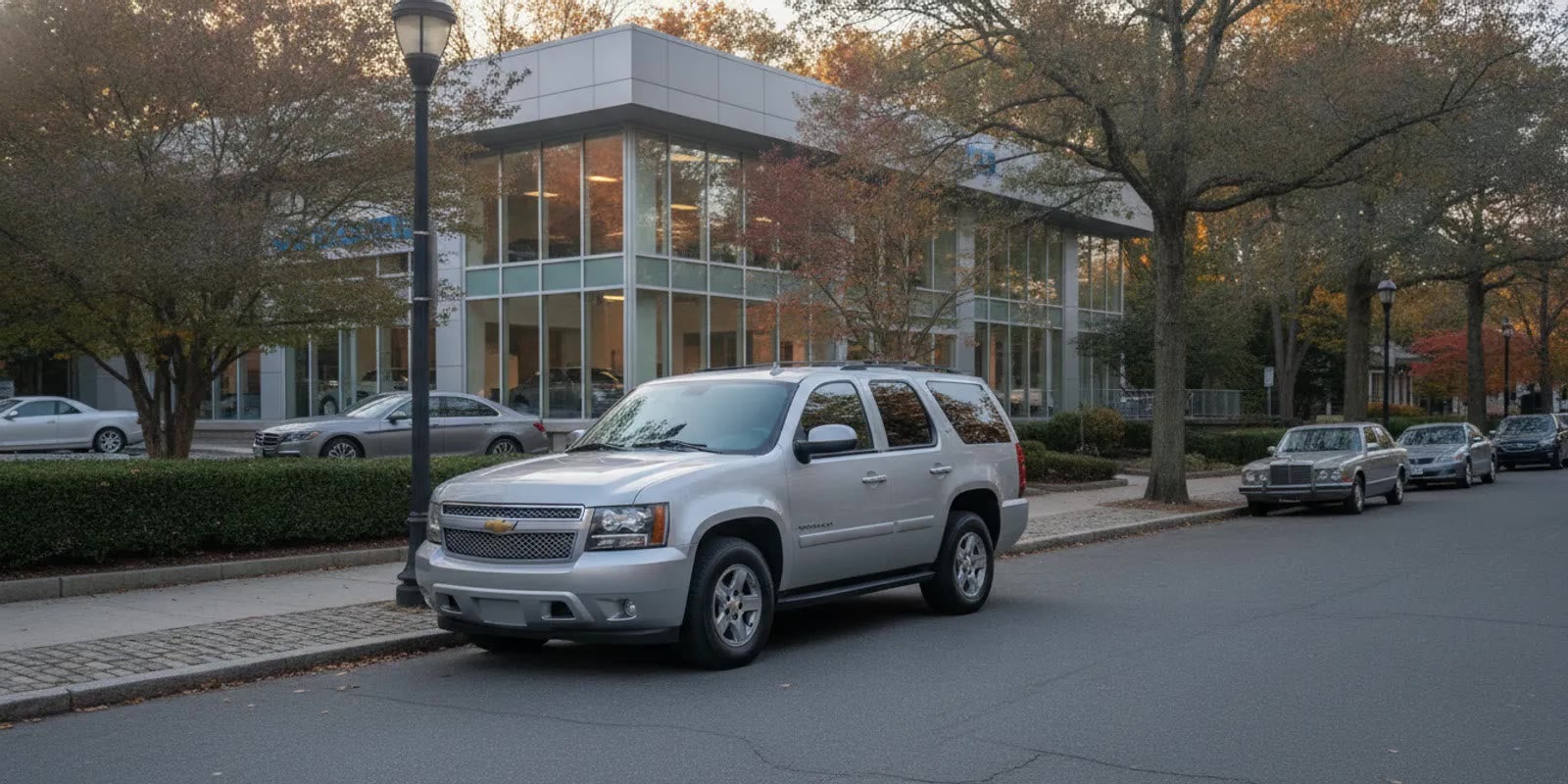
H & L Chevrolet is in Darien, not Westport. The dealership names Westport among the markets it serves, but that does not mean there is another store in Westport or that a particular vehicle is available. Treat the location as a nearby place to make an inquiry, then confirm vehicle availability and visit details directly before planning your trip.
What do compact, midsize, and larger SUVs change?
Size categories are useful filters, not promises about a specific cabin. SUVs within one category can differ in seat shape, door openings, roofline, storage areas, visibility, and cargo access. A category name cannot tell you whether a person will fit comfortably in the second row or whether a suitcase will fit with every seat in use. Compare the vehicle in person when possible, and assess the actual seat and cargo configuration you expect to use.
Compact SUVs
A compact SUV may suit someone who wants an elevated seating position and a flexible cargo area without choosing a larger vehicle. Look at rear-seat room with the front seat adjusted for the driver who will use the SUV most. Check whether the entry opening works for regular passengers, and see how the cargo area handles the items you bring regularly. A compact model is not automatically cramped or easy to park; exact shape, seating position, and visibility matter.
If you often travel with adults in the rear, have them sit there rather than judging from the front seat. If you carry a stroller or equipment, bring it or measure it and compare the opening and floor area. Ask how the rear seats fold and whether the resulting space works for your items. If loading height matters, try lifting a representative bag into the vehicle.
Midsize SUVs
Midsize vehicles may offer a different balance of passenger space, cargo capacity, and overall dimensions. Some have two rows and some offer a third row, so do not treat "midsize" as a fixed seat count. If a third row is present, try reaching it, sitting in it, and folding it. Check the room available for luggage when seats are in use. A seat count alone does not explain whether the layout suits your passengers or how much cargo remains.
For a household comparing two-row and three-row versions, write down how often all seats would be occupied. If the third row is needed only for occasional trips, decide whether access and remaining cargo room are acceptable. If you use it frequently, evaluate how passengers enter and exit and how the layout works with the second row positioned for comfort.
Larger SUVs
A larger SUV can be worth considering when regular passenger or cargo demands call for more room. Additional size may also change how the vehicle feels in a parking space, tight turn, or garage. Compare overall fit with your routine rather than assuming the extra capacity is always an advantage. Sit in the driver's seat, check visibility, and try the cargo layout in the configuration you will use most.
A larger body may solve one need while creating another. If you regularly carry many people and belongings at the same time, space could be useful. If you usually drive alone and carry small items, the additional room may not improve your day enough to justify the dimensions. Compare a larger candidate against a smaller one using the same parking, passenger, and cargo checks.
How can you test passenger and cargo space?
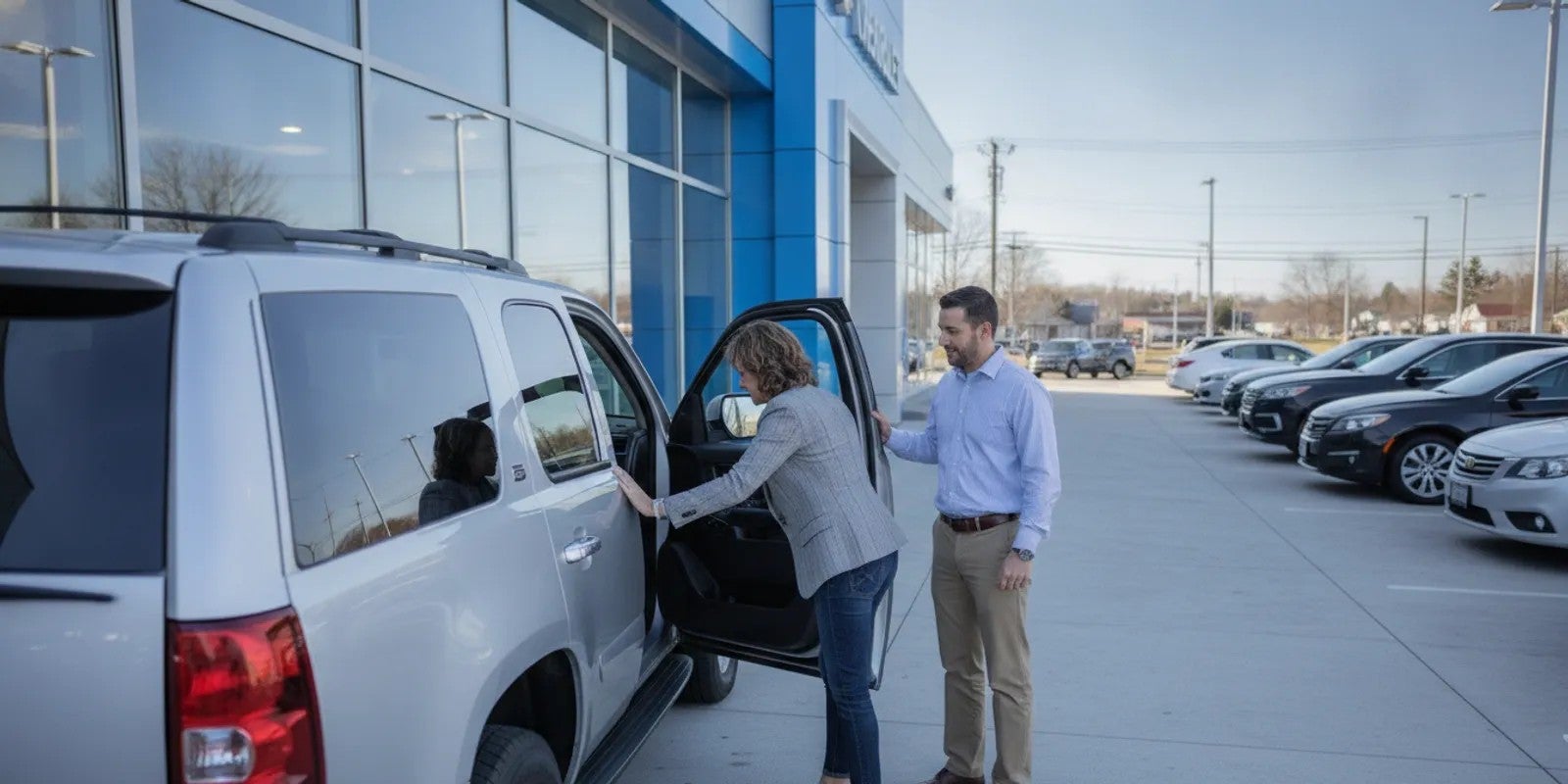
Use a repeatable seating check for each SUV. Adjust the driver's seat to a comfortable position first; then sit behind it or ask a regular passenger to try the rear seat. Check headroom, legroom, foot space, seat shape, and how easy it is to enter and exit. Try buckling a belt, adjusting a head restraint, and reaching any controls or storage that matter. If children ride in the vehicle, test relevant seating positions and access rather than assuming a seat will fit based only on the model category.
Next, check the cargo area in a realistic arrangement. Open the liftgate and notice how high it rises, how wide the opening is, and whether the loading edge is comfortable for you. Look for obstructions, storage compartments, and the way the rear seats fold. A stated volume, if you encounter one in a listing, is only one piece of information. The shape of the space and the amount available behind the row you use determine whether your belongings fit.
Use a practical test item. It could be a folded stroller, a suitcase of the size you often carry, a sports bag, or a box with approximate dimensions. If you cannot bring it, write down measurements and compare them with the vehicle's usable opening and floor area. Do not force cargo into a vehicle or obstruct the driver's view. The point is to see how naturally your usual load fits and whether you can secure and remove it comfortably.
For a pet, think about the animal's safe travel arrangement, the amount of floor area required, and the path from the door to the chosen spot. For mobility equipment or a frequently used child seat, test access, installation space, and the room passengers need around it. These checks can expose practical issues that broad labels such as "family friendly" cannot resolve for your household.
Finally, compare the layout with less common but important trips. If you take a few annual trips with extra passengers, ask whether those passengers can sit comfortably and whether luggage still has a secure place. If that arrangement would be cramped, decide whether it is a tolerable occasional compromise or a reason to consider another configuration. Frequency helps you avoid elevating a rare use case over everyday comfort-or overlooking a recurring need.
Which vehicle details should you verify before choosing?
A model name, photograph, or general model-year page cannot establish the exact equipment or condition of an individual used SUV. Inventory changes, and two vehicles with similar names may have different trims, drivetrains, seat layouts, and technology. Make a short list of details to verify against the specific vehicle you are considering. If you ask about a listing, identify it clearly and confirm that the answers apply to that SUV, not a general model description.
Condition and visible wear
Walk around the vehicle in good light. Look at the body panels, glass, lights, wheels, and tires. Note scratches, dents, mismatched finishes, cracks, or other details you want explained. Inside, inspect seat fabric or upholstery, carpeting, controls, storage areas, and the cargo floor. Wear does not by itself explain how a vehicle was maintained, so use what you see as a basis for questions rather than a complete history.
Ask what information is available about maintenance, repairs, and prior use. Review records if provided and note gaps or unclear entries. A history report can add context, but it is not a substitute for examining the vehicle or asking about its specific condition. If a detail matters to your decision, seek a clear answer and consider what further inspection is appropriate.
Equipment and configuration
Check the seats, drivetrain, controls, and technology you care about on the vehicle itself. Look for the exact seating arrangement, confirm a feature is present, and try using it where appropriate. Do not assume a general description covers every trim or model year. If phone connectivity, driver-assistance features, heated seats, or a cargo configuration is essential, verify it directly and make sure it works as expected during your visit.
Also consider the controls you will use repeatedly. Can you adjust the mirrors and seat comfortably? Are common settings easy to find? Is the screen legible from the driver's position? Can passengers reach charging or storage areas they need? A feature can exist and still be awkward for a particular driver. Evaluate how the vehicle works for you instead of treating the equipment list as a score by itself.
History, ownership, and program claims
Ask what is known about the SUV's prior ownership and use, and what documentation is available. If it is described as certified or eligible for a program, ask for confirmation tied to that specific vehicle identification number and review the applicable terms. A used vehicle is not automatically certified or eligible for a particular program. Any coverage, exchange, or roadside benefit must be understood in the context of that VIN and its terms.
Keep a record of what you learn. Write down the question, the answer, and any document or detail you still need to review. This is useful when comparing vehicles or speaking with another household member after a visit. It also helps distinguish confirmed information from an assumption based on a photograph or broad listing label.
How do you compare two used SUVs fairly?
Use the same criteria for every candidate and record evidence rather than relying on which one made the strongest first impression. You might rate each item as "fits," "needs checking," or "does not fit." Leave a note beside each rating. This makes clear whether a vehicle meets a requirement, whether you still need information, or whether a trade-off rules it out.
| Comparison area | Questions to answer | How to check |
|---|---|---|
| Passenger layout | Do regular passengers fit and enter comfortably? | Adjust the front seat, try each row, and test access. |
| Cargo use | Can it carry the items and passenger combination you need? | Measure or bring a representative item and inspect the layout. |
| Condition | What wear, repairs, and maintenance information should you understand? | Inspect the vehicle and review available vehicle-specific information. |
| Equipment | Does this SUV have the features you require? | Confirm listing details and operate relevant controls. |
| Driving fit | Can you see, park, and drive it comfortably? | Check visibility and arrange a test drive. |
| Remaining questions | What facts still need confirmation? | Record each unanswered question and next check. |
Imagine comparing two candidates for a household that carries four people most days and sports gear on weekends. SUV A may have a comfortable second row and an easy-to-load cargo area, but lack a feature on the household's must-have list. SUV B may include that feature, but the rear seat could feel tight for the tallest passenger. Confirm the feature on A, test the rear seat in B, and decide whether either trade-off is acceptable. Do not declare a winner from model names or trim levels alone.
Now consider a driver who usually travels alone, parks in a tight space, and carries small loads. That person may rate maneuverability, driver visibility, and seat comfort above a third row or maximum cargo capacity. Another shopper who regularly brings several passengers may reverse those priorities. Neither scorecard is universally correct; the point is to make the reasoning visible and personal. A vehicle with a lower total score can still be the better fit if it meets the needs that matter most.
Do not give every line item equal weight automatically. Mark the two or three requirements that are non-negotiable. Then use other rows to compare compromises. If two SUVs meet the essentials, differences in condition, comfort, ease of use, and equipment can focus your next questions. If neither meets the essentials, widen or adjust the search rather than talking yourself into a mismatch.
How can you research listings without assuming availability?
Begin with information attached to an individual listing, if one has caught your attention. Note the vehicle's identity, model year, trim, mileage if provided, and stated features that relate to your needs. Treat those details as prompts for verification, not proof that the vehicle remains available or that every feature has been described. Used inventory can change, so confirm current status before traveling or making plans around one SUV.
If you have not found a specific listing, describe the kind of vehicle you want in practical terms. Mention approximate size range, number of seats, important equipment, and the job the SUV needs to do. Be clear about what is flexible. For example: "I usually carry four people and need room for weekend bags; a third row is optional, but comfortable rear seating is important." This gives a dealership a useful starting point without presuming which models are in stock.
When comparing online descriptions, use a simple fact-checking routine. First, identify which details refer to the specific vehicle and which are general model information. Second, list any must-have item that the page does not explicitly confirm. Third, ask for clarification on those items before scheduling around the vehicle. Fourth, keep a note of the answer and the date you received it. If a listing changes or the vehicle is no longer available, reuse your needs list for another candidate.
A photograph can help you recognize a vehicle, but it cannot answer every condition question. Lighting and camera angles may hide wear, and images may not show every part of the cabin or cargo area. Ask for the information you need and review the SUV in person where possible. Likewise, do not infer a precise seat configuration, drivetrain, or safety feature from a model name alone. Details belong to the individual vehicle and should be confirmed there.
Keep online research bounded. It is easy to spend time comparing broad feature lists that do not answer whether a particular vehicle will work for you. Return to your written priorities after each listing. If the SUV does not meet an essential need, move on. If it appears promising, identify the one or two facts that would make it worth seeing. A focused shortlist is more useful than a long collection of vehicles you have not evaluated against your routine.
For more dealership information, use the H & L Chevrolet blog as a starting point for its published articles; it does not establish live inventory or vehicle availability. Keep any model research separate from confirmation about a specific used SUV.
What should you ask when contacting a dealership?
Use a direct question tied to a specific vehicle or a clear set of needs. If you have a listing in mind, identify it and ask whether it is available to view. Then ask about information you still need: configuration, condition details, history information, or a feature that matters to you. Ask whether you can arrange a test drive, and confirm the next step before setting out. Do not assume an online description confirms availability or guarantees an appointment.
If you are starting without a listing, give the dealership a concise description. State how many people ride with you, what you carry, the type of driving you do, and which features are essential. You can say that you are comparing used SUVs and would like to know what may be relevant to your requirements. The question should invite a conversation about possible options without suggesting that any particular SUV is presently on the lot.
For example: "I'm in Westport and looking for a used SUV for regular commuting and weekend trips. I usually carry four people and need flexible cargo space; all-wheel drive is a preference, not a requirement. Is the vehicle in listing [identifier] available to view, and can you confirm its seating layout and the history information available?" This request makes the vehicle and unanswered points clear. Adjust it to your priorities rather than using a script that does not describe your needs.
H & L Chevrolet's sales location is 1416 Post Road in Darien. The dealership serves Westport-area shoppers from that location; it is not a separate Westport branch. Call 203-655-2551 if you want to discuss a vehicle or your search. Before making the trip, ask about the individual SUV's availability and confirm visit arrangements. This avoids planning around a listing that may have changed.
Keep the discussion focused on the vehicle and the decision you are trying to make. You can ask what documents or information are available, what equipment is present, and what you should inspect in person. If a response is unclear, restate the question more narrowly. Instead of asking whether an SUV is "fully equipped," name the exact feature you need to confirm. Precise questions make it easier to compare the answer with your checklist.
How should you prepare for a visit?
A little preparation helps you make better use of time at the dealership. Bring your written must-haves, flexible preferences, and the list of questions you still need answered. If more than one person will regularly drive the SUV, have each person consider what matters to them. Agree on a short list of essentials, but leave room to assess the vehicle rather than deciding from a photograph alone.
- Confirm the vehicle and visit. Ask whether the specific SUV is currently available to view and confirm arrangements before traveling.
- Bring practical references. Note dimensions of important cargo, or bring a representative item if appropriate. Bring a child seat or other equipment only when useful and safe.
- Inspect the seating. Adjust the driver's seat and try passenger positions that will be used regularly. Check access, comfort, and visibility.
- Inspect the cargo layout. Open the liftgate, try the seat-folding arrangement, and compare usable space with your needs.
- Ask vehicle-specific questions. Review condition, history and maintenance information, equipment, and any program status tied to the individual VIN.
- Take notes. Record answers and unresolved questions so you can compare the SUV with other candidates later.
Try not to let an appealing single feature take over the whole visit. A panoramic roof, screen, trim detail, or exterior color may catch your attention, but the vehicle still needs to fit your passengers, cargo, routes, and comfort requirements. After the walkaround, revisit your checklist. If a must-have remains uncertain, ask for confirmation rather than treating a guess as a fact.
If you are visiting with a partner or family member, agree on how you will make notes. One person can check the second row while another reviews the cargo area or takes down answers. Give each person time to assess their own seat. Avoid assuming that the driver's impression represents everyone's experience, particularly when rear-seat access or comfort matters to the purchase decision.
What should you pay attention to on a test drive?
Use a test drive to learn how the SUV feels in situations that matter to you. Start by adjusting the seat, mirrors, and steering position. Check whether you can see clearly around the vehicle and reach frequently used controls without awkward movement. Notice how easy it is to enter and exit. A brief drive cannot tell you everything about long-term ownership, but it can help identify immediate fit issues and questions for further review.
As you drive, pay attention to comfort, visibility, steering feel, braking response, and controls you use. Notice whether the driving position remains comfortable as the trip continues. Listen for sounds you want explained, and note warning indicators or controls that do not operate as expected. If something concerns you, bring it up with the dealership and ask what the next step is. Do not try to diagnose a mechanical issue from a short drive on your own.
Where the planned route permits, experience a mix of conditions you commonly encounter, such as local streets and a stretch of highway. Drive safely and follow the route arranged for the visit. Consider how the SUV accelerates and settles into traffic, how readily you can judge its edges, and how confident you feel maneuvering and parking. If those conditions are not part of the drive, ask whether there is another appropriate way to evaluate them.
Take a second look at the cabin after driving. Has the seat remained comfortable? Were the screen and controls easy to understand? Did passengers have enough room? Is there a secure, practical place for the cargo you carry? If the vehicle has a feature you consider important, try it rather than relying on its presence in a description. A small inconvenience may be acceptable, but it is better to discover it while comparing options than after making a decision.
One driver's preferences may differ from another's. If another household member will regularly drive the SUV, arrange for that person to assess visibility, seating position, and ease of control when possible. If passengers are part of the decision, ask them to sit in the relevant row and comment on access and comfort. Each person should focus on practical observations, not simply whether the vehicle feels larger or more impressive than the last one.
How should you handle condition questions and inspections?
Use a calm, specific approach to condition questions. Point to what you noticed and ask what information is available about it. Identify visible wear, ask about maintenance records, or request clarification about a repair-history detail. Separate an observed fact from an interpretation: "I noticed this area looks different" is more useful than concluding what caused it without evidence. The dealership can explain what it knows and what documentation is available for that vehicle.
Review available information at a pace that lets you understand it. If a report or record contains terms you do not recognize, ask for an explanation or take time to research the terminology through sources you trust. Do not treat a report as a guarantee that every detail has been captured. Similarly, a clean-looking cabin or exterior is not a complete maintenance record. Each kind of information contributes a different part of the picture.
Some buyers may choose to arrange an independent inspection as part of their decision process. If you are considering one, ask the dealership about the process and any applicable arrangements before making plans. An inspection is a way to obtain additional information; it does not replace reviewing documents, confirming equipment, or deciding whether the SUV fits your routine. Understand the scope and findings on their own terms.
Keep a written list of concerns and their status. Mark each item as answered, documented, still uncertain, or not relevant to your decision. If a question remains important and unresolved, pause long enough to get a satisfactory answer before proceeding. The goal is not to expect a used vehicle to have no signs of prior use. It is to understand the specific vehicle well enough to make a considered choice.
How do you make sense of budget and value?
Decide what budget boundary is realistic for you before comparing individual SUVs, but do not treat an advertised starting point or broad search filter as the complete cost of a particular vehicle. Ask for current, vehicle-specific purchase details directly and review the terms that apply. No inventory count or price should be assumed from a general description, and availability can change. If you are looking under $25,000, state that as a search preference and ask what may fit without expecting a particular number of vehicles to qualify.
Think about value as the relationship between a vehicle's condition, equipment, fit, and the information you can verify-not just its size or the number of features listed. A lower-priced vehicle that fails a must-have requirement may not serve you well. A larger SUV may have useful space but impose a size trade-off you do not need. A feature-rich vehicle may still be the wrong choice if its seating arrangement is inconvenient or important condition questions remain unresolved.
To compare candidates, write down the purchase information you receive for each one and make sure figures refer to the same type of amount and the same vehicle. Ask what is included and what remains to be confirmed. Avoid comparing a remembered number with a different listing detail or assuming that a general estimate is final. Take time to review vehicle-specific information rather than relying on a rough impression.
Also consider how the vehicle's fit may affect day-to-day use. A seat that is comfortable for a short visit may feel different on a longer drive. Cargo space that works with the rear seats folded may not meet your needs when all passenger seats are occupied. These are practical value questions, not reasons to choose one SUV class automatically. They connect the vehicle you are considering with the work it will actually do.
Which trade-offs should you decide in advance?
Every search involves priorities. You may have to weigh a smaller footprint against more passenger space, a preferred feature against an ideal cargo layout, or a particular trim against a different vehicle's condition and fit. Decide which compromises are acceptable before you are under pressure to choose. This does not mean you need a rigid formula. It means you should recognize your boundaries and ask what would change your mind.
Try a three-part list. The first column contains essentials that rule a vehicle in or out. The second contains preferences that would improve the experience but are not required. The third contains questions that need an answer. For instance, a shopper could list comfortable second-row seating as essential, a particular color as a preference, and the presence of a specific driver-assistance feature as a question. The categories make it less likely that an appealing preference will be mistaken for a verified requirement.
Then define a stopping point for the search. You might decide that a vehicle must fit all regular passengers and carry usual cargo without an awkward workaround. You might decide that a feature is optional if the cabin, condition, and driving experience suit you. These standards differ from household to household. What matters is that your decision reflects a considered trade-off, not pressure to accept a vehicle that leaves an essential need unmet.
If two candidates remain close, ask what new information would help you choose. It may be a more complete equipment confirmation, another test drive, a chance for a regular passenger to sit in the vehicle, or clarification of a history record. If no additional check would change your preference, decide which trade-off you are more comfortable living with. If you still lack a necessary fact, get it before treating the comparison as complete.
What should you do when the SUV you wanted is unavailable?
Because used vehicles can change status, build your search around needs rather than a single listing. If the SUV you planned to see is not available, return to the criteria you wrote down. Ask whether another vehicle might match the same seat arrangement, size range, or equipment priorities, but evaluate that vehicle on its own details. Do not assume a similar model name means the same condition, equipment, or history.
It can help to identify acceptable alternatives in advance. If you prefer a midsize SUV with two rows but could consider a compact model with a useful cargo layout, note that possibility. If you need a third row, decide whether occasional use is enough or whether the seating is a firm requirement. A clear alternative is not a commitment to choose something different; it is a way to keep the conversation productive when inventory changes.
When considering a substitute, repeat the same checks: confirm its individual features, evaluate condition information, try the seating and cargo arrangement, and assess how it drives. Do not transfer an answer from the first vehicle to another. A feature, history detail, or program status applies to a specific SUV and should be rechecked. If no current option meets your essential requirements, it is reasonable to continue your search rather than lower an important standard.
How can you keep the decision informed?
A good process gives you enough time to ask, check, and compare. Set priorities before making an inquiry, use the same questions for each candidate, and take notes after every conversation or visit. Ask for clarification when a description is broad. Confirm information about the exact vehicle rather than relying on a general model page. If you need more time to review a detail, say so and identify what you need to understand.
Be alert to the difference between a fact, an estimate, and an assumption. A confirmed seat layout is a vehicle detail. A general statement about a model is not confirmation that the vehicle has that configuration. A statement that a used vehicle may be eligible for a program is not proof that a specific VIN qualifies. Keeping these distinctions clear helps you compare candidates fairly and prevents a search from depending on unverified information.
The best match is not automatically the largest SUV, the newest-looking interior, or the one with the most features. Your answer depends on how the vehicle fits your passengers, cargo, driving habits, parking, and priorities. If a candidate does not meet a central requirement, identify that clearly. If it meets the essentials, use remaining checks to understand its compromises and decide what questions still need answers.
For Westport shoppers, H & L Chevrolet's Darien location is a place to ask about used vehicle options and evaluate an individual SUV. The dealership is not located in Westport, and no specific vehicle should be presumed available from the fact that you are searching locally. Confirm status and arrangements directly, then base your decision on the SUV you actually review.
For an additional route to the dealership's published resources, visit the H & L Chevrolet blog. Use that page for general published information only; confirm vehicle-specific details directly before planning a visit.
With clear priorities, vehicle-specific questions, and a consistent comparison, you can focus your search on the used SUV that best fits your routine and verify its details before planning your next step.