



A Chevy dealer Greenwich test drive is more useful when you arrive knowing what you want to learn. A short list of vehicle-use priorities, questions, and comparison points can help you focus on the drive instead of trying to remember everything afterward. H & L Chevrolet is one dealership in Darien serving shoppers from Greenwich and nearby communities; this guide helps you plan a visit without assuming a particular model or configuration is available.
What should you decide before leaving Greenwich?
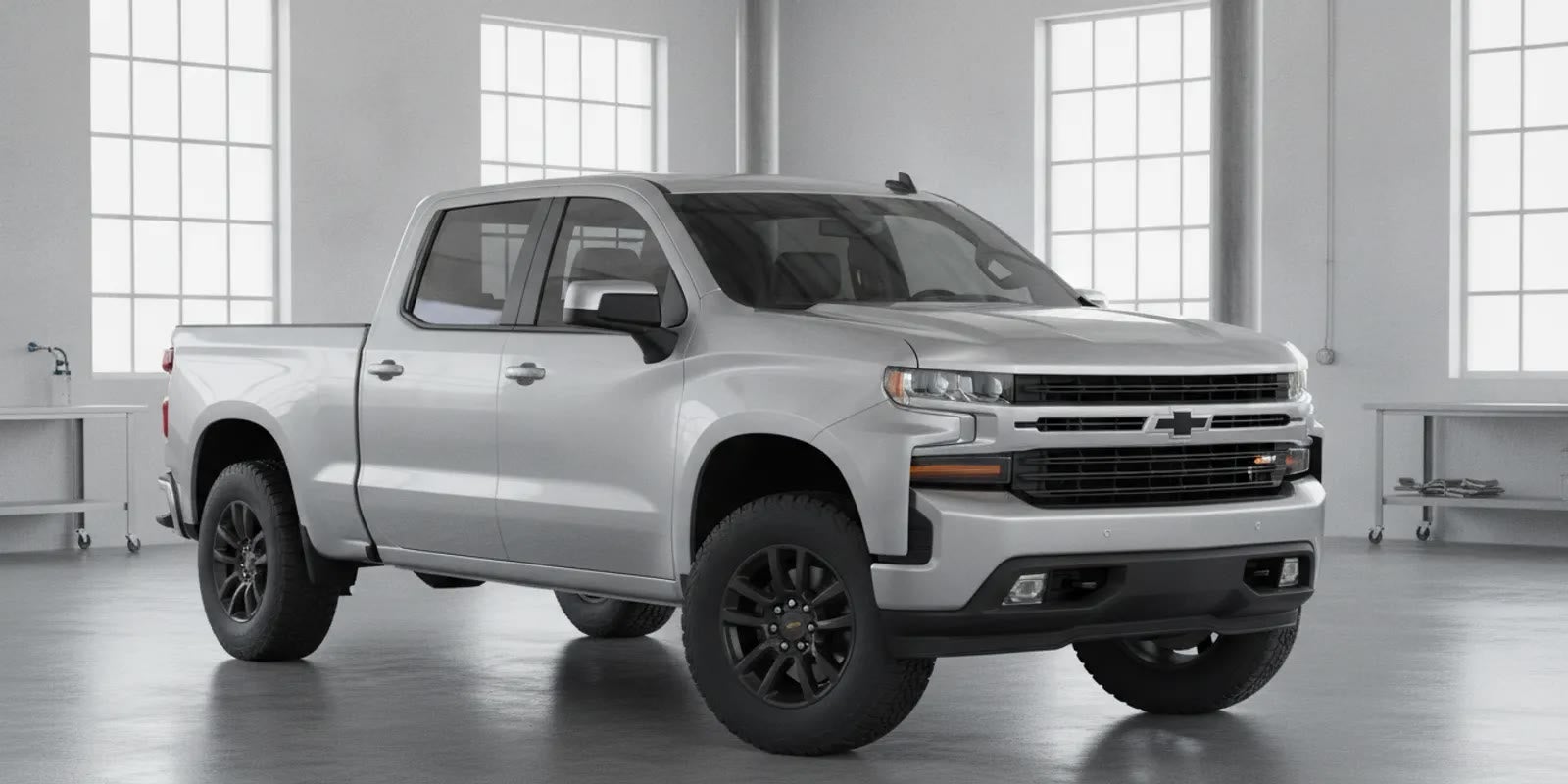
Begin with the job the vehicle needs to do. Think about who rides with you, what you carry, where you drive most often, and what feels difficult in your current routine. A shopper considering an SUV may want to assess passenger access, visibility, and how the cargo area works for everyday errands. Someone considering a pickup may pay closer attention to cab space, bed utility, and the feel of the vehicle on ordinary roads. These are personal evaluation points, not statements about the capacity or equipment of a particular model.
Choose three priorities before you go. A useful list might be: comfortable seating for regular passengers, a confident view of the road, and a practical way to load the items you carry each week. Rank them. If two vehicles have different strengths, the ranking helps you decide which difference matters most rather than treating every feature as equally important.
- Which Chevrolet models or body styles are you considering?
- Who will drive or ride in the vehicle most often?
- What items, equipment, or luggage do you regularly carry?
- Do your typical trips include neighborhood streets, highway stretches, narrow parking spaces, or a mix?
- What unanswered question would prevent you from taking the next step?
If you are still narrowing the field, browse the Chevrolet model research as a way to identify questions. Research pages are useful for orientation, but they do not confirm that a specific vehicle is available to view or drive.
Turn each priority into something you can actually evaluate. "I need it to work for family trips" is broad; "my regular passengers should be able to enter comfortably, and their bags should be easy to load" gives you two things to check while parked. For a work-focused vehicle, write down the equipment or materials that affect your decision, then identify which dimensions or configuration details need a definite answer. You can record the question without assuming that the vehicle you see will match every requirement.
What should you bring to a Chevrolet test drive?
You do not need a thick folder. Bring information that makes the visit specific. If another household member will regularly use the vehicle, invite them when practical or write down their priorities. A second driver may notice different things about seat position, controls, visibility, or ease of entry. If you cannot bring them, ask whether there will be time for them to evaluate the vehicle on another visit.
- Your short priority list: Keep it to a few items that you can review before and after driving.
- Model and configuration questions: Write down the model you want to explore and any details you need clarified. Do not treat a model name or research page as proof of current availability.
- Trade-in details, if relevant: Note the year, make, model, approximate mileage, and condition details you want to discuss. This starts a conversation; it is not a valuation.
- Identification questions: Ask the dealership in advance what identification is needed for the drive so you can arrive prepared.
- Measurements or fit concerns: If a child seat, mobility item, or regular piece of equipment affects your decision, bring its measurements. Ask whether you can check the fit while the vehicle is safely parked.
- A way to take notes: A phone note or small notepad lets you record impressions while they are fresh, after the vehicle is parked.
If you may discuss a trade, the dealership's trade-in information provides a place to start. Sharing basic details does not promise a particular value or settle the terms of a transaction.
Make your notes easy to use in the moment. A compact phone checklist can have three headings: "experienced," "confirm," and "compare." Under experienced, write what you personally noticed, such as whether the seat felt supportive on the route. Under confirm, list specifications or equipment questions that require a vehicle-specific answer. Under compare, record the point you want to test in another candidate. Keeping those categories separate prevents a quick impression from becoming an assumption about a feature.
If you bring a child seat or other item for fit evaluation, plan to check it only while parked and with permission. Measurements can be more practical than carrying a bulky object, especially if the fit question is about a particular area. Ask which exact vehicle is available to inspect and whether its configuration matches the one you are considering. If you expect multiple passengers, their observations matter too: invite them to sit in their usual places and describe what feels easy or awkward.
What should you confirm before making the trip?
Contact the dealership before traveling from Greenwich and ask about the exact vehicle you hope to drive. Confirm whether the model and configuration can be arranged for a test drive and whether you should reserve a time. Online vehicle information can help you describe what you want, but it does not establish that a specific unit is available at that moment.
Be as precise as you can. If you are interested in a particular model, say so. If your choice depends on a seating layout, cab, or other configuration detail, ask whether that exact version can be viewed or driven. If it is not available, ask what information would help the dealership discuss alternatives or a sourcing conversation. Do not assume that a similar model or trim will answer every question about the one you have in mind.
Clarify the purpose of your visit. A shopper comparing two vehicles can ask whether both may be viewed or driven during one visit. Someone focused on one vehicle can explain which real-world conditions matter most. A business shopper considering a work truck or van can describe the job the vehicle needs to support and ask about appropriate configurations or sourcing. Do not assume a particular commercial vehicle is currently on site.
- Can you confirm the model and configuration I am asking about?
- Should I arrange a time, and what should I bring?
- Can I compare this vehicle with another Chevrolet during the visit?
- Which details should I verify on the exact vehicle?
- If the vehicle is not available, what is the next useful step?
- How can I follow up with a written quote or an availability question?
For a local next step, see Chevrolet test-drive planning. H & L Chevrolet is based in Darien; the Greenwich-area page does not mean there is a second dealership in Greenwich.
A short call or message is more productive when it identifies the question behind the visit. For example, say that you want to compare two body styles because passenger access is a priority, or that you need to determine whether a specific configuration can accommodate a work requirement. Ask what information the dealership needs to check the vehicle, and keep a note of the answer. If the configuration is not available, you can decide whether an alternative would still be useful or whether you would rather wait for information about the exact version.
How can you make the drive a fair comparison?
A repeatable approach makes a comparison more useful. Before moving, ask which route is practical and permitted. If you drive more than one vehicle, try to notice the same categories in each. A familiar mix of road conditions may reveal what matters to your routine, but follow the dealership's directions and drive only where permitted.
- Settle in while parked. Adjust the seat and mirrors. Check whether you can find the basic controls and whether your driving position feels comfortable. Take a moment before starting the route rather than trying to make several adjustments in motion.
- Notice visibility and access. Consider your view through the windows, the position of the controls, and how easy it feels to enter and exit. If another person will often drive, they should make their own assessment rather than relying only on your impression.
- Pay attention to the road feel. On the allowed route, note steering response, ride comfort, and cabin sound. Focus on your experience, not on trying to test a limit or reproduce a condition that would be unsafe.
- Consider the route in sections. If the permitted route includes different kinds of roads, make a quick note afterward about where the vehicle felt most natural and where you had questions. Do not assume a short drive can represent every condition.
- Check everyday practicality while parked. Look at passenger access, cargo access, and any specific storage or loading concern. Keep belongings secured and ask before placing items in the vehicle.
- Record impressions immediately after the drive. Write down what felt comfortable, what seemed unfamiliar, and what you still need to verify. Separate what you experienced from claims or specifications that need confirmation.
Do not handle a phone, adjust settings, or inspect cargo while driving. If you need to change something, park safely and ask for help. A test drive is one part of choosing a vehicle; it cannot settle every question about exact equipment, dimensions, ownership, or the particular configuration you may later consider.
For a cleaner comparison, keep the route and order of checks as consistent as possible. If one candidate is driven only on a quiet street and another includes a busier stretch, the impressions may not be directly comparable. You cannot control every route condition, but you can note the difference. Try to answer the same questions for each vehicle: Was it easy to settle into the driving position? Could you see what you needed on the route? Did the ride feel comfortable to you? Was entering or loading straightforward while parked? A simple "not tested" entry is better than guessing.
For example, imagine you are comparing two SUVs for regular trips with family. In the first, you may find that the driver position feels natural but a passenger wants to check rear-seat access. In the second, the passenger may find entry easier, while you still have a question about cargo layout. Neither observation decides the purchase by itself. Record each separately, then ask which configuration-specific details can be verified. This kind of note helps you discuss trade-offs without confusing personal comfort with published equipment facts.
What should you compare after the drive?
Separate personal impressions from vehicle-specific facts. "The seating felt comfortable" describes your experience. A question about a feature, measurement, or whether a particular configuration is available needs an answer tied to the exact vehicle. This distinction prevents an impression from one model from becoming an assumption about another.
| Comparison area | What to notice | What to confirm |
|---|---|---|
| Driving feel | Comfort, visibility, steering, and road feel on the permitted route | Whether your impressions apply to the exact model and configuration you are considering |
| Passenger use | Entry, seating comfort, and how the cabin works for regular riders | Vehicle-specific seating and equipment details important to your needs |
| Cargo or work use | Access, loading concerns, and how the space fits your routine | Relevant dimensions, configuration, and availability for the specific vehicle |
| Model comparison | Which of your top priorities each candidate seems to meet | Whether each model and configuration can be viewed or driven |
| Trade discussion | What details you can provide about your current vehicle | How the dealership will review the information and explain next steps |
| Next action | Any remaining question or comparison you want to complete | How to contact the dealership, request a quote, or arrange another drive |
Use a simple scorecard if you are comparing vehicles. Give each priority a short note such as "strong fit," "needs clarification," or "not a priority." Add one piece of evidence beside each note. For example, "easy entry for my passenger" is more useful than "liked it," while "confirm the exact cargo measurement" clearly identifies an open question. Avoid giving a precise score to something you did not test or verify.
You can also separate must-haves from preferences. A must-have is a condition you need the specific vehicle to satisfy; a preference is a factor that could make one candidate more appealing without ruling out another. If a must-have remains unanswered, mark it as open instead of giving the vehicle a positive score. Then your next conversation can focus on confirming that point rather than revisiting everything you already learned. This is especially helpful when you are considering different vehicle types, because the same word - such as "roomy" or "easy" - can mean something different to each passenger.
When you are ready to consider specific options, review the new Chevrolet inventory and confirm availability for the vehicle that interests you. The inventory page is a starting point, not a promise that a listing will remain available. You can also use the quote request page to ask about a specific option; verify the details that apply to the exact vehicle rather than relying on a general model description.
How can you prepare for a clear follow-up?
Before ending the visit, summarize what worked and what remains unknown. If the vehicle seems promising, ask how to receive a quote and what information is needed to continue. If you are not ready to decide, say which comparison or answer would make the next conversation useful. You do not need to turn a test drive into an immediate decision.
If a trade is part of your plans, state whether you want to discuss it during this visit or later. Keep your notes about the vehicle and trade separate. If you drove more than one Chevrolet, record the model and configuration associated with each impression; otherwise it is easy to mix up details afterward.
For questions before or after your visit, use the dealership's contact page. Include the model and configuration you want to discuss, the questions you need answered, and whether you are asking about a test drive, comparison, or quote. Specific information helps keep the conversation focused.
A practical follow-up note can be brief: identify the vehicle or configuration, list the one or two questions still open, and say what action you would like next. If you want another drive, ask what can be arranged. If you need a written quote, name the exact option you are asking about and ask which details will appear in the response. For a business use case, describe the kind of work the vehicle must support and the configuration you want to clarify. Keep any estimate, availability statement, or equipment detail tied to the specific vehicle being discussed.
Frequently asked questions
Should I schedule a Chevrolet test drive before traveling from Greenwich?
Contact the dealership or use its test-drive form first. Ask whether the model and configuration you want can be arranged and whether you should select a time. A model page alone does not confirm that a particular vehicle is available.
What if I am not sure which Chevrolet model to drive?
Start with your passenger needs, regular cargo, driving conditions, and top priorities. Use model research to develop questions, then ask the dealership which vehicles might be useful to compare. Confirm the specific options before planning the visit.
Should I bring trade-in information?
If a trade may be part of your decision, bring basic details such as year, make, model, and approximate mileage. That information can start a discussion, but it is not a final valuation.
Can I check whether an item fits?
Ask whether you can examine the relevant space while the vehicle is parked. Bringing measurements can help you ask a specific question. Get permission before placing an item in the vehicle, and do not try to handle it while driving.
What if the model I want is not available for a drive?
Ask whether the dealership can discuss another way to evaluate the model, whether a comparable configuration is available to view, or what next step makes sense. Treat any alternative as a separate vehicle and confirm which features or specifications differ.
Bring your priorities, ask for answers tied to the exact vehicle, and confirm availability before traveling from Greenwich. A focused visit gives you a clearer basis for deciding what to explore next.