



Shopping for new Chevy trucks near Darien is easier when you begin with the work the truck needs to do. A pickup used for commuting, family trips, and occasional home projects calls for a different comparison than one expected to carry tools every day or support a business. Start with your routine, then match it to an exact configuration rather than choosing from a model name alone.
What should you define before comparing new trucks?
Write down the tasks that matter most before opening inventory listings or comparing trim names. That short exercise keeps the conversation focused on fit. It also helps separate a required capability from a feature that would simply be nice to have.
- Who rides along? Note how many people travel with you on an ordinary day, whether rear-seat access is important, and whether passengers are occasional or part of the regular work crew.
- What goes in the truck? List the largest, longest, and heaviest items you expect to carry. Include tools, materials, recreational gear, and anything that must remain protected or secured.
- How often is the truck working? Distinguish daily commercial use from occasional hauling. A vehicle that carries equipment every weekday may need a different equipment and payload review than one used for projects a few times each season.
- Where will it go? Think about local streets, highways, job sites, parking structures, driveways, and tight loading areas. Overall size and maneuverability can matter as much as the truck's capability on paper.
- What must it tow? If towing is part of the plan, identify the trailer and its loaded weight as accurately as possible. Ask about the specific truck's ratings and required equipment instead of relying on a broad model-family figure.
For example, a household that needs room for regular passengers and occasional bulky cargo may prioritize a different cab-and-bed balance from a contractor whose main concern is carrying tools and materials. Neither shopper should assume that the same configuration is right for both. A clear list makes the first comparison practical.
Use those priorities while browsing new Chevrolet inventory. Listings can help you identify candidates, but confirm the exact vehicle, equipment, and availability with the dealership before making plans around it.
How do cab and bed choices affect daily use?
The cab is the passenger area; the bed is the open cargo area. Together, they determine much of the truck's everyday usefulness. A larger cab can help when people regularly ride in back. A longer bed may be more practical when the cargo you carry is long or when you need space for work materials. Not every cab, bed, drivetrain, or equipment combination is necessarily offered together, so evaluate what is actually configured on the individual truck.
Start with a passenger count and a cargo measurement, not a guess. If rear seats will be used often, have the people who ride with you consider entry, exit, and seating space. If cargo fit is the priority, measure a typical load from end to end and note its shape. A simple measurement can prevent a mismatch that a trim description will not reveal.
| Primary need | Questions to answer | What to confirm on the truck |
|---|---|---|
| Regular passengers | How many people ride, and how often are rear seats occupied? | Cab layout, seating, passenger access, and the actual cab configuration |
| Long or bulky cargo | What are the length, shape, and approximate weight of typical loads? | Bed dimensions, load fit, and applicable payload information |
| Work equipment | Which tools and materials travel on a normal workday? | Payload rating, configuration, installed equipment, and any needed accessories |
| Towing | What trailer will be used, and what is its loaded weight? | Vehicle-specific towing rating and equipment requirements |
| Mixed daily use | How will passengers, cargo, parking, and work use balance? | Cab-and-bed pairing, dimensions, and the truck's specific equipment |
Use the table to organize questions, not to infer specifications. Two trucks with the same model-family name can have different configurations and equipment. The vehicle listing and its documentation are the appropriate references for the unit under consideration. Ask the sales team to walk through any specification you cannot match to your needs.
When might a Silverado 1500 or a Silverado HD be worth comparing?
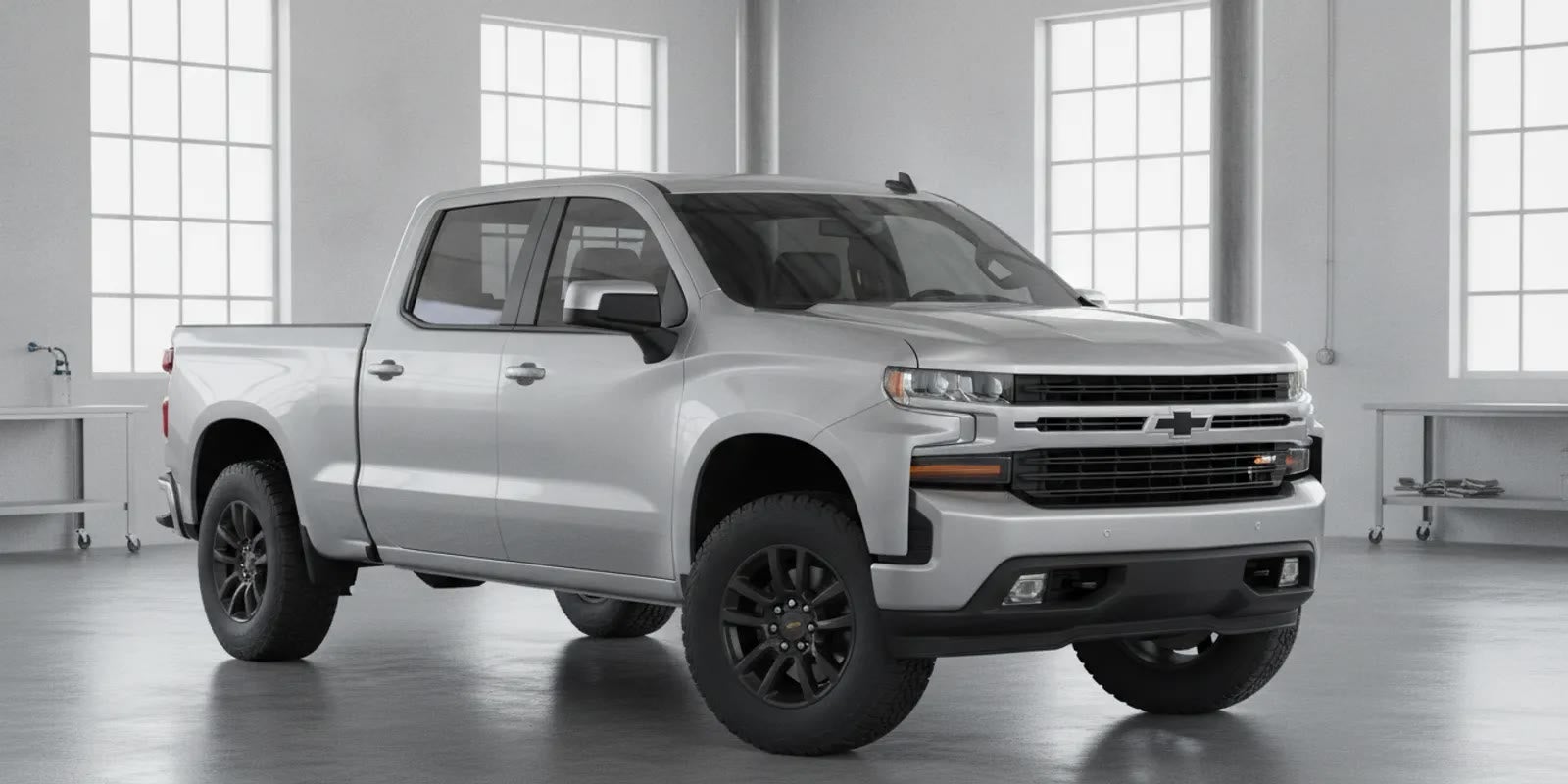
A new Silverado 1500 may be one option to examine when your priorities combine everyday driving, passenger needs, and hauling or towing requirements. Silverado HD models may be worth comparing when the planned work calls for a different level of capability or a work-oriented configuration. Those broad descriptions are starting points, not a substitute for matching requirements to the truck's exact specifications.
For any pickup, write down the load and towing tasks before comparing configurations. Consider the people and equipment in the cab, cargo in the bed, and any trailer or installed accessories. Payload and towing figures vary by configuration and equipment. Do not apply a number from one truck to another, even if both share a model name. Review the specific rating and ask how the figure applies to the way you plan to use the vehicle.
Work buyers may also want to compare a conventional pickup with a chassis cab when the vehicle is being considered for a job-specific purpose. A chassis cab is a distinct starting point for a commercial vehicle body or application; the right fit depends on the work, intended body, and configuration. Be specific about the job rather than assuming a particular body or upfit is included. Confirm what is part of the truck being quoted and what, if anything, would need separate discussion.
The Silverado 1500 model information can provide a starting point for research. For local business needs, H&L Chevrolet's commercial truck and van information is another route to begin a conversation. A model page or commercial page does not establish that a particular truck is currently available.
How can business buyers describe the job clearly?
A commercial truck inquiry is more useful when it explains the work that needs to be done. Begin with the type of business task, then describe the crew, cargo, and operating conditions. It is not necessary to have every procurement detail settled before asking a question. The goal is to give the team enough information to discuss an appropriate vehicle or the next step in locating one.
- Describe the daily assignment. Explain whether the truck will carry tools, materials, equipment, or a work body, and whether the assignment is occasional or routine.
- List people and load. State the usual passenger count and outline the cargo, including approximate dimensions and weight when known. Mention items that must remain secured or separated from the passenger area.
- Explain towing needs. If a trailer is involved, identify the type and loaded weight if available. If you are still determining those details, say so and ask which vehicle information you should compare.
- Name the preferred configuration. Include the model family, cab, bed, chassis cab, or equipment preference if you have one. Mark essential requirements separately from preferences.
- Share a specific listing when possible. A listing link or VIN helps focus discussion on one vehicle. If you do not have a candidate, ask whether sourcing options can be discussed; do not assume that a particular configuration can be obtained.
- State your planning needs. If timing matters, explain the timeframe you are working toward. An inquiry is not confirmation of availability, a delivery date, or a completed appointment.
H&L Chevrolet's commercial page says internet quote requests receive a reply within four business hours. That is a response commitment. It is not a promise of a particular vehicle, final price, or delivery time. When requesting a quote, ask for written, vehicle-specific information and clarify which configuration the response addresses.
What should Darien-area shoppers verify before requesting a quote?
Before comparing offers or setting aside time to visit, make sure you and the dealership are discussing the same vehicle. A general model or trim name is not enough if your decision depends on a specific cab, bed, drivetrain, or work configuration. Confirm the identity and details of the unit, then review the terms of the quote in writing.
- Vehicle identity: Is the quote tied to a specific truck or to a configuration the dealership may need to locate?
- Configuration: Do the cab, bed, drivetrain, and installed equipment match the requirements you listed?
- Capability: Have you reviewed ratings and limitations for this exact truck, especially if payload or towing is central to the job?
- Availability: Has the dealership confirmed the status of the specific vehicle? A model page or search result alone is not proof of current availability.
- Quote details: Does the written information identify the vehicle and applicable charges clearly? Ask questions about anything you cannot interpret.
- Next step: If you want a test drive or visit, confirm that the particular truck and timing are suitable before traveling.
For a more focused request, share the listing or VIN, your preferred cab and bed, must-have equipment, and whether the truck is for personal or business use. If you are still deciding between alternatives, explain the trade-off you are weighing, such as passenger room versus cargo length. That gives the team a useful basis for discussing the options without treating a general description as a confirmed match.
Shoppers in Darien, Stamford, Greenwich, Norwalk, and surrounding communities can follow the same process. Start with the dealership's new Chevrolet trucks shopping path, then identify a specific listing or explain the configuration you are seeking. If you are considering a factory configuration that is not shown, the custom vehicle order page is a place to begin asking about that route. An inquiry does not guarantee that a requested configuration is available or can be sourced.
How do you make a test drive useful?
A test drive helps you judge how a particular truck feels in normal driving. Choose a short checklist based on your daily routine. Notice the view from the driver's seat, ease of entering and exiting, steering feel, and how comfortable the cab seems to the people who will ride regularly. If you expect to park in a garage, driveway, or narrow work area, consider the truck's overall dimensions and the space you need to maneuver.
Use the drive to evaluate the vehicle, not to establish its load limits. Ratings for payload and towing must be confirmed from the documentation for that exact truck. If cargo fit matters, bring measurements or a written list of representative items and discuss the bed dimensions. If passenger comfort is important, have a regular passenger assess the seating when practical.
Try to compare trucks under similar conditions. Use a consistent route where possible, and record your impressions immediately after each drive. Note what felt easy, what required adjustment, and which questions remain. That makes it easier to distinguish a true preference from the effects of route, traffic, or a different vehicle configuration.
To arrange a drive, use the test-drive request form and identify the model or listing you want to discuss. You can also use the dealership's contact page to ask about a specific vehicle or next step. Confirm the vehicle's status and timing before making a trip.
What should you compare after the first candidate?
Do not stop at the first truck that appears to fit. Compare at least the details that affect your day-to-day use: cab, bed, major equipment, vehicle dimensions, and relevant payload or towing information. You might find that one candidate offers the passenger arrangement you need while another is a closer match for cargo or business requirements. The point is not to make every option look equivalent; it is to understand the trade-offs before deciding which details matter most.
A simple comparison sheet can prevent details from getting mixed up. Give each candidate its own column and record the exact listing or VIN at the top. Use rows for passenger needs, cargo measurements, towing task, parking considerations, and required equipment. Leave a field blank when you have not confirmed the answer. A blank is a prompt to ask, not an invitation to fill in a value from a different truck.
For instance, imagine a buyer who carries two coworkers most days, transports long materials several times a week, and parks in a constrained work area. The comparison should not assume that a larger cab and longer bed will always be paired. Instead, the buyer should identify which need is non-negotiable, check the available configurations, consider vehicle dimensions, and ask whether the load can be accommodated safely. If the work requires a particular body or equipment, confirm that separately before treating a candidate as suitable.
Another shopper may use a truck mainly for commuting and occasional towing. That buyer can still be precise: name the trailer, determine its loaded weight, consider how often it will be towed, and verify the relevant ratings for each candidate. Then assess everyday cab comfort and parking. This balances routine driving with a less frequent but important task without assuming that a general model description answers both.
Frequently asked questions
How do I choose between more passenger room and a longer bed?
Start with how often rear passengers ride and what you carry most often. Measure typical cargo and compare the cab-and-bed combinations shown on specific trucks. Confirm that the configuration you want is available on the vehicle being discussed.
Does a Silverado model name tell me its towing or payload rating?
No. Ratings depend on the truck's particular configuration and equipment. Check the specifications for the specific vehicle and confirm how they apply to your planned load or trailer.
Can I ask about a configuration that is not listed online?
Yes. Describe the model family, cab, bed or chassis cab, and essential equipment, then ask whether sourcing or order options can be discussed. An inquiry is not a guarantee that the requested configuration can be obtained.
What should I include in a commercial truck quote request?
Describe the work, passengers, cargo, towing needs, preferred configuration, and planning timeframe. Include a listing or VIN if you have one, and ask for written details tied to the specific vehicle or configuration.
Can a test drive confirm whether a truck can carry or tow my load?
No. A drive can help you judge comfort, visibility, and handling. Confirm payload and towing ratings from the exact truck's specifications, and ask questions about the equipment needed for your intended use.
Request a vehicle-specific quote
With your priorities written down and each candidate's configuration confirmed, you can compare new Chevrolet trucks on the details that matter and choose a clear next step.