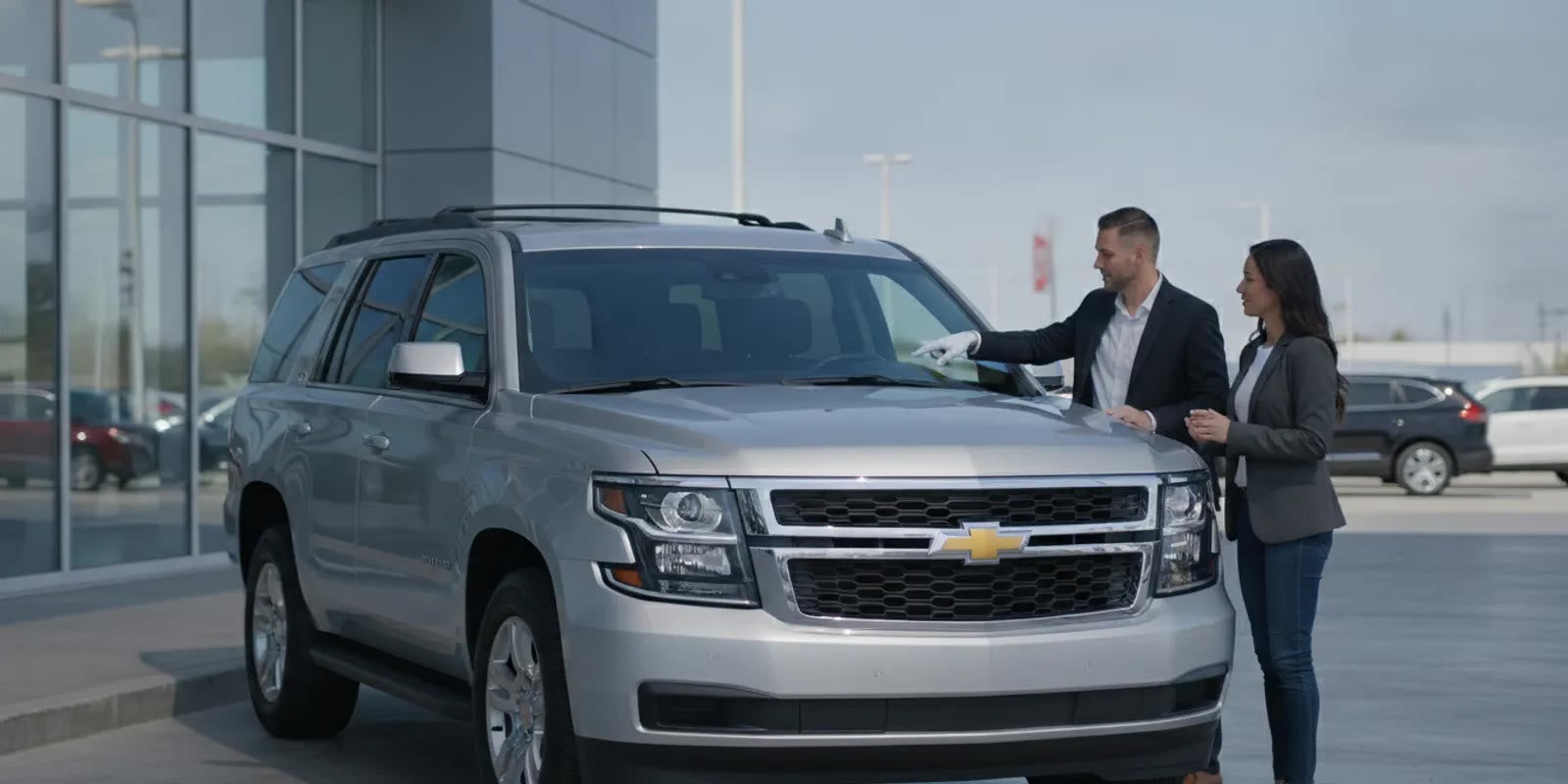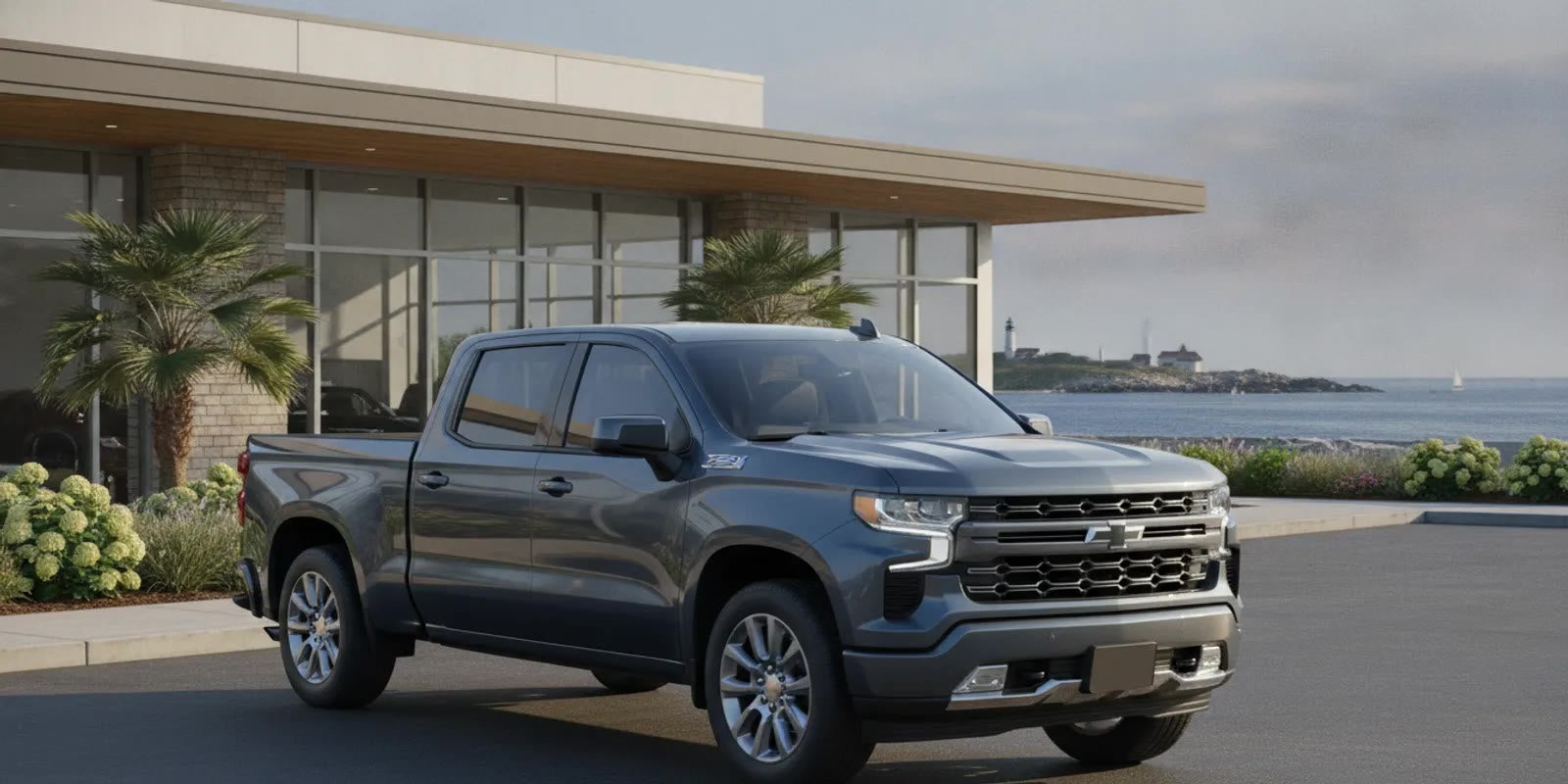





Chevy Tahoe mpg is not a single figure that applies to every model year, configuration, or driver. The estimate attached to a particular vehicle is a useful comparison point, but your daily result can be shaped by traffic, speed, temperature, trip length, passenger and cargo load, and vehicle condition. If you are comparing a Tahoe near Darien, the useful question is not only what an estimate says, but how closely the test conditions match the way you plan to drive.
Explore Chevrolet Tahoe vehicles
What does a Tahoe fuel-economy estimate tell you?
Fuel-economy estimates give shoppers a standardized way to compare vehicles. They are not a promise that every owner will record the same result. A standard test cannot reproduce the exact route, weather, traffic, driving style, or load of every household. A person who mostly makes short local trips may see a different pattern from a driver who spends long stretches at a steady highway pace. Two drivers with the same Tahoe can also have different results because their routines are different.
Start with the estimate for the exact model year and configuration you are considering. The model name by itself is not enough to establish an applicable figure. Engine, drivetrain, equipment, and other configuration details may matter, and a number for one year or setup should not automatically be applied to another. Review the information on the specific vehicle's label and current official Chevrolet materials. If you are using a dealer listing, confirm that its details match the vehicle you intend to evaluate.
It helps to treat an estimate as a reference point rather than a personal forecast. Your commute and weekend trips may not line up neatly with standardized city and highway categories. Think through the actual mix of roads, starts, stops, speed changes, and time spent idling. That context helps you decide whether an estimate is relevant, even though it cannot predict a precise number for your own driving.
Why can real-world Chevy Tahoe mpg vary?
Fuel use reflects a combination of vehicle, route, conditions, and driver choices. No one factor explains every difference, and a change in one trip does not necessarily identify a mechanical issue. When you compare an expectation with your own results, consider the complete pattern rather than focusing on one unusual drive.
- Route and traffic: Stop-and-go congestion, repeated signals, hills, and long periods of idling create a different pattern from uninterrupted travel. A route with frequent slowdowns may affect results even when it includes some highway miles.
- Trip length and cold starts: A sequence of short errands is not equivalent to one longer drive. The vehicle may spend a greater share of short trips getting underway, and several brief journeys may not reflect the conditions of a longer commute.
- Speed and acceleration: Sustained high speeds and rapid changes in speed can make a trip less efficient than a moderate, steady pace. Local limits and safe driving always come first; the point is to compare the pace you normally travel with the kind of test represented by an estimate.
- Passengers and cargo: People, luggage, sports equipment, work gear, and roof accessories add weight or resistance. Consider your usual load, not only the empty vehicle, when deciding whether a Tahoe suits your routine.
- Weather and terrain: Cold, heat, precipitation, wind, and hilly roads can change conditions and the effort needed to travel. Seasonal variation can make a month of driving look different from another month.
- Configuration and condition: The exact vehicle setup matters. Tire condition and pressure, routine maintenance, and general mechanical condition also deserve attention when you compare results.
- Driving style: Abrupt acceleration and late, hard braking can waste momentum. Looking ahead and making smooth changes where safe may help avoid unnecessary fuel use.
These are useful things to observe, not reasons to assume a particular result. Make a note of conditions when a trip seems unusually different. Over several weeks, that context may help you understand your pattern more clearly than a single tank or one drive.
How should you compare city and highway driving?
Begin with the roads you actually use. A commute labeled "city" by a driver may include a short highway segment, while an occasional long trip can involve traffic near its start and destination. A real route can mix local streets, ramps, construction slowdowns, open highway, and time spent looking for parking. The broad categories on an estimate are helpful, but they are not exact descriptions of every trip.
Write a simple profile before comparing vehicles. Include a typical weekday, a weekend outing, and any seasonal travel that matters. Estimate how many miles you drive in a week, how many trips are short, and how often you encounter congestion. Then note whether the cabin is usually lightly occupied or whether you regularly carry passengers and gear. The purpose is not to calculate a guaranteed mpg result; it is to judge whether the published information corresponds to your use.
For example, picture two households considering the same configuration. One has a long, predictable highway commute and carries little cargo most days. The other makes several short stops, frequently travels through crowded local streets, and uses the vehicle for family outings with a full cabin. Both can use the same official estimate as a starting reference, but neither should assume their actual driving will mirror the other household's experience. This comparison turns an abstract number into a discussion about how the vehicle will be used.
If your week varies, do not force it into one category. List the recurring patterns separately: ordinary workdays, weekend errands, and longer trips. You can then ask which pattern matters most to your decision. A vehicle that feels appropriate for a long trip may still be used mainly for local driving, so give your most frequent trips proper weight in your evaluation.
What should you verify on the exact Tahoe?
Before you compare fuel-economy information, confirm that every reference concerns the same model year and relevant configuration. Names and trim labels are only a starting point. Check the engine and drivetrain shown for the specific vehicle, along with any equipment details that distinguish it from another Tahoe. Use the vehicle's label and current official material as the authority for its estimate rather than carrying over a figure from a different listing.
When reviewing a listing, keep three kinds of information separate: the model description, the specific vehicle's equipment, and its fuel-economy information. A general model page can help you learn about the model family, but it is not proof that a particular vehicle is available or configured in a particular way. H & L Chevrolet's Tahoe search page is a useful way to begin researching vehicles; confirm the details and status of any individual listing before making plans.
Model-year research pages can also help frame your questions. For example, the dealership has a 2026 Chevrolet Tahoe information page and pages for other model years. A model page is a research starting point, not a substitute for checking a specific vehicle's label or an assurance that a particular configuration is on hand. If a detail affects your decision, ask for it directly and keep the answer with the vehicle information you are comparing.
For a pre-owned Tahoe, evaluate the individual vehicle rather than assuming that all used examples have the same equipment or condition. Year, mileage, maintenance history, and vehicle condition can differ. The used-vehicle information page can be a starting point for broader research, but use the specific vehicle's information when you compare its configuration and ask what condition and history details are available.
How can you translate your routine into a fair comparison?
A short worksheet keeps the comparison consistent. Make one column for the Tahoe configuration and one for each alternative you are considering. Record the model year, trim, engine, drivetrain, and the official city, highway, and combined estimates shown for each exact version. If you cannot verify a detail, mark it "confirm" rather than filling in a guess. That simple discipline prevents a general figure from one vehicle being compared with a more specific figure for another.
Next, describe your own use in plain terms. Record a typical weekly distance, whether most trips are short or long, how often you sit in traffic, and whether your routes include hills or sustained highway travel. Add the passenger and cargo patterns that occur most often. If you tow or expect to use the vehicle for another demanding task, bring that up as a separate use case and ask what official vehicle information applies. Do not infer that the fuel-economy estimate covers every possible use.
Finally, write down what the number will help you decide. Perhaps you want to compare recurring commute suitability, plan how often you expect to stop for fuel, or decide whether the vehicle's size and capability fit your household. Fuel economy is only one part of ownership. Seating, cargo access, visibility, ride comfort, and the way you use the vehicle also matter. A tidy worksheet lets you consider those needs without treating mpg as the sole measure of fit.
Keep assumptions visible. If one comparison uses a different model year, a different drivetrain, or an unverified listing, it is not a like-for-like comparison. You can still explore it, but note the difference and ask for the missing information before drawing a conclusion. This is especially useful when comparing a new vehicle with a pre-owned one, where configuration and condition may vary at the same time.
How do you calculate your own fuel use?
If you already drive a vehicle, a simple log can show how your own routine changes fuel use over time. At each fill-up, record the date, odometer reading, gallons added, and any context worth remembering, such as a long trip, unusually cold weather, heavy traffic, or a full load. Use the same method consistently. Comparing one partial fill-up with a later full-tank reading can be misleading, so follow a repeatable routine and make a note when a record is incomplete.
For a basic full-tank calculation, divide the miles traveled since the previous full fill by the gallons needed to fill again. As a purely illustrative example, if a driver travels 280 miles and uses 30 gallons over the same interval, the arithmetic is 280 divided by 30, or about 9.3 miles per gallon for that interval. This is an example of the calculation only; it is not a Tahoe result, a typical-use claim, or a forecast for any vehicle. One interval can be affected by fill level, route, weather, and driving conditions.
Look for a pattern over multiple comparable intervals rather than treating one figure as decisive. A log may show that repeated short trips differ from longer drives, or that seasonal conditions coincide with a change. Keep the circumstances beside the numbers so that you do not mistake a different route or load for a persistent vehicle issue. If an unexpected change continues, especially alongside a warning light or a new symptom, describe what you observe and seek an appropriate vehicle assessment instead of diagnosing the cause from mpg alone.
This approach is most useful when it informs the questions you ask about your next vehicle. You are not trying to make an old vehicle's result predict the Tahoe's result. Instead, the log helps you explain your routes, travel patterns, and expectations to the person assisting you. You can then compare the official information for the exact Tahoe configuration with a much clearer picture of your day-to-day use.
How can you think about fuel spending without assuming a price?
Fuel cost depends on both how much fuel a vehicle uses in your circumstances and the price you actually pay. Avoid relying on an old receipt, an online example from another region, or a number that is not current for your own planning. You can make a personal estimate using your weekly distance, an mpg assumption you are comfortable testing, and the price available to you at the time. Make clear that it is a planning exercise, not a dealer quote or a guarantee.
A simple way to organize the arithmetic is to divide the distance you plan to travel by the mpg assumption to estimate gallons, then multiply those gallons by the per-gallon price you choose for your scenario. Use more than one scenario if the result is sensitive to your assumptions. For instance, you might compare a shorter week with a longer travel week, or a conservative fuel-use assumption with one closer to an official estimate. The output will be a rough planning figure, not a promise about a future fuel bill.
Keep the inputs visible on the page or in your notes. State the distance period, the mpg assumption, and the fuel price used. If any input changes, update the calculation. This protects you from presenting a hypothetical figure as a vehicle specification or a current market fact. It also makes it easier to compare two vehicles fairly: use the same driving distance and fuel-price assumption for each, and apply each vehicle's relevant information separately.
Do not let a fuel-cost calculation distract from the larger ownership question. If a vehicle offers the room, seating, or use case you need, compare those benefits with the costs and trade-offs that matter to your household. If the main concern is minimizing fuel use for frequent short trips, say so when you compare options. A clear priority is more useful than a calculation that gives a false impression of certainty.
What can help you track results after choosing a vehicle?
Once you are driving a vehicle regularly, consistency is more useful than a complicated tracking system. Choose a repeatable way to record fill-ups and trip context. A notebook, spreadsheet, or notes application can work if it captures the same basic details: date, odometer, gallons, and unusual conditions. Do not rely on a single dashboard reading as the entire story. Treat displays and estimates as aids, and compare them with your own records over time if you need a longer-term view.
Keep notes concise. A phrase such as "mostly short errands," "long highway trip," or "full passenger load" may be enough to distinguish one period from another. If you change your routine, such as taking a different route or carrying equipment more often, note that change too. This gives you a way to separate a change in driving pattern from a change that may deserve a maintenance question.
Use the log to form a practical question rather than to accuse a particular component of causing a result. Fuel-use records alone cannot diagnose a fault. If you notice a sustained change along with a warning light, unusual sound, smell, or change in operation, describe those observations and ask what the appropriate next step is. If your question is about routine maintenance, H & L Chevrolet's service information provides a route to the dealership's Chevrolet service resources. Follow the owner's manual and service guidance for the specific vehicle.
For a shopper, a similar habit can help you evaluate a test drive thoughtfully. Write down what you drove, the route, traffic, and how the vehicle felt. Do not interpret a short drive as a fuel-economy test. Its purpose is to help you judge comfort, visibility, controls, and whether you want to learn more about that exact configuration.
What everyday choices may support efficient driving?
No driving technique can guarantee a particular mpg result, and safe driving takes priority over any efficiency target. Still, practical habits can help avoid unnecessary fuel use. Look ahead to anticipate slowing traffic, accelerate smoothly when conditions permit, and leave enough room to avoid abrupt braking. Obey posted limits and adjust to weather and road conditions; speeding or following too closely is not an appropriate way to pursue a number.
Plan errands together when it is convenient and practical. Combining separate short trips into one route may reduce repeated starts and unnecessary distance, though schedules and family needs will determine what is realistic. Avoid extended idling when safe and appropriate. Remove items you do not need to carry routinely, and consider how accessories or a full load fit your actual use. A vehicle should remain equipped for the job it needs to do, so do not remove necessary safety or work equipment simply to chase a result.
Check tires and routine maintenance according to the vehicle's owner information. Use the recommended tire pressures for that vehicle, and do not substitute an arbitrary number from a different model. Pay attention to tire condition and any maintenance reminders. A dealership service visit can discuss maintenance questions, but a lower-than-expected mpg reading by itself does not prove that a specific repair is needed. Share what you have observed and let the relevant vehicle information guide the discussion.
Weather and route may remain outside your control. A winter commute, a detour, or a week with heavier traffic can affect what you record even when you drive thoughtfully. That is why evaluating a pattern over time matters more than judging yourself or a vehicle by one difficult trip.
How should you compare the Tahoe with another SUV?
Start by deciding whether both vehicles are being considered for the same job. Write down how many people usually travel, how much cargo you carry, what kinds of routes you drive, and which features are essential. Then compare the exact model-year configurations rather than placing a general Tahoe figure beside another vehicle's best-case or unrelated number. Record the source for each estimate and mark the details that still need confirmation.
Do not assume a vehicle is a better fit because of one figure in isolation. Space, access to the third row if relevant to your needs, cargo arrangement, visibility, comfort, and how easily the vehicle works in your parking or commute environment may all matter. These are questions to assess in a vehicle and its official information, not claims that every configuration will feel the same to every shopper.
One useful method is to rank your priorities before the visit. Put the two or three most important needs at the top, such as passenger space, frequent highway travel, or room for gear. Then list questions that need an exact answer, including the configuration and fuel-economy estimate. When you compare another SUV, repeat the same process. This prevents shifting your standards simply because a different vehicle has a more appealing headline number.
A test drive can help with fit and driving feel, but it cannot reproduce every season, passenger load, and traffic pattern in your life. If possible, use a route that includes the road types you normally encounter. Evaluate whether the seating position, visibility, controls, and maneuvering feel comfortable. Afterward, separate what you experienced from what still requires confirmation, such as official fuel-economy details, equipment, or vehicle availability.
How should you evaluate pre-owned Tahoe listings?
A pre-owned Tahoe can be a different comparison from a new vehicle, because year, configuration, use, condition, and maintenance history may differ. First confirm the model year and the specific equipment. Then review the information available for that individual vehicle and ask what service or condition history can be provided. Do not assume that a pre-owned vehicle is covered by a particular program or benefit. Any CarBravo eligibility and related terms must be checked for the specific vehicle and program.
For fuel economy, use the official information that applies to the exact model year and configuration. Do not apply a current-year estimate to an older Tahoe just because the model name is the same. If a listing does not include a detail you need, ask for clarification rather than trying to infer it from a photograph or trim description.
Condition matters to the ownership conversation as well as the specification. Ask about available vehicle-history information, maintenance records, and any condition details you want to understand. If the vehicle is being considered for regular family travel, think through the seats and cargo you will use most often. A used-vehicle search page is a way to begin browsing, but only the details of the individual vehicle can answer vehicle-specific questions.
Shoppers comparing pre-owned and new options should keep the comparison fair. Match the use case, identify which information is known for each vehicle, and note where condition or configuration creates a difference. If your priority is fuel use, ask for the exact applicable estimate for each. If your priority is a combination of space, fit, and expected use, put those factors in the same worksheet rather than treating mpg as a proxy for the whole decision.
What should you ask before a Tahoe test drive?
A short, focused conversation can save time and make the visit more useful. Bring the model year or listing you are considering and ask about that particular vehicle. If you have a frequent route in mind, explain what it includes. You can also bring a simple checklist so the answers remain consistent if you compare more than one Tahoe or another SUV.
- Which model year, engine, drivetrain, and equipment are shown for this vehicle?
- Where can I review the official fuel-economy information for this exact configuration?
- Are there vehicle details I should compare carefully with another Tahoe I am considering?
- Can I take a test drive on a route that includes the kinds of roads I use regularly?
- For a pre-owned vehicle, what condition, history, and maintenance information is available for this individual Tahoe?
- What should I consider about my usual passengers, cargo, and travel pattern when evaluating this vehicle?
- Which details should I verify before I make a decision or plan another visit?
A test drive is an opportunity to assess comfort and driving experience, not to promise a particular mpg result. A brief drive cannot represent all of your routes, weather, traffic, or loading conditions. Use it to decide whether the vehicle merits further consideration, then confirm the remaining specification and vehicle questions with the right information.
How can Darien-area shoppers plan a useful visit?
H & L Chevrolet is located at 1416 Post Road in Darien. Shoppers from Stamford, Norwalk, Greenwich, Westport, New Canaan, and other nearby communities can research Tahoe configurations before contacting the dealership. These towns describe the market, not additional dealership locations or a delivery promise. Online vehicle information can help you organize questions, but it should not be treated as confirmation that a specific model or configuration is currently available.
Before you set out, identify the vehicle or configuration you want to discuss and gather any questions about its equipment and official fuel-economy information. If a specific listing interests you, verify its status and details with the dealership before making plans. That is particularly helpful if you are traveling from another town or comparing several vehicles in one visit.
If you want to experience a vehicle in person, you can request a test drive. A request begins the process of arranging a drive; confirm the details with the dealership rather than treating an online form as a confirmed appointment. If you are focused on a particular vehicle, a quote request is a separate way to ask for information about it. Keep the actions distinct and mention the model year or listing so the conversation can stay specific.
How can you make the first inquiry clear?
A useful inquiry does not need to be long. State which Tahoe or model year you are researching, what configuration details you already know, and what you want confirmed. Include the main use case, such as a regular commute, family travel, or carrying gear. This gives the dealership context without implying that a particular mpg result is expected or guaranteed.
If you are comparing several options, ask one question at a time and identify which listing each question concerns. For example, separate "What is the official fuel-economy information for this configuration?" from "Is this specific vehicle available to evaluate?" Availability and fuel-economy information are different matters. Likewise, asking for a test drive, a quote, or general information are distinct actions; choose the one that matches what you want to do next.
It is also helpful to say what is most important to you. If you are deciding whether the Tahoe fits your weekly routes, say that and describe the mix of driving. If passenger or cargo space matters just as much, raise that too. The more clearly you describe the job, the easier it is to keep the conversation focused on the vehicle and questions relevant to your decision.
Contact H & L Chevrolet with your Tahoe questions
How can seasonal driving change your comparison?
Consider your year as well as your average week. A commute can change with school schedules, vacation travel, construction, or seasonal weather. A short set of summer errands may have a different trip pattern from a winter week with colder starts, precipitation, or a different mix of local and highway roads. A month with more highway travel may also look unlike one spent mostly on local streets. These changes do not make an estimate invalid; they show why a single snapshot may not represent the full year.
Make a seasonal note in your worksheet if one period matters especially to you. Someone who regularly drives in winter conditions can list the routes and loads typical of that season, then ask how to compare the exact Tahoe configuration using its official information. Someone who travels long distances during holidays can separately note passenger and luggage needs. The aim is to make a decision for the life you lead, not to optimize around an unusually easy week.
When tracking a vehicle you already own, compare similar periods where possible. A tank recorded during a mild month and a tank during a cold, congested week are not perfectly matched observations. Write down the conditions rather than trying to adjust the numbers by guesswork. This context can keep seasonal variation from being mistaken for a simple vehicle-to-vehicle difference.
How can you make a test drive more informative?
A test drive is not a fuel-economy laboratory. Its value is that it gives you firsthand information about comfort, visibility, seating position, controls, and how the vehicle feels on roads you recognize. Plan a route that includes a useful mix of local streets and steady travel, if practical, and allow enough time to assess ordinary handling and parking. Do not treat the result as a prediction of long-term mpg; traffic, weather, load, and duration all affect the drive.
Before leaving, write down the vehicle's model year and configuration as provided, plus the questions that remain open. During the drive, note which parts of the route felt familiar and whether the cabin, sight lines, and controls worked for you. If you carry child seats, sports equipment, mobility devices, or work items, think about how you would load and access them. Ask whether a detail can be checked with the vehicle stationary rather than trying to inspect it while driving.
Afterward, separate observations from assumptions. "The seating position felt comfortable" is a personal observation. "This drive proves my future fuel use" is not. Confirm the exact vehicle information and official estimate independently, then decide whether the test answered your practical questions. This simple separation helps you use a drive for what it can show and avoid asking it to settle issues it cannot measure.
What is a useful way to organize a fuel-use log?
A useful log is repeatable, readable, and easy to maintain. A small table or note can include the date, odometer at fill-up, gallons added, whether the tank was filled consistently, and a short note about driving conditions. You can also record the route type, approximate passenger or cargo load, and unusual weather when those details help explain a change. Avoid adding so many fields that you stop keeping the record.
When you review the log, group comparable entries rather than immediately averaging everything together. One set might represent ordinary commuting; another might include road trips or unusually heavy loads. A basic average can summarize a period, but it cannot remove differences in route, driving, or fill-up method. Keep the original entries so you can see what the summary includes. If a fill-up was partial or the odometer note is uncertain, mark it and do not silently treat it as a precise full interval.
This is especially useful if you plan to talk with a service professional. A brief description such as "the recorded result changed during the last several comparable weeks, and I also noticed a new warning light" is more actionable than a single unsupported estimate. Bring the dates and context if available. The log helps explain what you experienced; it does not replace inspection or establish the cause.
How should you handle conflicting fuel-economy information?
Online research can show different numbers because pages may refer to different model years, configurations, testing sources, or individual vehicles. Do not select whichever number looks most favorable. First identify the source and the exact vehicle it describes. Check whether the model year and configuration match, and whether the number is an official estimate or an individual driver's report. If you cannot establish that, mark the information as unverified.
Use the vehicle label and current official Chevrolet materials for the exact vehicle as your comparison anchor. If a dealer listing and another reference appear inconsistent, ask which configuration the listing describes and where the applicable official information can be reviewed. A difference may be explained by model year or equipment, but do not guess at the reason. Keep notes that identify the source and date, particularly if you are comparing several vehicles over time.
Individual owner reports can provide context about the variety of real-world experiences, but they do not establish what you will get. Drivers may use different routes, carry different loads, maintain vehicles differently, and calculate fuel use in different ways. Treat these accounts as anecdotes, not official specifications or guaranteed outcomes. If a number cannot be tied to the precise Tahoe you are evaluating, do not let it replace the exact vehicle information.
How can you compare fuel economy with the rest of ownership?
Fuel use is one piece of the decision, not a complete measure of vehicle suitability. Set the factors that matter to you beside it: passenger needs, cargo access, expected travel, comfort, maneuverability, and whether the vehicle fits daily parking or work routines. A comparison is more balanced when you consider the job the vehicle will do instead of judging it by a single number that represents only one aspect of use.
For a household, ask who rides most often and whether the seating and cargo arrangement will work for ordinary trips as well as occasional larger outings. For a driver who regularly carries equipment, identify the normal load and ask how it affects the intended use. For a commuter, compare route length, traffic, and parking as well as fuel-economy information. These are prompts for checking fit with the exact vehicle, not claims that every Tahoe configuration will suit every use.
Keep questions of cost distinct. A fuel-spending scenario uses your own travel assumptions and the fuel price you choose; other ownership costs are separate and should not be inferred from mpg. Avoid combining uncertain figures into a precise-looking total. If several considerations are important, list them and note which ones have verified answers, which are personal preferences, and which require a conversation. That gives you a clearer basis for comparing options without overvaluing one estimate.
What details should you keep after a vehicle conversation?
After speaking with a dealership or reviewing a vehicle, save a compact record of what you learned. Note the model year, configuration, the source of the official fuel-economy information, and any details that still need confirmation. If you discussed a particular listing, retain its identifying information and date, because vehicle listings and status can change. Do not assume a previous answer about one vehicle applies to another configuration or future listing.
Separate confirmed facts from follow-up items. Your notes can label the model year and drivetrain as confirmed, while listing an unanswered equipment question under "check." That is better than relying on memory or filling gaps with assumptions. If you requested a test drive, quote, or general information, record which action you requested and what you still need to do. An online request is not automatically a confirmed appointment, and a request for information is not the same as a quote.
This record makes later comparisons easier, especially if you visit more than once or compare new and pre-owned options. It also helps keep the conversation focused: you can return to the precise question rather than repeat broad research. When you are ready to decide, review the notes alongside your driving profile and priorities, then ask about any remaining uncertainty before moving forward.
Frequently asked questions about Chevy Tahoe mpg
Is there one mpg figure for every Chevrolet Tahoe?
No. Fuel-economy information can vary by model year and configuration. Check the official information for the exact vehicle rather than assuming one figure applies to every Tahoe.
Will my Tahoe match the estimate on its vehicle label?
Not necessarily. The estimate is a standardized comparison point, while your own route, traffic, speed, weather, load, vehicle configuration, and driving habits may differ from the test conditions.
Can one test drive tell me my long-term fuel economy?
No. A short drive can help you assess comfort and driving feel, but it does not reproduce your usual routes, seasonal conditions, passenger load, and traffic over time. Use the official estimate and your driving profile to form a more balanced expectation.
How do I compare two Tahoe listings fairly?
Compare the model year, engine, drivetrain, equipment, and official fuel-economy information for each specific vehicle. Then account for how your regular routes and passenger or cargo load may differ from standardized test conditions.
Should a change in my recorded mpg be treated as a diagnosis?
No. A fuel-use record can point out a pattern, but it does not identify a mechanical cause. Note the route and conditions, and if an unexpected change persists or comes with a warning light or new symptom, describe it and ask what assessment is appropriate.
A thoughtful Tahoe decision starts with the exact vehicle information, a realistic picture of how you drive, and clear questions about what still needs confirming. Treat the estimate as a guide, compare the same kinds of information, and choose the next step that fits your needs.