


Blog

A Practical Guide to Buying a Used Chevrolet Near Westchester County

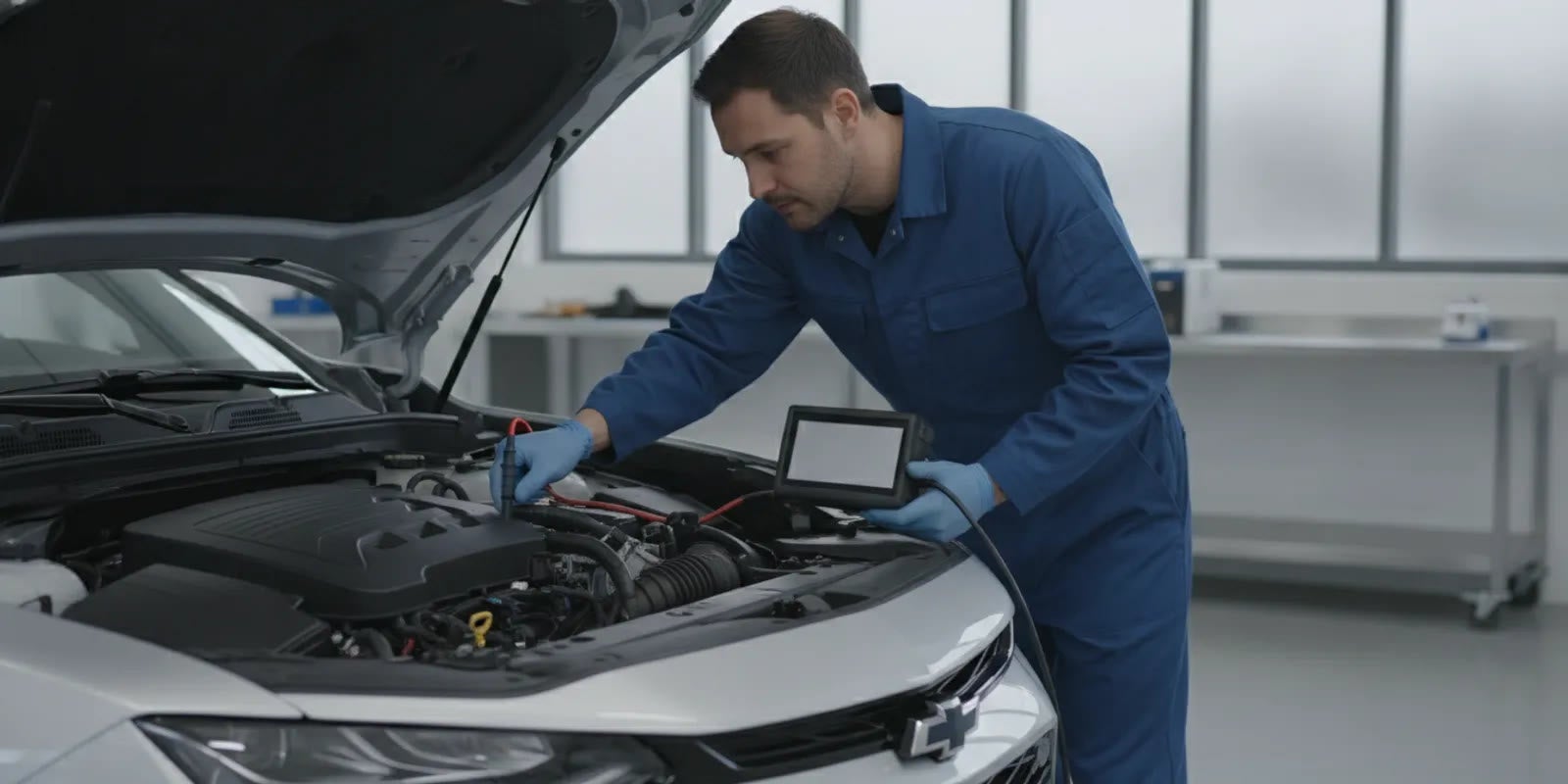
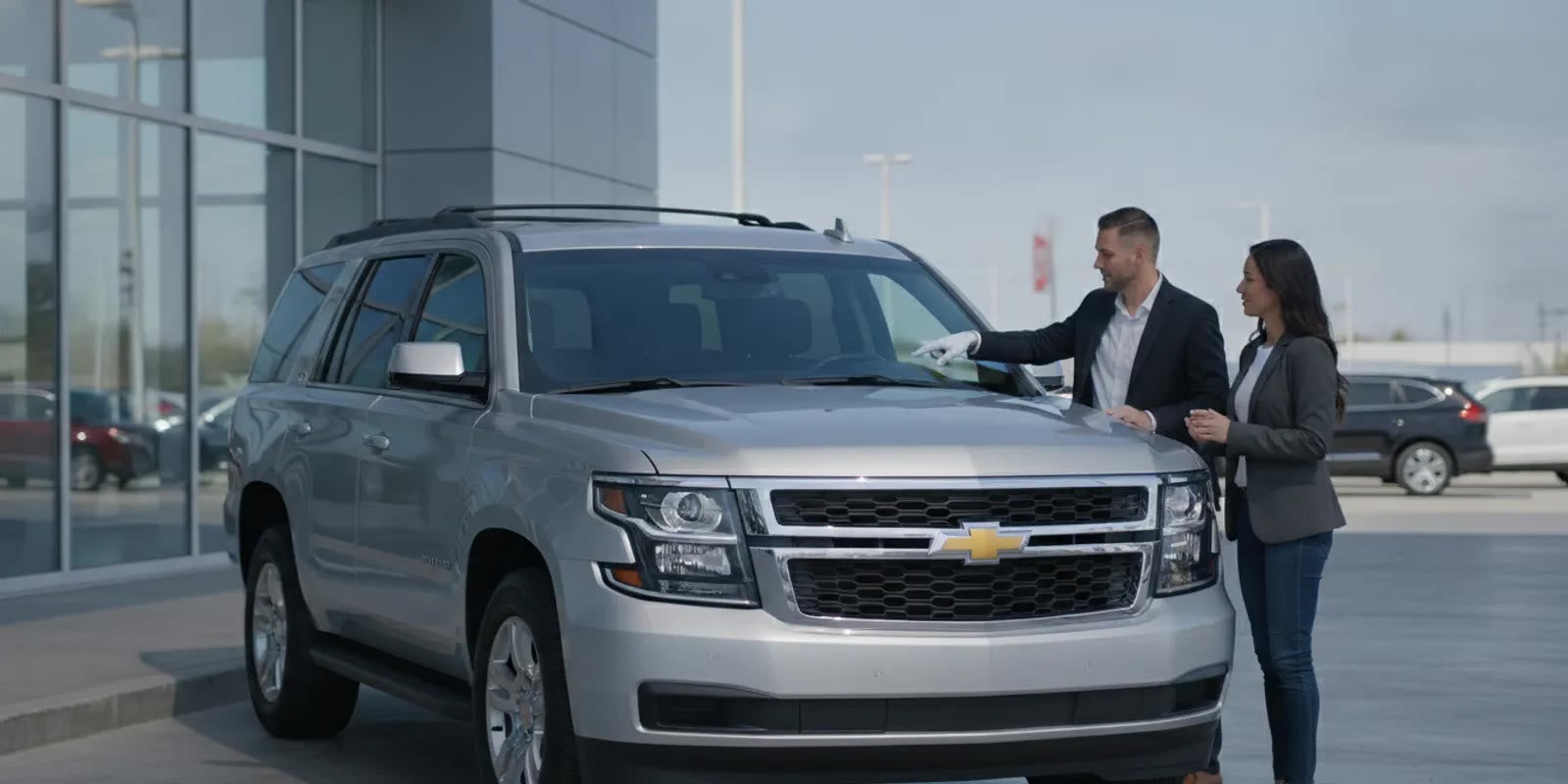
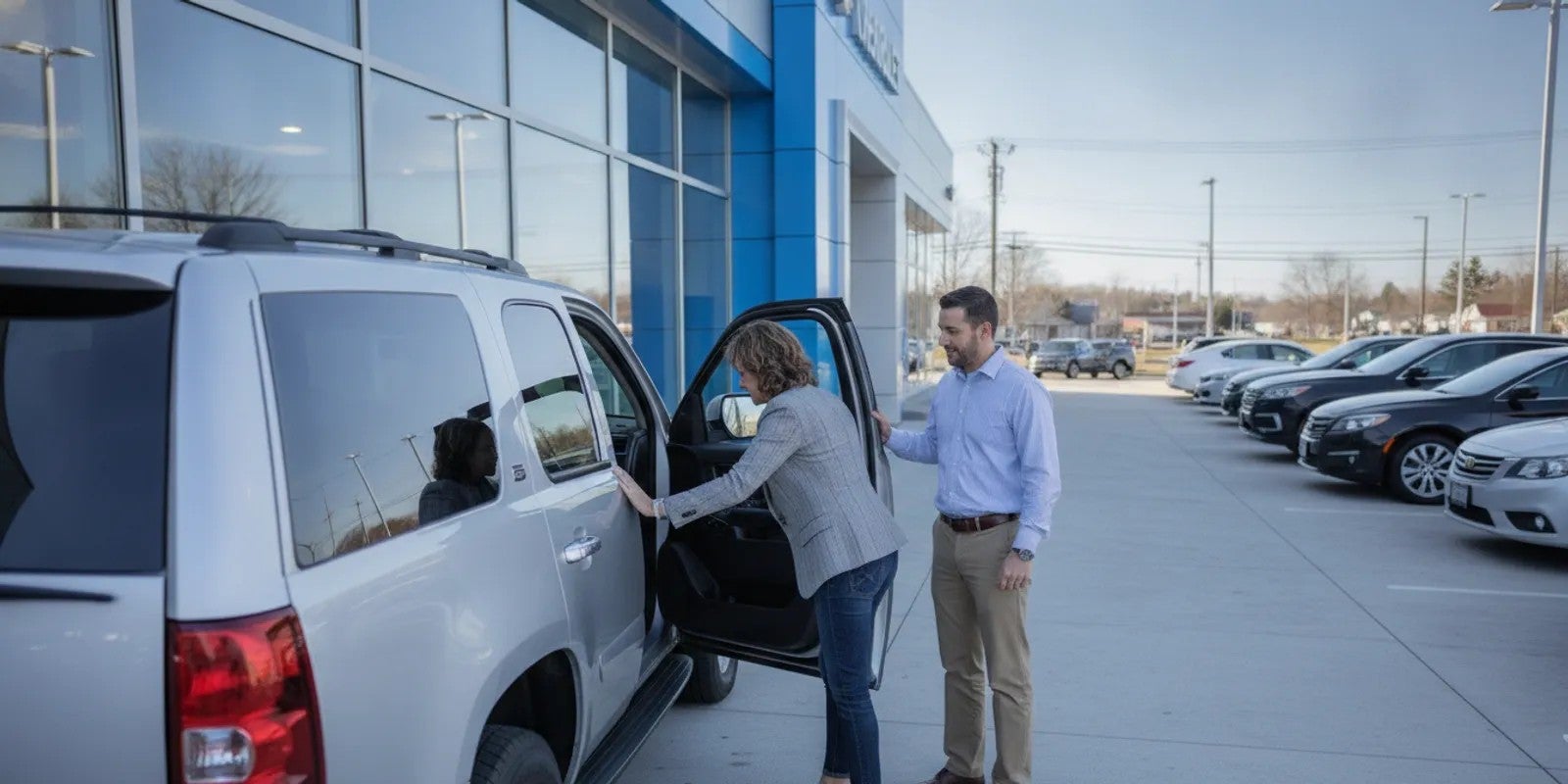
A shopper reviewing a pre-owned Chevrolet with a salesperson outside a dealership

Finding a used car dealership in Westchester County, NY is only the first step. The more useful question is whether a particular vehicle fits your routine, has information you can verify, and can be evaluated at a convenient pace. If you are comparing used Chevrolet vehicles near Westchester County, use a consistent process: define what you need, review the listing carefully, ask direct questions, and arrange a visit only when the details make sense.

Contact H & L Chevrolet

H & L Chevrolet is one Chevrolet dealership at 1416 Post Road in Darien, Connecticut. Westchester County is among the areas named in the dealership's market, but that does not mean it has another location there or promises vehicle delivery throughout the county. This guide is for shoppers who want to compare a local dealership option with other choices and make a well-prepared decision.

Start with what you need the vehicle to do

Before browsing listings, write down the jobs your next vehicle must handle. A vehicle that looks appealing online may be a poor match if it cannot accommodate your usual passengers, cargo, parking situation, or driving pattern. A short needs list makes comparisons more grounded and helps you avoid getting distracted by details that do not matter to your day-to-day use.

Think through a typical week rather than an unusual trip. How many people ride with you most often? Do you regularly carry sports equipment, groceries, work supplies, or luggage? Do you need a pickup bed, a higher seating position, or a smaller footprint for tight parking? Is most driving local, on highways, or a combination? Your answers can help you decide whether to focus on a car, truck, or SUV before you compare specific vehicles.

  • Passenger needs: Note who rides regularly and whether rear-seat access matters.
  • Cargo needs: Identify the largest items you carry and how often you carry them.
  • Driving conditions: Consider your commute, typical road types, and parking constraints.
  • Ownership priorities: Decide which convenience, comfort, and equipment features matter most.
  • Shopping boundaries: Set a realistic budget range and a list of acceptable compromises before visiting.

Separate essentials from preferences. For example, an essential might be enough room for a regular passenger or a specific cargo task. A preference might be a certain interior color or an optional feature. This distinction gives you a practical way to compare vehicles when no single listing meets every preference.

How can Westchester shoppers compare local dealership options?

A useful comparison is about the information and process available for the vehicle you are considering, not a broad claim that one dealership is automatically better than another. Look at the specific listing, the path to ask questions, and whether you can inspect and drive the vehicle before making a decision. For a shopper in Westchester County, travel time to a dealership in Darien may also be part of the decision.

Check the dealership's address and contact details on its own site. H & L Chevrolet identifies its store at 1416 Post Road, Darien, CT 06820. Use the dealership's hours and directions page to plan a visit, and confirm details before traveling if timing is important. The site's pages have shown conflicting phone information, so use the contact method shown on the current page you are consulting rather than relying on an old saved number.

For a vehicle-specific comparison, record what each listing actually says and what you still need to confirm. A model name alone does not establish the vehicle's condition, equipment, ownership history, or present availability. Nor does a search result prove that a vehicle is ready for a test drive. Treat the listing as a starting point for a conversation.

How should you review an online used-car listing?

Read the entire vehicle page rather than relying on its headline photo or a short search snippet. Note the year, model, trim if stated, mileage if shown, equipment details, and any vehicle identification details available. Then make a separate list of anything missing or unclear. If a detail affects whether you would travel to see the vehicle, ask about it before setting out.

Online inventory can change. A vehicle may be sold, reserved, or otherwise unavailable after a page was created or last updated. Do not assume that a model page or a search result proves current stock. Confirm the particular vehicle and its status directly with the dealership. H & L Chevrolet provides a route to browse pre-owned vehicles; use it to identify listings of interest, then ask the dealership to verify current availability and the details that matter to you.

When reviewing photos, look at the whole vehicle and the interior rather than only the most flattering angles. Photos can help you form questions, but they cannot replace an in-person inspection. If a listing has few images or does not show an area you want to assess, ask whether additional details are available. Do not interpret an unpictured area as either damage-free or damaged; it is simply an unanswered question.

Keep a simple record for each vehicle. Save the listing link and date you reviewed it, then note your questions and the answers you receive. This makes it easier to compare two or three options without mixing up their features or history.

What should you ask about condition and history?

Ask questions that invite a specific answer. Rather than asking only whether a vehicle is "in good shape," ask what inspection information is available and whether the dealership can explain any condition notes for that vehicle. Ask whether you can review the vehicle's available history information and what it does or does not establish. A history report can be helpful, but it is not a substitute for looking at the vehicle and asking about its present condition.

  • What condition information is available for this specific vehicle?
  • Can I review any history report or documentation associated with it?
  • Are there known issues, prior repairs, or items that need attention?
  • Which equipment and features are confirmed on this vehicle?
  • Can I inspect the vehicle and take a test drive before deciding?
  • What should I bring or arrange before the visit?

Listen for answers tied to the particular vehicle, not general statements about a model or dealership. If a response is unclear, ask for clarification in writing or ask to review the relevant information during your visit. You do not need to resolve every technical question before you see a vehicle, but you should understand what remains unknown and decide whether it is worth investigating further.

Some pre-owned vehicles may qualify for CarBravo program benefits, while others do not. Used does not automatically mean CarBravo. If a listing refers to a warranty, exchange option, or roadside assistance, ask whether that specific vehicle is eligible and review the applicable program terms. Do not assume benefits apply to every used vehicle or that a general program description guarantees a particular outcome.

How can you compare two vehicles fairly?

Use the same categories for each candidate. A simple worksheet helps you avoid comparing one vehicle's strongest feature with another vehicle's weakest detail. Fill in what you can verify, mark what needs confirmation, and leave unknowns blank rather than guessing.

Comparison pointVehicle AVehicle BWhat to confirm
Year, model, and trimRecord listing detailsRecord listing detailsConfirm the exact vehicle
Passenger and cargo fitAssess against your needsAssess against your needsCheck in person where useful
Condition informationNote what is documentedNote what is documentedAsk about gaps or concerns
Features and equipmentList confirmed featuresList confirmed featuresVerify on the vehicle
Availability and visit planAsk before travelingAsk before travelingConfirm status and timing
Overall fitCompare with your prioritiesCompare with your prioritiesDecide what trade-offs are acceptable

Do not let a single attractive feature decide the comparison if the vehicle does not suit your primary use. Likewise, do not reject an option because it lacks a preference you marked as optional. The worksheet is a decision aid, not a scoring system that can tell you what to buy. Your priorities determine how much each factor matters.

How should you think about budget?

Set a budget range before you begin shopping, and be clear about what your figure includes. A listing may not tell the whole story of the final transaction, and online information can change. Ask the dealership for current, vehicle-specific details and a written explanation of any charges or terms relevant to your decision. Do not treat an old advertisement, an unrelated listing, or a general estimate as the current total for a particular vehicle.

If you are looking for a pre-owned vehicle under $25,000, use that amount as a search preference rather than assuming a certain number of vehicles will meet it. Inventory and vehicle details change, and no reliable current count should be inferred from a general page. You can explore the dealership's vehicles-under-$25,000 page, then confirm whether a specific listing remains available and whether it fits your criteria.

Compare the same kind of figure across options. If one page shows a displayed amount and another gives a different type of estimate, ask what each includes before drawing a conclusion. Avoid choosing solely on an incomplete number. Condition, suitability, documented features, and the details of the transaction all belong in the decision.

Financing and trade-in decisions are separate parts of the shopping process. If you plan to trade a vehicle, gather its basic information and ask how the dealership evaluates it; an online estimate should not be treated as a final offer unless the dealer says so. If you want to discuss financing, request the terms and process directly. Do not assume eligibility, approval, or a particular payment from a general page.

How can you prepare for a focused test drive?

A test drive is more useful when you have a short list of things to learn. Choose the questions that matter most to your daily use, such as visibility, seating comfort, ease of entry, controls, or how the vehicle behaves on the kinds of roads you regularly drive. If you need to check child-seat access, cargo space, or parking fit, ask whether you can bring the relevant item or take the time needed to assess it safely.

  • Adjust the seat and mirrors before moving, and check visibility from your normal driving position.
  • Try the controls you expect to use often, such as climate and audio controls, while parked.
  • Notice ease of entry and exit for the people who will ride regularly.
  • Pay attention to comfort and noise on a route that includes familiar driving conditions, where possible.
  • After the drive, write down what felt suitable and what you still want to verify.

Ask about arranging a visit before traveling. H & L Chevrolet has a test-drive request page. A request is not the same as a confirmed appointment, so confirm the arrangements with the dealership. If you are traveling from Westchester County, this extra step can help you avoid making a trip based on an unverified assumption about availability or timing.

During a drive, concentrate on safe operation and the vehicle itself. Do not try to test every function while moving. If a warning light, unusual sound, or question arises, note it and discuss it with the dealership after stopping. You can ask whether additional inspection or information is appropriate before making a decision.

What should you ask before making a decision?

Once you have viewed and driven a candidate, pause and check that the key facts are clear. Confirm that you are discussing the same vehicle identified in the listing. Review the condition information and any unresolved questions. Ask for current transaction details in writing, and take enough time to understand them. If something important is still unclear, it is reasonable to wait until you have an answer.

Make a final checklist:

  • Have I confirmed the vehicle's current availability?
  • Do I understand its year, model, equipment, and condition information?
  • Have I asked about any listing details that were missing or ambiguous?
  • Did I assess the fit for passengers, cargo, and typical driving?
  • Have I reviewed the current transaction details rather than relying on an old figure?
  • Do I know which questions remain and who will answer them?

Buying a used vehicle does not require rushing through these checks. A clear answer to an important question is more useful than pressure to decide before you are ready. If a vehicle is not right for you, return to your needs list and compare another option using the same method.

How can you make an inquiry that gets useful answers?

A concise inquiry gives the dealership enough context to respond to the vehicle you mean. Include the listing or vehicle details, your main question, and whether you are hoping to visit or arrange a test drive. If you are comparing several vehicles, send a separate, clearly identified question for each one rather than combining details in a way that could cause confusion.

For example, you might ask: "I am looking at the pre-owned vehicle listed on your site as [year and model]. Is this specific vehicle currently available? I would also like to know what condition information and history documentation are available, and whether I can arrange a test drive." This is a practical starting point, not a script you must use. Add the questions that matter to your situation.

H & L Chevrolet offers a quick-quote request page for shoppers seeking vehicle-specific information. A quote request is not a confirmed appointment or a guarantee of availability. Keep the actions distinct: asking for information, requesting a quote, and booking a test drive are not interchangeable. State what you want so the dealership can route your question appropriately.

What does shopping from Westchester County to Darien involve?

H & L Chevrolet is located in Darien, Connecticut, rather than Westchester County. A shopper deciding whether to visit should consider the route and time involved, then confirm that the particular vehicle and visit plan make the trip worthwhile. Use the published directions and verify current details before setting out. The dealership's market includes Westchester County, but that should not be read as a promise of delivery or a separate Westchester store.

Prepare a short visit plan. Save the listing, write down your top questions, and bring any information you need to compare the vehicle with your current transportation needs. If you expect to evaluate cargo space or passenger access, think ahead about what you will need to check. Confirm the test-drive arrangement and vehicle status directly; an online request does not itself confirm either one.

If you cannot make a visit immediately, use the time to refine your questions and compare other listings. Do not rely on a screenshot or old page as proof that a vehicle is still available later. Recheck the live listing and contact the dealership when you are ready to move forward.

How do you compare a dealership with a private seller?

There is no single answer that fits every shopper. The right comparison depends on the specific vehicle, the information you can review, and the process you prefer. With any seller, ask direct questions about condition and history, verify details for the exact vehicle, and consider an appropriate independent inspection if you want one. A seller's general description is not a substitute for vehicle-specific evidence.

When comparing a dealership listing with a private-party vehicle, use the same worksheet and questions. Compare the vehicle's documented details, condition information, features, and your ability to inspect and test-drive it. Ask what transaction paperwork and terms will apply. A dealership setting does not remove the need to assess the particular vehicle, and a private seller's personal account does not by itself establish condition.

Think about convenience as well. Consider how you will coordinate a visit, what information will be available in advance, and how you prefer to handle follow-up questions. The goal is not to assume one route is universally superior. It is to choose a process in which you can understand the vehicle and make a decision that suits you.

What if you are considering a used Chevrolet?

For a used Chevrolet, focus on the exact model and vehicle rather than assuming that every example has the same equipment or condition. Chevrolet model information can help you understand what a vehicle name refers to, but a model page does not establish the equipment or availability of a particular pre-owned vehicle. Check the listing, inspect the vehicle, and ask the dealership to verify details tied to that specific unit.

If you are comparing a used Chevrolet with a vehicle from another make, keep the comparison practical. Does each candidate meet your essential needs? Can you verify the features you care about? Are your questions about condition answered clearly? A familiar brand can be one factor in your decision, but it should not replace a careful review of the actual vehicle.

Shoppers interested in other used makes can also check the dealership's pre-owned listings. The available mix may change, and there is no guarantee that a particular make or model will be present. Confirm the individual listing and ask about its details before planning around it.

How can you keep the process organized?

Use one note or document for your shortlist. Give each vehicle a separate entry with its listing link, date checked, details you verified, questions sent, answers received, and visit status. Record facts separately from impressions. "Rear seat felt comfortable" is your experience; "specific safety feature confirmed" should be based on a reliable listing detail or direct confirmation.

Set a reasonable limit on the number of vehicles you compare at once. Two or three well-researched options are often easier to evaluate than a long list of listings with incomplete notes. If none of those options works, widen the search deliberately: adjust a preference, consider another body style, or revisit your timing. Keep essential requirements intact unless your needs have genuinely changed.

Be careful with old notes. Inventory, listing descriptions, and transaction details can change. Before a visit or decision, confirm current information for the exact vehicle. This is especially important if several days have passed since you first reviewed the page.

What makes a fair used-car comparison?

A fair comparison begins with the same questions for each vehicle and separates verified facts from assumptions. It accounts for how the vehicle will be used, what information is available, and what remains unknown. It also recognizes that an online listing is a useful research tool, not a substitute for confirming availability and evaluating the actual vehicle.

For Westchester County shoppers considering H & L Chevrolet in Darien, the next step can be simple: browse the current pre-owned listings, identify a specific vehicle, and ask focused questions about its status, condition information, and visit options. If the details fit your needs, arrange a visit and test drive. If they do not, keep comparing without feeling obliged to proceed.

Browse pre-owned vehicles

Taking a consistent, unhurried approach can help you choose a used vehicle based on what you can verify and how well it fits your life.
Recommended Posts

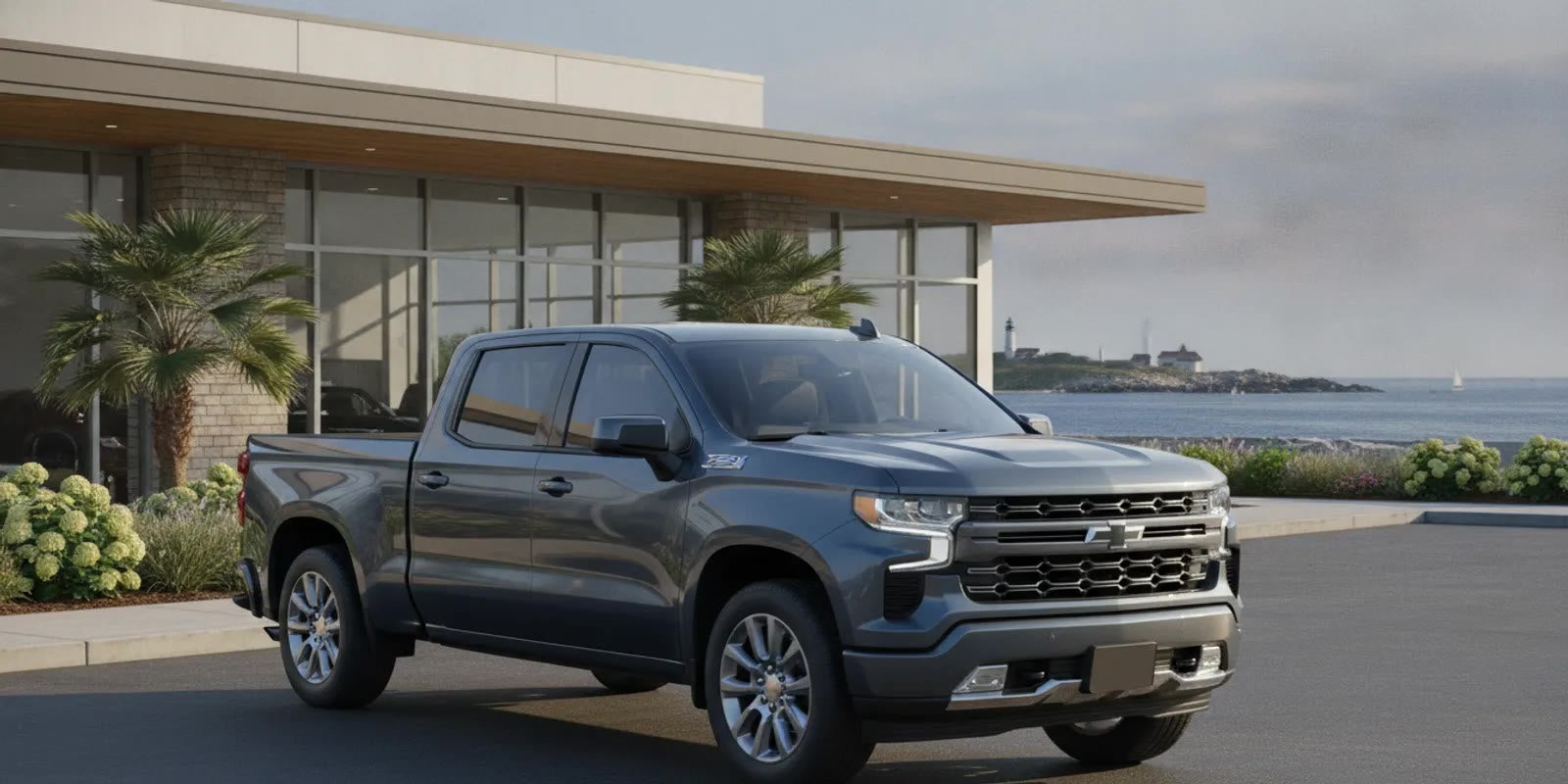
A new Chevrolet pickup parked outside a dealership on a clear day

Choosing a New Truck Dealership Near Bridgeport, CT: A Guide to New Truck Dealerships in Bridgeport, CT

Choosing a new truck dealership in Bridgeport, CT starts with more than finding a listing that looks right. Define the work and everyday driving the truck needs to handle, then compare how clearly a dealership can help you verify a suitable vehicle, its current details, and the next step. H & L Chevrolet is located in Darien and serves shoppers from nearby communities, including Bridgeport; this guide can help you prepare whether you contact a local dealer or widen your search. Request a quote Start with the job the truck needs to do Before comparing dealerships, put the truck's intended work into concrete terms. A pickup that mainly carries people and occasional home-improvement supplies has a different assignment from one used regularly for business, equipment, materials, or a trailer. If you skip this step, it is easy to focus on a familiar name or an attractive photograph without deciding whether the vehicle fits your actual routine. Write down the most common tasks, not just the largest or rarest one. Include the number of regular passengers, the kind of cargo you carry, where you park, the roads you use, and how often the truck performs demanding work. Note any trailer or equipment requirements, but do not guess at a vehicle's capability based on its model name. Capacity and compatibility depend on the exact vehicle and configuration. Ask a dealership to verify the relevant information for the specific vehicle you are considering. Separate must-haves from preferences. A must-have is something that would make a truck unsuitable if it were missing. Preferences are features you would enjoy but could compare against other priorities. This distinction keeps a search focused. It also gives a salesperson a practical starting point for identifying which details need checking, rather than inviting a broad conversation about every possible truck. People: How many passengers ride regularly, and how often do you need room for additional passengers? Cargo: What do you carry, how large or awkward is it, and does it need to remain protected? Work: Is the truck part of a business, and does the task require particular equipment or a specific setup? Travel: Will most driving be local, on highways, on job sites, or a mix? Storage: Where will you park, and are there limits on the space available? Use this list as a decision tool, not as a substitute for checking the vehicle. Conditions change, and a dealership should confirm exact vehicle details from current information before you treat a configuration as a match. You can revise the list as you learn, but make the reason for a change explicit. A clear requirement is more helpful than a vague request for a truck that is "good for everything." How should Bridgeport shoppers compare nearby dealerships? A dealership's location is one useful factor, but it is not the whole comparison. Shoppers in Bridgeport may contact dealerships in the city or consider stores in nearby communities. The right choice depends on whether the available process and vehicle conversation meet your needs. Compare details you can verify rather than relying on broad claims about selection, service, or convenience. Look at how easy it is to reach the right department, explain your intended use, and ask about a particular vehicle. Does the dealership make it clear how to request information or a quote? Can it distinguish a confirmed vehicle from a model or research page? Does the person responding understand which details need to be checked before you make plans? These practical signals help you judge the conversation without assuming that a particular store has a vehicle, configuration, or deal available. Make a short comparison sheet for each dealership you contact. Record the date, the vehicle or configuration discussed, what the representative confirmed, what remains uncertain, and the next action. Use the same questions at each store. This makes a comparison more useful than relying on memory or comparing different answers to different questions. You do not need to assign a score to every interaction; a note about what was clear and what was not is often enough. H & L Chevrolet is one Chevrolet dealership at 1416 Post Road in Darien, not a Bridgeport branch. Bridgeport is among the communities named in its local market, but a market reference is not a promise of delivery or a statement that a vehicle is available nearby. If you are considering the Darien store, account for that location in your plans and confirm vehicle details and arrangements directly. For some shoppers, a nearby dealership is the most convenient option. Others may be willing to consider a wider area if a particular vehicle or sales conversation is a better fit. You do not have to decide that in advance. Start with a clear description of the job, ask the same core questions, and compare the concrete information each dealership provides. Avoid treating one unanswered question as a complete assessment; ask whether it can be checked and when you should follow up. What information should you verify on a new-truck page? Online pages can help you narrow a search, but a model page and a vehicle listing are not interchangeable. A model research page can introduce a vehicle line. It does not establish that a specific truck is currently at a dealership. An individual listing may give more detail, but information can change. Confirm the exact vehicle and its status with the dealership before relying on it or travelling to see it. H & L Chevrolet's new Chevrolet vehicle search is a place to begin exploring new vehicles. Treat it as a shopping starting point. When a result interests you, ask the dealership to confirm that the specific vehicle is still available to discuss, and request the current details for that vehicle. Do not infer current inventory from a general page, a model description, a search result that you saw earlier, or an old saved link. When reviewing a listing, capture the identifying details shown and ask whether they refer to one specific vehicle. If a listing includes a VIN, use it when you contact the dealership so both of you are discussing the same unit. If you cannot find an identifier, provide the model and configuration details visible on the page and ask the representative to clarify. Do not assume that two listings with similar names represent identical vehicles. If several listings look alike, write down the details separately before asking questions. Confirm the information that matters to your decision, such as the vehicle's configuration, equipment, status, and the terms of any displayed offer. This article does not state current prices, rebates, fees, or inventory. Ask the dealership for current, vehicle-specific information and a written explanation of any applicable terms. If you are comparing more than one vehicle, keep the details for each separate so an answer for one listing is not mistakenly applied to another. A careful shopper also checks whether the next action is clear. A request for a quote is not the same as a test-drive request, an appointment request, or completing a purchase online. Choose the action that matches your actual question, then confirm what response or follow-up to expect rather than assuming that submitting one form completes every step. If a page or form does not explain what happens next, ask the dealership directly. Which new Chevrolet truck should you investigate? Start with the kind of truck that may suit the job, then verify whether a specific vehicle meets your requirements. H & L Chevrolet's customer information includes Chevrolet pickups such as Colorado and Silverado, including Silverado HD. Those names are useful starting points for a discussion, not proof that a particular model, trim, body style, powertrain, or equipment package is currently in stock. Think about the trade-offs you will actually notice. The truck may need to fit a worksite, carry a certain kind of load, accommodate passengers, or serve as a daily vehicle as well as a work tool. A configuration that works for one purpose can be less suitable for another. Cargo needs, passenger needs, parking limits, and towing requirements can pull a decision in different directions. The right answer depends on the exact vehicle and how you plan to use it. Do not make a decision from a model label alone. Ask for current information about the specific vehicle and compare its details against the must-have list you prepared. If a capability matters, ask the dealership to confirm it for that exact configuration and explain which vehicle information supports the answer. If the representative needs to check, let them do so before treating the point as settled. A general explanation may help you know what to ask, but it may not answer a configuration-specific question. When more than one truck could work, decide what you want to compare. It might be the space you need, the setup for a business task, the equipment included, or how a vehicle feels during a drive. Compare vehicles on the same criteria. Otherwise, you can end up comparing one truck's standard details with another truck's optional equipment or general model information with a specific listing. The goal is not to find a universally correct truck. It is to identify a vehicle whose verified characteristics match your priorities and whose compromises you understand. If no current listing appears to fit, ask what information the dealership needs to continue the search. Do not assume that a model shown on a research page is available to buy. It is reasonable to keep researching until the important details are clear. How can business buyers make the search more precise? A business truck search often involves more than one person's preferences. The person driving the vehicle may focus on daily use, while an owner, manager, or purchasing contact may consider how the truck supports the work. Gather those requirements before contacting a dealership, especially if the vehicle must serve a defined business task. This gives the first conversation a practical purpose and reduces the chance that a key constraint is raised only after a vehicle has been discussed. Describe the work plainly. Explain what the truck needs to carry or support, how it will be used, and which requirements cannot be changed. If the business needs a particular configuration, equipment, or coordination with another work process, state that early. The dealership can then respond to a real request rather than a vague description such as "a work truck." Ask which details need to be verified and who will confirm them. H & L Chevrolet has a commercial Chevrolet vehicle page for shoppers looking at trucks and vans. Its site describes a process for commercial quote requests and promises a reply within four business hours for internet commercial quotes. That is a stated response promise, not a guaranteed price, vehicle, appointment, or measured response rate. For a time-sensitive business need, make your requested timing clear and confirm the next step directly. Prepare the information a representative may need to understand the request: your business use, the type of vehicle you are seeking, any must-have configuration, and the best way to follow up. You do not need to claim certainty about a technical requirement you have not confirmed. Instead, identify it as a question. Clear uncertainty is more useful than an inaccurate assumption. If several people must approve the purchase, decide who will review vehicle details and who can speak with the dealership. Share a common list of questions so the conversation does not split into conflicting requests. Ask for material details in writing, especially when one person will relay the answer to colleagues. Before making a decision, confirm that everyone is reviewing the same vehicle and the same current information. If a requirement changes, tell the dealership and the other decision-makers rather than letting an old description stand. What questions are useful before you visit? A visit is more productive when the basic questions are settled first. You do not need to have every detail resolved before speaking with a dealership. You do need to know which answers affect whether a trip makes sense. Ask direct questions, and keep a note of what is confirmed versus what still needs follow-up. Can you confirm the specific vehicle or configuration I am asking about? Is the information on this page current for that vehicle, and what details should I verify in person? Can you confirm the equipment or capability that matters for my intended use? What is the right way to arrange a test drive for this vehicle? What should I bring or prepare if I want to discuss a quote? Who should I contact if a question remains open before my visit? What is the dealership's current location and the best way to confirm visit arrangements? Be specific about the answer you need. "Is this a good truck for work?" leaves a lot open. A more useful question names the job and the detail you need verified. Explain what the truck will carry or how it will be used, then ask which exact vehicle details address that requirement. The dealership may need to check rather than give an immediate answer. That is a reason to wait for confirmation, not to fill in the gap yourself. For a test drive, ask whether the requested vehicle can be arranged for a drive and what the dealership needs from you. A test-drive request is a request to discuss a drive; it is not itself a confirmed appointment. Check the date and details with the dealership before you set your schedule around it. For a quote, make clear which vehicle you mean and whether you are asking about one specific listing or a general configuration. If something in a written response is unclear, ask the dealership to explain it. Do not compare a quote for one truck with a different vehicle's listing or assume that a past response remains current. Keep a note of who is answering an open question and what next step they described. This makes it easier to resume the conversation without relying on memory. How should you plan a visit from Bridgeport to Darien? If you are considering H & L Chevrolet, account for the fact that its dealership is in Darien. The store address is 1416 Post Road, Darien, CT 06820. That is a specific location, not a Bridgeport storefront. Check the address and confirm your plans directly before leaving. Do not rely on a town name in a search phrase or a general market description as a substitute for directions or a confirmed visit. First decide what you want to accomplish. You may want to inspect a particular truck, discuss a work need, compare vehicles, or take a test drive. Each purpose calls for a slightly different preparation. If you are going to look at one listing, contact the dealership beforehand with the vehicle identifier or page details. If you want to compare a few possibilities, say so and ask how to make the visit useful. Before travelling, confirm that the vehicle or person you want to speak with can be available for the intended conversation. Do not assume that a form submission automatically reserves a vehicle or confirms an appointment. Ask what has actually been arranged and what remains pending. If plans change, contact the dealership rather than assuming the original information still applies. Bring your notes, a list of must-haves, and any questions that could not be resolved remotely. If you are shopping for a business, include requirements gathered from the people who will use or approve the vehicle. If you are comparing trucks, keep each one on a separate note page and write down the identifying information. This helps avoid mixing details when several vehicles or configurations are discussed. Think through the route and timing using current directions and the dealership's confirmed arrangements. This guide does not state store hours, travel times, or road conditions. Confirm those details from current sources before you set out. Allow time for a conversation rather than expecting every question to be answered in a brief stop, particularly if a representative needs to verify a vehicle-specific detail. What should you assess during a test drive? A test drive is a chance to decide whether the particular truck feels suitable for your real use. It is not a replacement for checking specifications or confirming the vehicle's details. Before the drive begins, make sure you and the dealership are discussing the vehicle you intended to see. Ask about any feature or capability you need to understand, and separate what you can experience directly from what requires documentation or confirmation. Use the drive to evaluate your own comfort and priorities. Notice seating position, visibility, entry and exit, how the controls feel to you, and whether the cabin works for the people who will ride in it. Consider the roads and driving conditions you encounter regularly. A short drive cannot reproduce every work or travel situation, but it can help you identify questions that a photograph or description did not answer. If the truck will support business work, relate your observations to the intended job. Think about where the vehicle will be driven and parked, who will use it, and what practical tasks should be considered before purchase. Do not attempt an unsafe demonstration or treat a drive as proof of a towing or payload specification. Ask the dealership to verify capabilities for the exact vehicle and consult the appropriate vehicle information. After the drive, write down what worked and what did not. Ask follow-up questions while the vehicle is in front of you, but do not feel pressured to resolve every decision immediately. If a detail needs research, ask who will confirm it and when you should follow up. A clear open question is better than a guess recorded as a fact. If there is no suitable vehicle available to drive at that time, ask what alternatives the dealership can discuss. A drive in a different model or configuration may help with some general preferences, but it does not prove that another vehicle has the same equipment or behavior. Be clear about what the experience did and did not tell you. How should you compare two trucks without mixing up details? When you compare two possible trucks, use the same checklist for each. Start with the needs that matter most, then compare the exact vehicle details that have been confirmed. Keep model-level research separate from VIN-specific information. If a feature, capability, or piece of equipment has not been verified for one truck, mark it as unknown rather than assuming it matches the other vehicle. A practical comparison can be a written note with four headings: requirement, vehicle A, vehicle B, and follow-up. Under each requirement, record the confirmed answer and where it came from. Put unresolved questions in the follow-up column. This format prevents a persuasive conversation or an appealing photo from obscuring a missing detail. Compare the whole use case, not one isolated feature. A truck might appear to satisfy one work need but create a trade-off for parking, passengers, or everyday driving. Decide which compromises you can accept before you settle on a favorite. If the truck will be used by multiple drivers, invite them to identify their own practical concerns before the decision is final. Also compare the shopping process. Did the dealership explain what was verified and what remains uncertain? Was the next action clear? Did the quote or response refer to the vehicle you asked about? These questions do not establish that one dealership is universally better. They help you choose the process that gives you enough reliable information to make your decision. Revisit your original list after you have more information. Sometimes a must-have turns out to be a preference, or a seemingly minor requirement proves essential. Updating the list is reasonable as long as you understand why it changed. The point is to make a deliberate decision based on your actual priorities, not to follow the path of least resistance. How do trade-ins and financing fit into the truck search? A trade-in or financing discussion can be part of a vehicle purchase, but it should not replace choosing and verifying the truck. Keep the questions separate. First identify the vehicle that fits your needs and confirm its current details. Then ask about the separate trade or financing steps you want to explore. This makes it easier to understand each answer and to avoid treating an early estimate or an inquiry as a completed transaction. If you have a vehicle to trade, gather accurate information about it and ask how the dealership handles an appraisal or trade discussion. H & L Chevrolet has a trade-in information form. Submitting information to start a conversation does not establish a final trade value. Ask what process applies, what information is still needed, and whether an in-person assessment is part of the next step. If you want to discuss financing, keep that request distinct from a request for a vehicle quote or a test drive. H & L Chevrolet provides information about financing options. A page or preliminary inquiry does not establish approval or final terms. Ask the dealership or relevant provider to explain the current process and the information needed for your circumstances. Do not treat a general example or estimate as a commitment. For a business purchase, you may also need to coordinate the vehicle discussion with your organization's own purchasing and recordkeeping process. Ask what paperwork or information the dealership needs, and confirm which person should submit it. Do not send sensitive information through a channel unless you have verified that the channel is appropriate for the request. Keep a copy of any written response and note its date and the vehicle it concerns. Terms and vehicle information may change, so confirm current details when you are ready to act. If an answer is not clear, ask for clarification before making a decision based on it. How can you make the first dealership conversation useful? A productive first contact can be concise. Introduce the purpose of your search, share the most important requirements, and identify the vehicle or type of truck you want to discuss. Then ask the question that will help you decide what to do next. You do not need to provide an entire purchase history or a long list of hypothetical features before the dealership can understand the initial request. For example, a personal shopper might say they are looking for a new Chevrolet pickup for regular driving and occasional home projects, then ask which current vehicles to review. A business shopper might describe the work task, the configuration requirement that matters, and the information they need confirmed. These are starting points, not promises that a particular truck is available or suitable. Use a channel that fits your immediate need. If you want to discuss a specific vehicle and request pricing information, use the dealership's quote request page. If you want to explore vehicles first, use the new-vehicle search. If you want to arrange a drive, make a distinct test-drive request and confirm the plan with the dealership. An inquiry about information should not be assumed to complete a separate request. When you contact the dealership, include a way for the team to identify the page or vehicle you mean. Mention any critical timing, but do not assume a particular response time unless it has been stated for that specific request. Ask what the dealership needs from you and what the next step will be. If the answer is that someone must check a detail, make a note to wait for that confirmation. Good communication works both ways. If your needs change, update the representative. If you receive an answer about a different vehicle than the one you asked about, restate the identifier and ask them to confirm. A short clarification can prevent a misunderstanding from carrying through to a visit or a later decision. What should you watch for in online truck research? Online research is most useful when you treat each page according to what it can actually tell you. A general model page can help you learn what to ask. A current vehicle listing can help you identify a specific truck to discuss. A quote or contact form can begin a conversation. None of those, by itself, answers every question about present availability, final terms, or suitability for your work. Look for clear distinctions between a model overview and a specific vehicle. Confirm the page date or identifying information where available, and ask the dealership to verify anything that affects your plans. If a result appears in a search engine or an old bookmark, revisit the dealership's current shopping pages rather than relying on a saved snippet. Search results can retain information after the underlying details change. Be cautious with copied listings, third-party summaries, and social posts that do not make the source or date clear. They can be useful leads, but confirm consequential details directly with the dealership. Avoid making a vehicle decision from a headline or a single image. The details that matter to you may not appear in a short preview. Do not treat a broad phrase such as "new trucks near Bridgeport" as proof of a store's location, delivery area, or inventory. Check the dealership address and what the business says about its market. H & L Chevrolet's Darien location is distinct from Bridgeport, even though Bridgeport shoppers are included among the local audience named in the customer information. This distinction helps set realistic expectations before you contact the store. Finally, keep your own notes current. Record which page you used, when you checked it, and what the dealership confirmed. If the listing changes or the conversation takes place later, ask again. A simple date next to a note can help you distinguish current information from an earlier stage of the search. What if you are shopping for a used truck instead? This guide focuses on a new truck dealership and new Chevrolet shopping. If a pre-owned truck may suit your needs, treat that as a separate search. A used vehicle's condition, history, equipment, and eligibility for any program need to be checked for the particular vehicle. Used does not automatically mean it has a certification or program benefit. H & L Chevrolet provides a separate used vehicle search. Use it to explore pre-owned options, then confirm the specific vehicle's current details and condition directly. If you are comparing a new truck and a used one, do not compare only their labels. Use the same list of job requirements and verify the facts that apply to each vehicle separately. Some shoppers set a budget range before they compare. That can help narrow choices, but current prices and offers must be confirmed for the vehicle and time of purchase. This article does not state current prices, rebates, or fees. Ask for an up-to-date explanation in writing and make sure you understand what vehicle and terms it covers. If your main priority is a new Chevrolet truck, stay with the new-vehicle search and ask about the exact configuration that interests you. If your priority is finding a truck that meets the work at a chosen budget, ask the dealership which new or used paths it can discuss. The decision should follow your requirements and verified information, not an assumption that one category is always the better value. How do you decide whether a dealership is the right fit? After you have compared vehicles and spoken with one or more dealerships, review the quality of the information you received. Did the representative understand your use case? Were vehicle-specific questions answered or clearly marked for follow-up? Did you receive a clear next step? Could you distinguish what was confirmed from what was still being checked? These are practical ways to assess the shopping experience without relying on unverified superlatives. Consider how the process fits your own needs. A shopper who has one clear listing in mind may care most about confirmation and a test drive. A business buyer may need a discussion about a configuration and a coordinated quote. Someone still comparing truck types may need help identifying which information to research. Tell the dealership what stage you are at and look for an answer that addresses that stage. Keep unresolved issues visible. If a key capability, piece of equipment, vehicle status, or term is still unknown, do not let the ease of the next step make the uncertainty disappear. Ask who will confirm it and what information you should review. You can pause a decision until the answer is clear. It is also reasonable to decide that you need another conversation or another comparison. A vehicle purchase is a significant choice, and a direct question is usually more useful than guessing. If the dealership cannot verify a detail immediately, ask when and how to follow up. If the answer does not address your actual question, restate it plainly. For a Bridgeport-area shopper considering H & L Chevrolet, the decision includes both the truck and the trip to a dealership in Darien. Review the vehicle information, confirm what can be discussed or arranged, and decide whether the next step makes sense for you. There is no need to treat a search result or an initial contact as a commitment to buy. How should you review a quote or written vehicle details? A written response is easier to use when you check exactly what it covers. Start by matching it to the vehicle you asked about. If the response names a particular listing, compare its identifying details with your notes. If it describes a general model or configuration instead, do not assume it applies to a specific truck. Ask the dealership to clarify the scope before using the response to compare options. Read the explanation from top to bottom and note what is included, what is conditional, and what is not addressed. If a term is unfamiliar, ask what it means in this specific context. Do not infer that a quote includes an item or condition that is not stated. If a displayed offer or other term is mentioned, ask the dealership to explain the current details and any conditions that apply to the vehicle and the transaction. When comparing written information from two stores, line up equivalent items. The same vehicle, configuration, date, and request should be compared as closely as possible. A response about a different truck or a different point in time may not be a useful side-by-side comparison. If one answer is incomplete, mark the gap and request clarification rather than filling it in with an assumption. Keep the written response with your vehicle notes and record when you received it. If time passes, the listing changes, or you are ready to act later, confirm that the information remains current. A note from an earlier conversation can help you remember what was discussed, but it should not be treated as a current commitment without confirmation. Finally, distinguish a quote from other purchase steps. Asking for a quote does not itself arrange a test drive, reserve a vehicle, or complete a purchase. If you want to take another action, ask how to make that separate request and how the dealership will confirm it. A clear understanding of each step helps you avoid planning around something that has not yet been arranged. What if you cannot find a truck that matches your needs? If the current search does not show a suitable truck, first check whether the problem is the vehicle itself or missing information. You might be looking for a configuration that is not easy to identify in a short listing, or you might have a requirement that has not been discussed yet. Write down the exact gap. Then ask the dealership whether it can clarify the information or whether the current options do not meet that requirement. Be careful not to turn a model name into an assumption about a specific setup. If your need depends on equipment, capability, or a particular configuration, explain that directly and ask what evidence or vehicle information will confirm it. A representative may need time to check. Until the answer is clear, keep that requirement marked as unresolved and do not treat a nearby model or a different configuration as equivalent. You can also revisit the priorities you set at the beginning. Decide whether a stated must-have is truly essential or whether there is another way to meet the underlying need. For instance, a business may be able to consider a different work process, while an individual shopper may be able to adjust a preference. Do not change a requirement solely to make a listing appear to fit; understand the practical consequence before revising your list. If a different vehicle category might work, broaden the search deliberately. H & L Chevrolet's commercial page includes trucks and vans, while its new-vehicle search covers new Chevrolet vehicles. A different category may prompt useful questions, but it is not automatically a substitute for the original truck. Compare it against the same real-world task, and confirm the vehicle-specific details before deciding that it meets the need. It is also reasonable to pause and continue the search later. Ask whether there is a defined next step or whether you should check back after a period of time; do not assume that a vehicle will become available by a particular date. Keep your notes so you can resume without repeating the entire process. The right choice is a verified fit, not simply the first result that appears. How can you keep a truck search organized? A truck search can stretch across several conversations, especially if you are comparing vehicles or coordinating a business decision. Keep one record for the search rather than relying on separate browser tabs, saved texts, or memory. Include the date, the dealership, the specific vehicle or model discussed, the question you asked, and the answer you received. Add a short note about what still needs confirmation. This gives you a reliable starting point when you resume the search later. Use a simple status for each open item: confirmed, waiting for an answer, or not yet checked. Do not mark something confirmed just because it appeared on an old listing or because a similar vehicle had that feature. Record who is expected to follow up and how you will reconnect. If there is no agreed timing, ask the dealership what is reasonable rather than assuming a response date. If you are shopping with another person, agree on the main requirements before you visit. One person may be focused on how a truck drives, while another may care most about work tasks, passengers, or parking. Each concern deserves a place in the conversation. Decide in advance which requirements are essential and which can be weighed against other benefits. That can make the visit focused without forcing you to make a decision on the spot. After a conversation, send a brief clarification if an important point remains ambiguous. Restate the vehicle and the question, then ask for the detail you need. If the answer changes your shortlist, update your notes and share the new information with anyone involved in the decision. Keep old answers marked with their dates rather than deleting them; that helps distinguish an earlier status from a current confirmation. A useful shortlist should be short enough to compare carefully. For each candidate, note how it meets the must-haves, which preferences it satisfies, and what remains uncertain. If a candidate fails an essential requirement, write down why. If you keep it on the list pending confirmation, make that status explicit. This makes it easier to move on from a vehicle that does not fit, while avoiding premature conclusions about one that might still work. Finally, choose the next action based on the question that remains. You might need a vehicle-specific confirmation, a quote, a test drive, or more time to compare. Avoid submitting several different requests simply because their names sound similar. State what you want to do and confirm whether the dealership has received or arranged that particular request. Find a clear next step for your truck search Before you contact a dealership, summarize your search in a few lines: what the truck needs to do, which requirements are essential, what vehicle or model you want to discuss, and which question you need answered first. If you are interested in a specific listing, include the identifying details. If you are still exploring, say so. A clear request helps keep the conversation focused and gives the dealership a chance to identify what needs verification. H & L Chevrolet's new-vehicle search is a starting point for exploring Chevrolet vehicles, while a quote request is a separate way to ask about a vehicle. For a visit to the Darien store, confirm the vehicle and arrangements directly before making the trip. Bridgeport shoppers can compare local options and consider the dealership that gives them the information and process they need. Schedule a test drive Frequently asked questions Is H & L Chevrolet located in Bridgeport? No. H & L Chevrolet is located at 1416 Post Road in Darien, Connecticut. Bridgeport is among the communities named in its local market, but that does not mean the dealership has a Bridgeport location or promises delivery there. Can I tell from a model page whether a truck is in stock? No. A model page can provide a place to begin research, but it does not establish that a particular vehicle is available. Check the current new-vehicle search and ask the dealership to confirm the specific truck and its status. What should I bring when I visit a dealership? Bring your questions, a short list of must-haves, and the identifying details for any vehicle you want to discuss. Business shoppers should also bring the requirements gathered from the people who will use or approve the truck. Confirm the visit arrangements and vehicle details beforehand. Does a test-drive request confirm an appointment? A request is a way to ask about arranging a drive; it is not, by itself, confirmation that a time or vehicle has been reserved. Contact the dealership and confirm the arrangements before planning around them. How do I compare a new truck with a used truck? Use the same list of needs for both, but verify each vehicle's details separately. A used truck's condition and history are specific to that vehicle, while a model overview is not proof of a new vehicle's availability. Ask the dealership to clarify any detail that affects your decision. A well-prepared search gives you a better basis for choosing a truck and deciding where to shop. Define the job, verify the vehicle-specific details, and take the next step only when it fits your needs.

A shopper carefully examines a pre-owned vehicle outside a Connecticut dealership.

How to Compare Used Car Dealerships Near New Canaan, CT | Used Car Dealership in New Canaan, CT

If you are looking for a used car dealership in New Canaan, CT, compare more than search results: consider how clearly each dealership can help you evaluate a particular vehicle. A sound decision connects your daily needs with vehicle details, condition information, documents, and a test drive. H & L Chevrolet is located in Darien and serves shoppers from New Canaan and nearby communities. Contact the dealership Start with the job your next vehicle needs to do Before comparing dealerships or clicking through a long list of vehicles, describe an ordinary week. How many people usually ride with you? What do you carry? Are most trips short and local, or do you spend substantial time on highways? Where do you park at home and at work? The answers help turn a broad search into a useful set of requirements. Think in routines rather than exceptional days. A vehicle may need room for a child seat every day, sports equipment twice a week, groceries on weekends, and luggage only a few times a year. Identify which of those needs are non-negotiable and which are occasional. This will help you compare actual usefulness instead of favoring a vehicle because one feature sounds appealing in a listing. People: Count regular passengers, and consider whether child seats, a booster, or mobility equipment must fit at the same time. Cargo: Name the largest things you routinely carry. Consider the shape and opening of the cargo area, not just its general size. Driving pattern: Write down the balance of local errands, commuting, highway driving, and longer trips. Parking: Take into account a garage, driveway, narrow street, or space where maneuvering and visibility matter. Features: Separate required equipment from features that would be pleasant but are not essential. A written list makes it easier to say no to a vehicle that does not fit, even if it looks attractive online. It also gives you a consistent way to discuss your needs with more than one dealership. Keep the list short enough to refer to during a visit. If it becomes a catalog of every feature you have ever considered, mark the few requirements that truly determine whether the vehicle works for you. How should a New Canaan shopper compare dealerships? A useful comparison is not just a ranking of businesses. It is a way to decide whether a specific vehicle and the information available about it deserve more of your time. Start with the dealership’s process for identifying a vehicle, checking whether it can be viewed, reviewing available details, arranging a test drive, and getting questions answered. Those steps matter whether you found a vehicle through a search page or heard about it another way. Pay attention to clarity. Can you tell which vehicle the conversation concerns? Does the answer distinguish confirmed information from details that still need to be checked? Is it clear what you should do next? Clear, specific answers help you make a decision. A listing that is detailed in one area but silent in another is not necessarily a bad choice; it is a reason to ask a focused follow-up rather than fill the gap with an assumption. H & L Chevrolet has one reported physical dealership at 1416 Post Road in Darien. New Canaan is part of its stated market area, not a separate H & L Chevrolet location. You can begin with the dealership’s used vehicle search, then verify the particulars of any vehicle that interests you before planning a visit. A search result is a research starting point, not a guarantee that a particular vehicle remains available or will meet your needs. Keep your own comparison notes neutral. Instead of writing that one dealership “seemed better,” record what was answered, what remains unknown, and what the next step would be. This gives you a concrete basis for deciding where to spend time and which vehicle merits closer review. Turn everyday needs into a short vehicle checklist Once you know what the vehicle must do, turn those needs into things you can verify in a listing or in person. For passenger space, note the number of seats you need and bring the people or equipment that can help you check the arrangement. For cargo, identify whether you need a flat floor, a wide opening, a low lift-over point, or a way to fold or move seats. For parking, consider the size of the space where the vehicle will live and how easily you can see around it. Use three categories: required, preferred, and irrelevant. A required item can eliminate an otherwise appealing vehicle. A preferred feature can help distinguish two vehicles that both meet your basic needs. An irrelevant detail should not take time away from questions that affect fit, condition, or ownership. These categories are personal; there is no universal checklist that can tell every shopper which features matter. For example, a household that regularly travels with several passengers may prioritize access to the rear seating area and enough room for everyone’s usual belongings. A driver who mostly commutes alone may place more weight on seating comfort, visibility, and ease of parking. Someone who carries bulky equipment should check the dimensions and shape of the cargo opening rather than assume that a vehicle with a larger-looking exterior will be more practical. Those examples are prompts, not conclusions about any particular model. When a detail is important, verify it on the exact vehicle. Model names and trim descriptions can cover different equipment, and used vehicles may have different histories and configurations. Ask the dealership to confirm the feature on the vehicle you are discussing, and inspect or operate it during a visit when appropriate. Mark information that has not been confirmed as “unknown” on your notes. How can you compare online listings without assuming availability? Online listings are useful for narrowing a search, but a page can be incomplete or may no longer reflect the current status of a vehicle. Inventory changes, and photos or descriptions cannot answer every question about condition or equipment. Before traveling, contact the dealership and identify the exact listing you mean. Ask whether that vehicle is currently available to view and what information has changed since the listing was posted. Use more than a broad model name to identify the vehicle. Record the year, make, model, trim if listed, and the listing identifier or vehicle identification number (VIN) if it is provided. Share those details when you ask a question. This reduces the risk of discussing a similar vehicle instead of the one you reviewed. If a listing changes or disappears, ask whether the vehicle’s status has changed rather than relying on an old screenshot or a search-engine preview. Read listing details in a disciplined way. Write down what is explicitly shown, what is missing, and what you need to confirm. A photo may show an object or feature without establishing that it is included or in working order. A description may not answer a question about wear, previous repairs, or documentation. Treat gaps as questions, not proof for or against the vehicle. If you are comparing several listings, keep one row of notes per vehicle. Record the source and date you viewed the information, the identifying details, the questions you asked, and the answers you received. If a detail changes, update the note and keep the earlier information marked as out of date. That small habit can prevent confusion when several vehicles have similar names or features. What should you ask about a used vehicle’s condition and history? Condition belongs to the individual vehicle, not just its model or age. Ask what history, inspection, and condition information is available for the particular vehicle. Request explanations for terms you do not recognize. If you have a concern about a particular area, say what you noticed and ask what information can address it. The purpose is to understand what is known and what remains uncertain before you decide. A vehicle-history report may provide background, but it should not be treated as a complete record of everything that has happened. A report may not capture every event or repair. Similarly, an exterior that looks clean does not by itself establish the condition of the vehicle’s mechanical systems. Combine the information you can review with a careful walkaround, a test drive, questions, and, if it is part of your decision, an independent inspection. During a walkaround, take your time and look in good light if possible. Check the exterior from more than one angle. Look at the interior, storage areas, visible wear, and the condition of items you will use often. Note questions about warning lights, keys, repairs, equipment, or anything that seems inconsistent with the listing. You are not expected to diagnose the vehicle; make a list of what you observed and ask for an explanation. What condition information is available for this exact vehicle? Can I review vehicle-history details and any available inspection records? Are there repairs, wear items, or features I should understand before a test drive? Can I arrange an independent inspection before making a decision? Which documents will be available to review as part of the purchase discussion? Listen for whether the answer is about the specific vehicle or only about its model in general. If an answer does not resolve your concern, ask a more precise follow-up. You can also make a note to verify the point through an inspection or another appropriate source. There is no need to convert an unanswered question into a conclusion: keep it open until you have enough information to decide how important it is. Compare information consistently with a simple worksheet When you visit more than one dealership or consider more than one vehicle, use the same questions each time. Otherwise, one vehicle may appear more appealing simply because you asked more questions about it or remember its details more clearly. A worksheet does not have to produce a numeric score. Its job is to keep facts, open questions, and personal impressions separate. Comparison area Question to ask What to record Identity Which exact vehicle are we discussing? Year, make, model, trim, and listing ID or VIN if available. Availability Can I confirm this vehicle is available to view? When you checked and the answer given. Fit Can I test the seating, entry, visibility, and cargo arrangement? What worked for your actual routine and what did not. Condition What history, inspection, and condition details can I review? Documents seen, explanations received, and remaining questions. Test drive How can I arrange to drive this vehicle? Whether you drove it and the observations to discuss. Documents What purchase documents and vehicle details can I review? Which documents are available and what needs clarification. Next step What action do I want to take after reviewing the answers? Follow-up, another visit, independent review, or no further action. Do not let the worksheet imply that every answer has equal importance. An unknown about a feature you never use may not matter. An unknown about a requirement that determines whether the vehicle works for your family may be central. Add a column for “importance to me,” or simply mark each open item as essential, useful, or low priority. The purpose is to make your own priorities visible, not to judge a dealership by a formula. When comparing dealerships, note the quality of the process separately from the vehicle itself. Were your questions understood? Were you given a clear next step? Did the information distinguish confirmed details from unconfirmed ones? A helpful process can make research easier, but it cannot replace your evaluation of the specific vehicle. How do you consider budget without relying on incomplete figures? Set a spending boundary that is realistic for your household before you begin visiting dealerships. Keep that boundary private if you prefer, or use it to explain what kind of vehicle you are seeking. When discussing a particular vehicle, request its current transaction details and review the relevant documents directly. Do not rely on an old screenshot, a search preview, or a number remembered from a different listing as a current figure. Separate the vehicle’s purchase discussion from the broader costs of owning and using it. Depending on the vehicle and your circumstances, you may want to research insurance, fuel or charging, routine maintenance, tires, registration, and other expenses. Those amounts vary by driver, vehicle, use, and location. Gather information relevant to your own situation rather than assuming a general statement applies to you. For a shopper looking below a chosen ceiling, treat the budget as a filter to investigate, not as a promise that a certain quantity of vehicles will meet it at any given time. Listings and vehicle details can change. Confirm the current information for the exact vehicle, and consider whether it meets your must-haves before spending time on a visit. A low initial figure cannot answer questions about fit, history, condition, or the rest of the transaction. A useful budget conversation has a few distinct parts. First, identify the vehicle you are discussing. Next, ask for current details and clarify what is included or still to be reviewed. Then take time to understand the documents rather than making a decision from a short verbal summary. If a term or figure is unfamiliar, ask for an explanation in plain language. Do not treat an estimate, a broad model page, or a general statement as a final figure for a specific vehicle. Prepare for a test drive that answers real questions Arrange your visit in advance and confirm which vehicle you plan to see. Bring your checklist and, when useful, the people who will regularly ride in the vehicle. Consider bringing any item whose fit matters, such as a child seat or a piece of equipment, provided it is practical and appropriate to do so. Confirm any arrangements with the dealership rather than assuming a particular vehicle will be ready when you arrive. Before driving, take a few minutes to adjust the seat and mirrors. Check whether you can reach the controls you use, understand their basic operation, and see adequately from the driver’s seat. Notice how easy it is to enter and exit. Ask about features you do not know how to operate rather than guessing while driving. If more than one person will use the vehicle, let each regular driver assess the seating and controls where practical. During the drive, pay attention to your experience: comfort, visibility, steering feel, braking feel, sounds, and how the vehicle responds in ordinary conditions. Follow the route and instructions agreed with the dealership. Do not try to test a vehicle in a way that is unsafe or outside the permitted route. A test drive is a chance to notice questions and assess basic fit; it is not a complete mechanical evaluation. Afterward, record your observations promptly. Separate “I liked the seating position” from “I need to confirm the history information,” because one is a personal impression and the other is an unresolved fact. If something seemed unusual, describe what you experienced without deciding what caused it. Ask the dealership what information can help clarify it and whether additional review makes sense. What should you review before making a decision? Ask which documents and vehicle details are available for review and when you can examine them. Confirm that identifying details on the paperwork correspond to the vehicle you inspected. Read each document carefully and ask for an explanation of any term, condition, or figure you do not understand. If you need additional time to read, ask for it rather than signing before you are comfortable with what the documents say. Keep the discussion tied to the exact vehicle. Ask how any statements about equipment, condition, eligibility, or included terms apply to its identifying details. A general description of a program does not establish that every used vehicle is included. If a vehicle is described as certified or associated with a particular program, ask whether that specific VIN qualifies and request the applicable terms. Used does not automatically mean certified or enrolled in a program. Make a short list of the documents or answers you still need. It might include vehicle identity, condition details, the current transaction information, or a written explanation of a term. Decide which outstanding questions must be resolved before you continue and which are simply useful to know. You are responsible for deciding whether you have enough information; do not let the pace of a conversation substitute for your own review. If you are comparing several vehicles, review the same categories for each one before choosing. A vehicle that seems familiar because you drove it first should not get a pass on questions you asked about the others. Return to the written checklist, verify details that matter, and make sure your conclusion reflects both how the vehicle fits and what you have learned about its condition and documents. Make the visit efficient without rushing the decision A little preparation can make a dealership visit more productive. Before leaving, identify the vehicle or vehicles you want to ask about, confirm availability, and gather your questions in one place. If a particular feature or dimension matters, mention it in advance so you can ask whether there is a practical way to evaluate it during the visit. Do not assume that an online listing answers questions that are not shown there. Set a loose order for your visit: confirm the vehicle’s identity, walk around it, check interior fit, review available information, take a test drive if arranged, and record follow-up questions. This is a guide, not a required sequence. If the vehicle is unavailable or does not match the listing, pause and decide whether you want information about another option or would rather end the visit. Allow enough time to think. A visit can reveal that a vehicle is not suitable, and that is a useful outcome. It may also show that a detail you considered essential is less important in practice, or that a preference deserves more attention. Update your checklist after the visit so your next comparison reflects what you learned rather than repeating assumptions. If you are traveling from New Canaan to Darien, confirming the specific vehicle and visit plan before setting out can help avoid a trip based on outdated information. The dealership is in Darien; its mention of nearby communities describes its market, not extra locations or a promise of delivery. Decide whether the trip makes sense based on the vehicle information you have and what you want to do in person. How can you make a clear first inquiry? A concise message or call can help the dealership understand what you need. Identify the listing using its year, make, model, trim, listing ID, or VIN when available. Then ask for the next piece of information that would help you decide. For example, you might ask whether the vehicle is available to view, what condition information can be reviewed, or how to arrange a test drive. Ask one or two focused questions first; you can follow up after you receive an answer. Is this specific listing currently available to view? What vehicle-history or condition information can I review? Can you confirm the feature or equipment I need on this vehicle? How can I arrange a test drive, and what should I plan to bring? What documents or current transaction details can I review before deciding? Be clear about the action you want. Asking for information is not the same as arranging a test drive, requesting a quote, or continuing an online purchase. Those actions can involve different next steps. If your purpose is simply to confirm a detail, say that. If you want to schedule a visit or drive, ask directly how to arrange it. Clear wording helps keep both sides focused on the same task. Keep a record of the answer and any follow-up. Note when you spoke, which vehicle you discussed, and whether a detail was confirmed or still needs review. If you contact the dealership again, refer to the same identifying information. This simple continuity is helpful when your search includes more than one vehicle or when some time passes between your first question and a visit. What makes a dealership comparison fair? Compare like with like. If one dealership is discussing a different vehicle, a different trim, or a different set of documented details, the conversation is not yet an even comparison. Start by confirming the exact vehicle and the information being compared. Then use the same list of needs and questions for each option. A fair process also recognizes the difference between facts and impressions. “The rear seat fit our child seat during the visit” is an observation. “This model will always be more comfortable” is a broad conclusion the visit may not support. “The dealership gave me a document to review” is specific. “The vehicle has no issues” is not a conclusion you should infer merely because a short conversation did not surface a concern. Do not award or deduct points based on a missing answer until you know whether the answer is unavailable, not yet checked, or simply not included in the listing. Ask for clarification. If a dealership cannot answer a question immediately, record what it said about obtaining the information and whether that timing works for you. The goal is not to assume bad intent or to accept every statement without review; it is to learn enough to make an informed choice. Finally, compare the actual vehicle and the process independently. A smooth conversation does not prove that a vehicle is right for your needs. A useful vehicle does not remove the need to understand its history and documents. Both parts belong in your decision, and each should be based on information that applies to the specific vehicle. Why consider a Darien dealership when you live in New Canaan? Proximity can make it more practical to see a vehicle, ask follow-up questions, and return if another step is needed. But distance alone should not decide where you shop. Consider whether the particular vehicle merits a visit, whether the information you need can be reviewed, and whether the trip fits your schedule. H & L Chevrolet operates at 1416 Post Road in Darien and names New Canaan among the communities in its market area. That local connection should be understood accurately. A market-area mention does not mean there is an H & L Chevrolet store in New Canaan, that a particular vehicle is in stock, or that delivery is available. If a listing interests you, confirm its current status and the practical details of visiting before you travel. If the vehicle does not meet your needs, use what you learned to refine your search rather than treating a nearby location as a reason to settle. For a New Canaan shopper, the right next step may be a question rather than a visit. If the listing leaves a key point unresolved, seek that information first. If you have enough information to assess the basics but need to judge comfort or fit, a test drive and in-person review may be useful. If the vehicle is not suitable, no further action is required on that listing. How should you use what you learn from the first vehicle? Your first serious comparison can improve the rest of your search, even if you do not choose that vehicle. You may learn that a feature you thought was essential is less important than access or visibility. You may find that you need more room for a regular passenger or that a cargo opening matters more than overall cargo volume. Write down those lessons as changes to your checklist, not as assumptions about every vehicle in a category. Keep a “confirmed,” “to verify,” and “not relevant” column for each option. “Confirmed” means you checked the detail on the exact vehicle or reviewed applicable information. “To verify” means you have not yet resolved it. “Not relevant” means the detail does not affect your decision. This method stops unresolved questions from fading from memory and keeps a missing detail from being mistaken for a negative fact. If the first vehicle does not work, identify why. Was the fit wrong, the information incomplete, a must-have feature absent, or the test-drive experience uncomfortable? Each reason suggests a different next search step. If it was a fit issue, adjust the size or configuration you are considering. If you need more documentation, make that question part of your next inquiry. If the vehicle was simply unavailable, verify availability earlier next time. Use this feedback loop to get more precise, not to overgeneralize. One disappointing experience does not establish what every dealership or every used vehicle will be like. One successful test drive does not establish that a different vehicle of the same model will feel identical. Carry forward the questions that helped you, and verify each vehicle on its own merits. What questions help you decide whether to continue? Before you take another step, pause and answer a few direct questions. Does this vehicle meet the requirements you marked as essential? Have you confirmed its identity and the important equipment? Do you understand what condition and history information is available? Did the test drive answer your questions about comfort and basic fit? Do you know which documents you still need to review? If the answer to an important question is no, decide what would resolve it. You may need a document, an explanation, an independent inspection, or another visit. Ask for that specific thing. If the information is not available or does not satisfy your needs, it is reasonable to continue your search. If the remaining questions are minor and you have enough information to evaluate the vehicle, you can decide whether to move forward with the purchase discussion. It can help to discuss the decision with someone who understands how you will use the vehicle. Share the checklist and unresolved questions, not just a favorite photo or a quick impression. Ask them to challenge the assumptions: What has not been confirmed? Which feature matters most in daily use? Is there a reason to slow down and review a document again? A second perspective is most useful when it helps you examine the facts and your priorities. No checklist can make the decision for you. It can make the decision more orderly, help you compare options consistently, and remind you to verify details before relying on them. Your final choice should reflect your circumstances and the information available about the vehicle you are actually considering. Where can you begin a used-vehicle search? When you are ready to look at listings, begin with H & L Chevrolet’s used vehicle search page. Use it to identify vehicles you may want to ask about, then confirm the details that matter for each specific listing. Check whether it can be viewed, identify any unanswered questions, and decide whether a visit or test drive is the right next step. The online search is a starting point rather than a guarantee about current availability. Approach the next conversation with your short list of needs and the identifying details of the vehicle. Ask for the information you need in order to decide whether it is worth seeing. Keep your budget and ownership considerations in view, but do not let a broad listing description replace a review of the vehicle, its condition information, and applicable documents. Call to discuss a used vehicle A careful comparison gives you a clear basis for deciding whether a used vehicle fits your routine, expectations, and next steps.

Technician inspecting a vehicle in a clean automotive service bay

Auto Repair in Norwalk, CT: What Drivers Should Ask Before Booking

Finding auto repair in Norwalk, CT starts with more than locating a nearby shop. You need to explain what the vehicle is doing, understand what the technician recommends, and know what you are approving before work begins. A little preparation can make that conversation clearer whether the concern is a warning light, a new noise, a routine maintenance item or a change in how the vehicle drives. Contact the service team What should you do first when a vehicle needs repair? Start by deciding whether the vehicle seems safe to drive. A warning light or unfamiliar sound does not always mean the same thing, and a remote description cannot establish the cause. If you see smoke, smell fuel or burning, notice a major fluid leak, lose braking or steering ability, or the vehicle behaves in a way that feels immediately unsafe, stop in a safe place and seek appropriate roadside or emergency assistance rather than continuing the trip to a shop. For a concern that does not appear urgent, write down what happened and when. Note whether it started suddenly or gradually, whether it occurs at startup or while moving, and whether it changes with speed, braking, turning or temperature. These observations give the service advisor a useful starting point. They are not a diagnosis, so avoid replacing a component based only on a guess or a discussion online. Gather the vehicle's make, model, model year and approximate mileage if available. If the concern involves an intermittent warning, a photo of the dashboard may help preserve what you saw, but do not take pictures while driving. Keep any recent repair or maintenance paperwork close at hand. If another shop has already inspected the vehicle, bring the written findings rather than relying on memory. Then decide what you want from the first conversation: to ask whether the shop can inspect the vehicle, request an appointment, explain a symptom, or discuss an estimate already in hand. Those are distinct requests. Being specific helps the dealership direct your question without implying that an appointment or repair has been confirmed. How can you describe the symptom clearly? Use ordinary language and report what you observed, not what you think failed. “There is a rhythmic sound from the front when I brake” gives a technician more to investigate than “I need new brakes.” Likewise, “the check-engine light came on yesterday and the engine felt rough at idle” is more useful than asking for a specific part replacement. A symptom can have several possible causes, and an inspection is needed to determine which applies. Try to capture five details: When it happens: at startup, after the vehicle warms up, while braking, during a turn, or at a particular point in a trip. What it feels or sounds like: a vibration, pull, click, scrape, hesitation, odor, fluid spot or warning indicator. How often it happens: every time, occasionally, or only under a specific condition. What changed: whether the concern followed a recent repair, tire change, impact, long drive or other event you know about. What you have already tried: for example, whether restarting the vehicle changed the warning. Do not perform a risky test to reproduce a symptom. Include the exact warning message when possible. A dashboard symbol can be easy to misremember, and different indicators can call for different responses. If you cannot identify it, say that rather than guessing. A clear photo taken while parked may help you show the message later. For an intermittent problem, write a short timeline. “It happened twice on cold mornings this week, then stopped after a few minutes” can be more useful than “it comes and goes.” If weather, road conditions or vehicle load seemed relevant, mention that as an observation, not a conclusion. You do not need to recreate the event before your visit. How do you decide whether to keep driving? No general article can determine whether an individual vehicle is safe to drive. The right decision depends on the warning, the symptom and the vehicle's condition. Read the owner's manual for the indicator or message if it is safe to do so, and contact a qualified service professional for guidance. If braking, steering, visibility or control is affected, or the vehicle presents an immediate hazard, do not continue driving it just to reach a repair location. Pay attention to changes in severity. A minor noise that becomes a strong vibration, a temperature warning, a brake pedal that feels different, or a warning accompanied by loss of power deserves prompt attention. Explain the change when you call. If the vehicle needs roadside help, use a provider appropriate to your location and situation. When the vehicle can be driven safely, confirm how the shop wants you to proceed before making a trip. Ask whether you should request an appointment, arrange an inspection, or bring specific information. Do not assume a call or message has reserved a time unless the service team confirms it. What should you ask before booking auto repair? Before arranging a visit, ask practical questions that clarify the process. A short, focused conversation is often more useful than trying to diagnose the vehicle over the phone. Can your team inspect this make and model? Describe the vehicle and concern so the service team can tell you whether it is an appropriate request. What is the next step? Find out whether you should request an appointment, provide details through a form, or call the department. What information should I bring? Ask whether the vehicle identification number, warning message, service records or prior estimate would be useful. Will the concern need diagnosis before a repair recommendation? For an unknown fault, an inspection may be needed before anyone can say what work is appropriate. How will the recommendation and authorization be handled? Ask how findings will be explained and how you can approve or decline work. How should I plan for transportation? Do not assume a loaner, shuttle or particular completion time is available. Ask the service team what options, if any, apply to your visit. These questions do not require you to know automotive terminology. You can simply say what the vehicle is doing and ask what the team needs to evaluate it. If the shop cannot answer a question until it inspects the vehicle, ask what can be confirmed before arrival and what will only be known afterward. For a Chevrolet owner considering H & L Chevrolet, the service page is a place to review the dealership's service information and choose a next step. H & L Chevrolet is at 1416 Post Road in Darien, not in Norwalk. Norwalk is part of the surrounding market, so verify the location and travel plan before setting out. How should you compare repair recommendations? A useful comparison begins with the same description of the concern and the same vehicle information at each shop. Ask each service provider to distinguish between what was observed, what was diagnosed, and what work is being recommended. If the shop has not inspected the vehicle, treat a preliminary conversation as guidance about process, not a confirmed diagnosis or final repair plan. When you receive a written estimate or recommendation, review the items one by one. Ask what symptom or inspection finding each item addresses, whether it is needed now or can be monitored, and what the proposed work includes. Request clarification about parts and labor, any related work, and whether additional findings would be discussed before the scope changes. The aim is to understand the proposed work, not to push a technician toward a conclusion. Do not compare totals alone if the listed work differs. One estimate might include diagnosis and a specific repair while another may describe only an initial inspection. Ask whether both providers are addressing the same concern and whether the quote is complete for the stated work. If a recommendation includes an unfamiliar term, ask for a plain-language explanation. For work beyond the immediate concern, ask which items are safety-related, which are preventive, and which can be revisited later. A service professional should explain the basis for the recommendation in the context of the vehicle's condition. The answer may depend on inspection findings, maintenance history and manufacturer guidance, so a generic mileage rule is not a substitute for evaluating your vehicle. What happens during a service visit? Every visit is different, but a clear process generally begins with the concern you reported. At check-in, restate the symptom, describe when it appears and mention any relevant history. If the issue is intermittent, share your timeline and conditions. If you have an existing estimate or inspection report, show it to the service team so the conversation starts with the information you have. The service team may need to inspect the vehicle before identifying the cause or recommending a repair. The findings should be discussed with you, including the work proposed and any applicable estimate or authorization steps. Ask what the next communication will cover and how the team will reach you if it finds something beyond the original concern. Do not assume that authorizing an inspection automatically authorizes every repair that might be recommended later. Before approving work, make sure you understand the scope. Ask whether the recommendation resolves the concern you reported, whether there are other findings, and what will happen if the initial work does not resolve the symptom. Keep a note of what you approved and any follow-up guidance. If circumstances change, ask the service team to explain the new information before you make a decision. At pickup, ask what was completed and whether there are instructions or follow-up items. If the original symptom remains, or returns soon after the visit, contact the service department and explain what changed. Providing the date of the visit, the work performed and the symptom's current pattern helps the team understand the follow-up question. What kinds of service can a Chevrolet dealership discuss? H & L Chevrolet describes its department as Chevrolet Certified Service and identifies work such as multi-point inspections, oil service, brakes, batteries and tires, along with GM Genuine or ACDelco parts. The appropriate work for a particular vehicle depends on its condition and the service team's inspection. A list of service categories does not mean that every concern can be resolved without diagnosis or that a specific part is needed. Routine maintenance is a good reason to consult the owner's manual and ask the service team what applies to your vehicle. Maintenance intervals and needs can vary with model, model year, use and operating conditions. If you do not know the last service date, say so. The team can discuss how to review the vehicle's maintenance needs rather than relying on an incomplete recollection. For tires, brakes, batteries or a fluid concern, describe the change you noticed and ask whether the team recommends an inspection. Do not assume that a general description identifies a failed component. For example, a vibration can have more than one possible source; the timing and conditions help determine what should be checked. Owners of electric vehicles should describe the exact warning or behavior and identify the vehicle model. Do not assume that a general service listing establishes that a particular high-voltage repair is performed onsite. Ask the dealership directly whether it can address the specific concern and what the next step should be. If the issue involves charging, include what equipment or charging situation was involved, but do not attempt work on high-voltage components yourself. How can you prepare for a maintenance or inspection appointment? Preparation is simple and does not require a technical checklist. Bring the vehicle information you have, note the current mileage if convenient, and make a concise list of concerns. Put the most important symptom first. That keeps it from being lost among several unrelated requests. Bring the owner's manual or know where to access it. Bring recent service records or prior recommendations if they relate to the concern. Write down warning messages and the conditions under which they appear. Remove personal items that could interfere with the work or the technician's access. Tell the service team about any accessibility or communication needs relevant to your visit. Ask how long you should plan for the visit, while recognizing that diagnosis and findings can affect timing. If you have more than one concern, group them by urgency and be explicit about your priorities. For example, tell the advisor that a new brake noise is your main concern and that you would also like to discuss scheduled maintenance. This does not predetermine what the inspection will find; it helps the team understand why you brought the vehicle in. Before leaving the vehicle, confirm how the team will contact you, how you can approve recommended work, and what to do if your plans change. Ask about transportation options rather than counting on a specific accommodation. The dealership's approved information does not promise a loaner for every service visit, so availability and eligibility should be confirmed directly. What if another shop has already looked at the vehicle? Bring the written inspection findings or estimate, including any diagnostic codes or measurements the other provider documented. Explain whether any work was completed and whether the symptom changed afterward. This creates a more complete starting point and can reduce the chance that important history is omitted. A second review does not automatically mean the earlier shop was wrong. The vehicle may have developed a new symptom, the original concern may be intermittent, or the recommendations may differ in scope. Ask the next provider to explain what it independently observed and how that relates to the records you brought. If the provider cannot confirm a previous diagnosis without inspecting the vehicle, that is a reasonable boundary to clarify. When comparing two repair plans, ask what evidence supports each recommendation and whether the work being proposed is the same. If the estimates use different parts or procedures, request an explanation of the difference. Keep your questions neutral and focused on the vehicle's condition. That helps you make a decision based on findings rather than assumptions about either shop. How do you choose between a local repair shop and a dealership? The right choice depends on the vehicle, the concern, your preferences and the provider's ability to address the work. Some drivers prefer a dealership for Chevrolet-focused service information and access to GM Genuine or ACDelco parts as appropriate. Others may value a particular relationship with an independent shop. Compare the scope of work, communication process, qualifications relevant to the repair and the clarity of the estimate rather than assuming one type of provider is always right for every situation. Ask who will inspect the vehicle and how the recommendation will be communicated. Find out whether the provider can handle the specific model and issue, what parts are proposed, and how additional work is authorized. If a concern is under a warranty or service program, check the applicable terms and ask what documentation is required; do not assume coverage based on the vehicle's age or brand alone. Location matters, too. A Norwalk driver considering a service department in Darien should consider the route, the number of visits that may be needed and how transportation will work. A convenient first conversation can help you decide whether to proceed, but it is not a substitute for confirming availability or scheduling with the department. How can Norwalk drivers plan a visit to Darien? H & L Chevrolet lists its location at 1416 Post Road, Darien, CT 06820. If you are coming from Norwalk, confirm the address and your route before leaving. This article does not establish a travel time, shuttle arrangement, pickup service or service territory. Ask the dealership about any practical arrangements that matter to you. Use the dealership's service information to review the available next step, then contact the department with your vehicle details and concern. If you use a form, make clear whether you are asking a question or requesting an appointment. A request is not the same as a confirmed booking; wait for confirmation and the details of the visit. To keep the first exchange focused, you might say: “I drive a [year and model]. I noticed [symptom] when [condition]. It began [when]. Is this something your team can inspect, and what should I do next?” Add the mileage and any warning message if you know them. This short description helps the service team direct the conversation without asking you to diagnose the fault. Before the visit, make a note of the agreed next step and any information the team asked you to bring. If the symptom becomes more severe before then, contact the department again or seek appropriate assistance rather than assuming the original plan still fits the changed situation. What should you expect from a repair estimate? An estimate should help you understand the proposed work and its expected scope. Ask what diagnosis or inspection supports the recommendation, what parts and labor are included, and whether any additional findings could change the plan. If the estimate is preliminary, ask what still needs to be checked before the shop can confirm the work. Make sure you know which items are included and which are not. Ask whether diagnostic work is separate from repair work, whether the estimate covers one symptom or multiple concerns, and how the shop will handle a change in scope. A clear answer gives you a chance to make an informed choice before work proceeds. Do not treat an estimate as a guarantee that the vehicle has no other issues or that an intermittent condition will always be reproduced. Ask what the provider can conclude from the inspection and what remains uncertain. If a recommendation is urgent, ask the provider to explain the specific finding that makes it time-sensitive. Keep a copy of the estimate and the final service record. If you later need to discuss a follow-up, those documents establish what was proposed, approved and completed. They can also help you track maintenance history for future service conversations. How should you handle warning lights and maintenance reminders? Record the exact message, symbol or indicator and consult the owner's manual for the vehicle-specific explanation. Some alerts provide a maintenance reminder; others may indicate a condition that should be addressed promptly. The meaning depends on the vehicle and the message, so do not infer a diagnosis from the color or shape alone. If a warning appears alongside an unusual sound, smell, change in power or handling, tell the service team about both. The combination and timing may matter. If the manual advises stopping or the vehicle seems unsafe, follow the appropriate safety guidance and seek assistance. Maintenance reminders are not a complete substitute for reviewing the vehicle's needs. If you have questions about a service interval, provide the model year and mileage and ask what applies. Avoid relying on a generic schedule from a different model or driving pattern. How do you keep the repair conversation organized? A repair visit can involve several decisions, especially when the original concern leads to additional findings. Keep a simple written record of the conversation. Note the date, the symptom you reported, what the shop inspected, what it recommended and which work you authorized. You do not need to write down every technical detail. Focus on the decisions and the explanations that help you understand them. If the service team calls with an update, ask them to separate the original concern from any new item. Find out what was observed, whether it affects safe operation, and what the next decision is. If you are unsure, repeat the recommendation in your own words and ask whether you understood it correctly. That is a practical way to prevent confusion about whether a repair was approved or simply discussed. For a multi-step diagnosis, ask what the first step is intended to establish. Some concerns cannot be resolved by a single visual check, and the next diagnostic step may depend on what the technician finds. Ask how the shop will explain further findings and whether it will contact you before proceeding beyond the work you authorized. Agreeing on that communication process gives you a clear point to pause and decide. Keep invoices and inspection notes with your vehicle records. If a similar symptom returns, the earlier description and repair history can help you explain what happened. If the vehicle changes in a way that makes it unsafe, do not wait for a routine follow-up just because the shop recently saw it; contact the service provider and seek the appropriate help for the current condition. How can you make a fair comparison between providers? When contacting more than one provider, use the same facts each time. Give the make, model year, mileage if known and the same symptom timeline. Ask each provider what it can confirm before inspection, what diagnostic process might be needed and how it handles approval for additional work. This makes it easier to compare the process rather than contrasting one detailed inspection with another shop's brief preliminary response. Consider communication as well as the proposed technical work. Do you understand what the shop is recommending? Can you ask questions before deciding? Do you know who will contact you and how to approve the next step? A provider's ability to explain its findings in terms you can follow is useful, particularly when the repair involves several components or a concern that appears intermittently. Also consider whether the provider is appropriate for the specific vehicle and issue. Ask directly about its ability to inspect your model and address the concern. For a repair related to a warranty or other program, read the applicable documentation and confirm requirements with the responsible provider. Brand affiliation alone does not establish that a repair is covered, and an outside estimate does not establish coverage either. Be wary of comparisons that omit the diagnostic work, parts or scope. A low preliminary figure may not include the same work as a more complete estimate. Rather than judging a single number, ask what that number includes and what could change it. Since current prices and vehicle-specific findings are not available from this general guide, the service team must provide the details for your particular situation. What information is useful for common repair concerns? The details below are prompts for describing a concern, not do-it-yourself diagnoses. They can help you make the initial call more precise while leaving inspection and repair decisions to a qualified professional. Noise while braking Describe whether the sound occurs every time you brake or only under certain conditions, and whether you feel a change in the pedal or steering. Note whether the sound began recently or has been present for a while. If braking performance seems reduced or the vehicle does not feel safe, do not continue driving simply to reproduce the sound. Tell the service team what changed and ask how to proceed safely. Vibration or pulling Explain when the vibration or pull occurs: while braking, accelerating, turning or maintaining speed. Include whether it is constant or intermittent and whether it began after a particular event you know about. Avoid guessing that a tire, wheel or other component is responsible. The provider needs to examine the vehicle and consider the conditions you described. Warning indicator or message Record the exact wording or symbol and whether another symptom appeared at the same time. If the message goes away, note that too; a temporary indicator is still useful information. Check the owner's manual for the vehicle-specific instructions, and tell the service professional whether the indicator has returned. Do not clear a warning or disconnect equipment as a substitute for understanding it. Fluid spot or unusual odor Tell the service team where you noticed the spot, when it appeared and whether you observed a smell or change in vehicle behavior. If it is safe, a photo of the spot after the vehicle is parked can help explain what you saw, but appearance alone does not identify the fluid or its source. A substantial leak, smoke or a strong fuel or burning odor calls for caution and prompt appropriate assistance. Routine maintenance question Provide the vehicle model year, approximate mileage and any maintenance records you have. If you are not sure what has been done, say so. The dealership can discuss which maintenance information applies to the vehicle; a general online checklist may not match its exact model, use or history. What should you avoid assuming before the visit? Do not assume that a model page, a general service list or a phone conversation proves that a particular repair can be completed immediately. The shop may need to inspect the vehicle, confirm the concern, determine the required parts or arrange a later visit. Ask what the team can confirm and what remains contingent on inspection. Do not assume that a symptom points to one failed part. Similar symptoms can arise for different reasons, and the correct recommendation depends on findings. Request an explanation of the evidence and the proposed next step rather than asking a provider to validate a diagnosis you found elsewhere. Do not assume that a quoted estimate includes every possible outcome. Ask whether it is preliminary or final for the stated scope, and how you will be informed if inspection reveals something else. Likewise, do not assume that any warranty, roadside benefit or program applies without checking its terms and the specific vehicle's eligibility. Finally, do not assume that an appointment request has been accepted, that a particular completion time is guaranteed, or that alternative transportation will be supplied. Confirm each arrangement with the service department. Clear confirmation is more useful than relying on a general expectation. How can you follow up after service? After the visit, review the service record and ask about any recommendations you do not understand. If the shop identified an item to monitor or revisit, ask what change should prompt a follow-up and whether there is a recommended timeframe. Keep the record with your maintenance documents so you can refer to the exact finding rather than relying on memory. If the original concern remains, describe what is happening now and how it differs from what you reported previously. Mention when the vehicle was serviced and the work performed. This does not mean the earlier repair was necessarily incorrect; the condition may be intermittent, have changed, or require a further diagnostic step. Ask the service team to explain the available next step. If you are satisfied that the concern has been addressed, continue to follow the vehicle's manual and the service guidance provided for your specific vehicle. Keep track of routine maintenance without treating a generic schedule as a substitute for the manufacturer's applicable information. A record of dates, mileage and work performed makes future conversations more efficient. How do you prepare when the problem is intermittent? An intermittent concern can be frustrating because it may not appear while the vehicle is at the shop. Make a brief log rather than trying to provoke it. Write down the date and approximate time, what the vehicle was doing, the conditions you noticed and how long the symptom lasted. If it is a dashboard message, record the wording while parked. If it is a sound, describe its character and the situation in which you heard it. These notes are observations, not a diagnosis. Tell the service team if the condition has not happened again since you first noticed it. That distinction matters: a symptom that has stopped may still warrant discussion, but the technician may need to know it is not currently present. Share whether another warning or behavior occurred at the same time and whether you have prior records related to it. Do not drive in a way that risks your safety just to make an intermittent noise or warning appear. If a concern affects control, braking, visibility or safe operation, stop driving when it is safe to do so and seek suitable assistance. Otherwise, ask the service team what information to collect and whether a visit is appropriate. A log can help the team understand the pattern without asking you to recreate it. What if you are unsure which department to contact? Explain the vehicle and the reason for your call, then ask to be directed to the appropriate service contact. It is fine if you do not know whether the concern is maintenance, a mechanical issue, tires, brakes or an electrical system. The initial conversation is meant to establish the next step, not test your technical knowledge. Keep the request focused. If you have a repair concern and also want to ask about a separate vehicle-shopping question, make clear that they are separate topics so each can be routed appropriately. For a repair question, say whether you need information, want to request an appointment or are following up on work already performed. These distinctions prevent a general question from being mistaken for a booking or authorization. If you leave a message or submit a request, include a preferred way to reach you and enough vehicle information to make the response useful. Avoid sharing unnecessary sensitive information in an initial message. Wait for a response confirming the next step; if the concern is urgent or the vehicle may be unsafe, use an appropriate immediate assistance option instead of relying on a routine message. How do maintenance records help with future repairs? Records provide context that a current inspection cannot always establish on its own. Keep receipts, inspection notes and the dates and mileage associated with completed work. If a repair included a part replacement or a recommendation to monitor a condition, keep that information together. When a later symptom appears, you can explain what was recently addressed and whether the new concern is similar or different. Records are also useful when discussing a maintenance plan. They help distinguish a service that has already been completed from one that may still be due, though the vehicle's manual and current condition remain important. If records are incomplete, tell the service professional what you know and what is uncertain. It is better to be clear about missing history than to present a guess as fact. When you receive new paperwork, check that it describes the work performed and any remaining recommendations in terms you understand. Ask for clarification before you leave if a term or next step is unclear. A straightforward record makes future conversations with the same or a different provider more consistent and can prevent confusion about what was previously inspected. What makes a service visit more efficient? Efficiency starts with a well-framed request, not with rushing the inspection. State the main concern first, give the relevant conditions and provide the vehicle information. Bring related records and be available to answer questions if the service team needs clarification. If you have several concerns, identify which one matters most so the discussion can address your priorities. Confirm practical details in advance: where to go, whether the request has been accepted, how the team will communicate, and what you should do if the vehicle's condition changes before the visit. Ask about timing without assuming that a diagnosis or repair can be completed within a particular window. The actual work may depend on findings and other factors that cannot be known from a general article. During the visit, respond promptly if the team asks for approval or additional information, but take the time you need to understand a recommendation. Ask for a concise explanation if the conversation becomes technical. At the end, confirm what was completed and what follow-up, if any, remains. This balance of preparation and clear communication can make the process easier to navigate without promising a particular repair result. Frequently asked questions Can H & L Chevrolet service a vehicle from Norwalk? H & L Chevrolet is in Darien and lists Norwalk among the surrounding market communities. Contact the service team to confirm that it can handle your vehicle and concern and to ask how to proceed. The market reference is not a promise of pickup, delivery or mobile service. Does a call guarantee an appointment? No. A call or online request is a way to start a conversation. Ask the department what is available and wait for explicit confirmation of any appointment and its details. Can I get a diagnosis before bringing in the vehicle? A service team may be able to explain what information would help and what the next step is, but a remote description cannot confirm the cause of a vehicle problem. Diagnosis may require an inspection. Describe the symptom and ask what can be determined before the visit. Will I receive a loaner vehicle? Do not assume that a loaner is available or applies to every visit. Ask the dealership about transportation options and any conditions before arranging your visit. Should I approve every item on an estimate? You should understand the proposed work and decide what to authorize. Ask the service team to explain the finding, the purpose of each item, and which concerns are urgent versus suitable for later discussion. Confirm how additional work will be handled before authorizing it. Choose a clear next step For auto repair in Norwalk, CT, the most useful first step is a specific conversation about the vehicle and its symptoms. Identify what changed, when it happens, and whether there are warning messages or safety concerns. Then ask the service team whether it can inspect the vehicle and what information or appointment request is needed. Chevrolet owners can review the H & L Chevrolet service page and contact the Darien dealership with questions about service categories and next steps. Confirm the location, appointment details and any transportation arrangements directly before you travel. Call to discuss your service question A clear description and a few direct questions can help you approach the repair conversation with realistic expectations and make a better-informed decision about what happens next.