



Blog

Commercial Trucks for Sale in Port Chester, NY

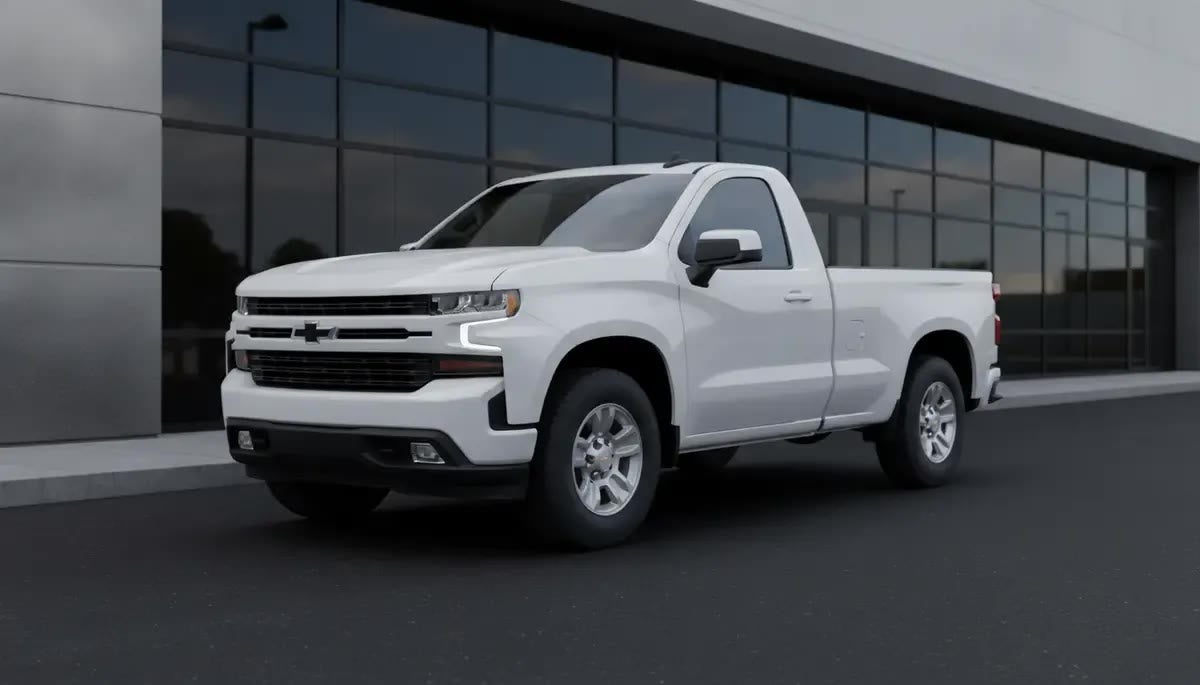
New white Chevrolet Silverado regular-cab work truck parked beside a commercial building

Commercial trucks for sale in Port Chester, NY are easier to compare when the job comes first. A landscaper hauling trailers needs a different Chevrolet than a contractor ordering an enclosed body. A crew that carries ladders in an open bed is shopping for something else again. H & L Chevrolet is one Chevrolet store at 1416 Post Road in Darien, Connecticut. The drive from Port Chester follows Boston Post Road. The commercial vehicles page is where the store points business buyers. Internet quote requests there are answered within four business hours.

Call (203) 655-2551 to talk with H & L Chevrolet about a new commercial truck, or request a quote for the configuration you want to compare.

Commercial trucks for sale in Port Chester, NY start with the job

Port Chester sits on the New York side of the state line. Shops, restaurants, and service businesses line Boston Post Road and the streets around it. Many of those businesses need a truck that can leave a tight lot in the morning. By afternoon, that same truck may be pulling a trailer, carrying a ladder rack, or riding with a loaded bed. Write the job down before you open inventory.

Use a short list:

  • What has to move: loose material, boxed goods, tools, passengers, or a trailer.
  • How often it moves: a few stops a day, or a truck that stays loaded all week.
  • Where it parks: a downtown Port Chester lot, a job site, or a home driveway.
  • Who drives it: one owner, or several employees who need a simple cab.
  • What gets added later: a cap, a rack, a plow, or a custom body.

That list usually points to one of four new Chevrolet paths. Those are a light-duty Silverado 1500, a Silverado HD pickup, a Silverado 3500 HD Chassis Cab, or an Express Cargo van when the work should be enclosed. The van comparison belongs in a van guide. This page stays with the truck decision. It only notes when a van is the cleaner fit.

H & L Chevrolet sells new Chevrolet cars, trucks, SUVs, and EVs from that single Darien location. The commercial page says the store will look for a configuration it does not have on the lot. A model page is research. It is not proof that a specific cab, bed, or axle is waiting in Darien today. Ask for the exact truck in writing.

Which new Chevrolet commercial truck fits the work

Chevrolet publishes capability figures by configuration. The number on a brochure is the maximum available for a properly equipped truck. It is not the rating of every Work Truck on the lot. Passengers, fuel, a rack, and a body all reduce what the truck can carry. Confirm the door sticker and the build for the VIN you are considering.

Commercial needChevrolet to comparePublished figure to verifyQuestion for Darien
Open-bed hauling and lighter trailers.Silverado 1500.Up to 13,300 lb trailering. Up to 2,260 lb payload when properly equipped.Which cab, bed, and axle match the trailer and the daily load?
Heavier trailers with a pickup bed.Silverado 2500 HD or 3500 HD.HD chassis. Ratings change with engine, axle, and model year.Do you need single rear wheels or dual rear wheels?
Service body, dump, or other upfit.Silverado 3500 HD Chassis Cab.Up to 14,000 lb GVWR. Up to 7,329 lb payload. Cab-to-axle of 60 or 84.5 inches.Will the body maker's cab-to-axle and PTO needs match?
Enclosed tools or shelving.Express Cargo Van.Cargo payload up to 4,280 lb on Express 3500. Wheelbase of 135 or 155 inches.Is a van the better tool, or do you still need an open bed?

Those figures come from Chevrolet's current commercial pages. They cover the Silverado 1500, the Silverado 3500 HD Chassis Cab, and the Express van. They are manufacturer maximums. They are not an H & L Chevrolet price. They are not a promise of stock. They are not a rating you can assume for a truck you have not specced.

Silverado 1500 for lighter commercial work

Chevrolet's 2026 Silverado 1500 commercial specifications list a max available trailering rating of 13,300 pounds. They list a max available payload of 2,260 pounds. Chevrolet also lists a standard bed volume of 89.1 cubic feet and 12 standard tie-downs. A Work Truck or another lower trim can be the practical commercial choice. That is true when you want a durable bed, a straightforward cab, and trailer capacity that is not yet HD territory.

Engine choice changes the truck. Chevrolet lists a turbocharged gas engine, two V8 gas engines, and an available 3.0L Duramax diesel on the 1500. Highway fuel economy and torque differ by powertrain. If the truck will tow most days, ask which axle ratio and trailering equipment the rating assumes. If it will spend more time in Port Chester traffic than on the highway, the lighter configuration may be the one you want to drive.

Silverado HD when the load outgrows a 1500

Move to a Silverado 2500 HD or 3500 HD when the trailer, the fifth-wheel, or the constant payload is past what you want a half-ton to do. Chevrolet's heavy-duty pickup page is model-year specific. Ratings move when the diesel, the axle, and the cab change. Do not copy a 1500 trailering number onto an HD truck. Do not treat an HD brochure maximum as the rating of the truck in front of you.

H & L Chevrolet publishes a 2026 Silverado HD research page for shoppers who want the model overview before they visit. Use it to learn the layout. Then ask which new HD configuration can be quoted for your trailer and your payload. Do not assume every HD trim is a work truck.

Chassis cab when the body is the business

Some Port Chester businesses do not want a pickup bed at all. A plumber, a landscaper with a dump body, or a contractor who already has a body builder needs a chassis. The 2026 Silverado 3500 HD Chassis Cab is built for that. Chevrolet lists a maximum GVWR of 14,000 pounds and payload up to 7,329 pounds. It offers Regular Cab or Crew Cab, plus cab-to-axle lengths of 60 inches or 84.5 inches. An available power take-off package matters if the body needs engine power for a pump, a lift, or similar equipment.

The upfit itself is a separate purchase. Chevrolet notes that equipment from independent suppliers is not covered by the GM New Vehicle Limited Warranty. Bring the body maker's cab-to-axle, wheelbase, and PTO requirements to the quote. Specify the chassis and the body together.

How to read a commercial truck listing

A commercial listing is useful when it names the configuration. A photo of a white truck is not. Before you request a quote, look for the items that change whether the truck can do the work:

  • Cab style, and how many people must ride to the job.
  • Bed length or, on a chassis cab, cab-to-axle length.
  • Two-wheel drive or four-wheel drive.
  • Single or dual rear wheels on HD models.
  • The engine, and whether a diesel is required for the trailer or the duty cycle.
  • GVWR, payload, and the trailering equipment actually on that truck.
  • Anything already added, such as a rack, a cap, or a body, and who stands behind it.

If a figure is missing, ask for it. Do not fill the gap with a national maximum. The same rule applies to price. Any price H & L Chevrolet shows has to include the dealership's conveyance fee in the reading. A price with rebates is not the same number as a price without them. Many buyers do not qualify for every rebate. This guide does not quote a current price. Ask for two written numbers on the specific VIN or build. One should include only the rebates you qualify for. The other should exclude rebates.

Port Chester shoppers who are still comparing everyday new Chevrolets can use the store's guide to new cars for sale in Port Chester. That article covers household shopping. It is a different job from speccing a commercial truck.

Plan the drive from Port Chester to Darien

There is no H & L Chevrolet store in Port Chester. The dealership is at 1416 Post Road, Darien, CT 06820. The hours page lists Port Chester among the communities it serves. Serving a town means you can shop and request a quote from there. It does not mean delivery to a job site, a second showroom, or a New York registration desk inside the store.

Boston Post Road is the straightforward route. Give yourself time for I-95 traffic if you are crossing at rush hour. Plan the visit around the sales department rather than the service drive. Department hours on the site do not all match. Confirm the sales schedule on the hours and directions page or by phone before you leave Port Chester. Do not assume a Saturday service visit is available. Sales and service keep different schedules.

What to bring:

  • The job list from the first section, including trailer weight if you tow.
  • Measurements for any rack, body, or equipment you plan to add.
  • Driver count, so cab size is decided before the test drive.
  • Questions about New York title, registration, and tax. Ask what the store can handle. Do not assume a cross-border rule.

A test drive should include the kind of turn and parking you actually use. A straight highway run is not enough. If several people will drive the truck, bring one of them. If the truck will tow, ask whether a similar trailer setup can be discussed even when your trailer is not on the lot.

What to ask before you request a quote

The commercial page says internet quote requests get a response within four business hours. That is a reply commitment. It is not a guaranteed price, a held truck, or a confirmed appointment. A useful request is specific. "Send me your best truck price" is hard to answer well.

Put these items in the request:

  1. The Chevrolet type: Silverado 1500, Silverado HD pickup, chassis cab, or a note that you may need a van instead.
  2. Cab, bed or cab-to-axle, drivetrain, and engine preferences.
  3. The work: payload you carry, trailer you tow, and any upfit.
  4. Where the truck will be titled, so the quote can be discussed in context.
  5. Whether you want a test drive in Darien, a phone follow-up, or both.

If the store does not have that configuration, ask it to source one. Do not accept a silent switch to a different body style. The commercial page says the store will look for a vehicle it does not have. Hold the conversation to the configuration you described.

Financing and parts exist at the dealership, but they are not the point of this search. If you want numbers, ask for a written quote on the truck itself. Keep payment terms as a separate conversation. Buyers who need an enclosed cargo van can read the store's work van guide. Then ask whether a cargo van belongs in the same quote.

Book a test drive in Darien once you know which commercial configuration you want to drive.

Frequently asked questions

Where can a Port Chester business look at new Chevrolet commercial trucks?

At H & L Chevrolet, 1416 Post Road, Darien, CT 06820. The store is in Connecticut, not in Port Chester, and it is the only H & L Chevrolet location. Start with the commercial vehicles page. Then request a quote or book a test drive for the configuration you need.

Does commercial trucks at this store mean a pickup, a chassis cab, or a van?

It can mean any of those, which is why the job matters. A Silverado 1500 or Silverado HD still has a bed. A Silverado 3500 HD Chassis Cab is for a body you add. An Express Cargo is the enclosed alternative. Tell the store which one you mean so the quote is for the right truck.

Are the towing and payload numbers in this guide the numbers on every truck?

No. Chevrolet publishes maximum available ratings for properly equipped configurations. Payload and trailering change with cab, bed, engine, axle, and options. Read the sticker on the specific truck. Or ask H & L Chevrolet to quote the rating for the VIN or build you are considering.

Can the store quote a commercial truck that is not on the lot today?

The commercial page says the store will look for a vehicle it does not have. It also says internet quote requests are answered within four business hours. That reply is not a promise that every configuration can be located. It is not a delivery appointment.

Should a Port Chester shopper use this page for a personal pickup?

Use it if the truck is for work and you need to compare commercial configurations. If you are shopping new Chevrolets more broadly, the Port Chester new-car guide is the better start. Choosing a dealership from another Connecticut city is a different article. This one stays on the commercial truck decision.

Request a quote or book a test drive

Bring the job, the configuration, and your questions to one place. H & L Chevrolet can respond to an internet commercial quote within four business hours. You can book a test drive at the Darien store when you are ready to compare the truck in person. Raymond Terribile is the general manager. Ask for a written quote on the specific truck, with and without any rebates, before you treat a number as final.

Call (203) 655-2551 if you want a person at the Darien store to walk through the commercial truck with you. You can also contact us online.
Recommended Posts

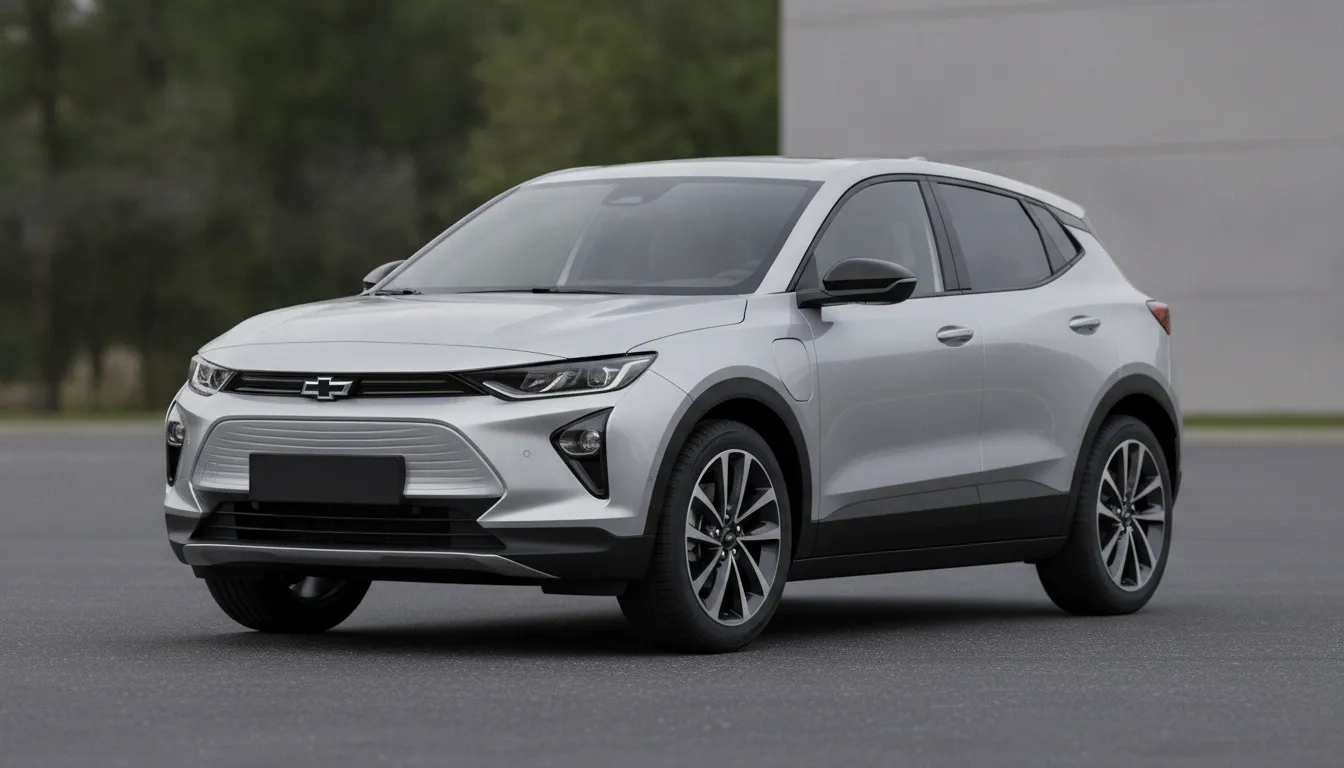
New silver Chevrolet Equinox EV parked on pavement in daylight

How Much Does It Cost to Charge an Electric Vehicle?

How much does it cost to charge an electric vehicle? For a new Chevrolet, start with the model you would actually drive. A national average hides the choice in front of you. At H & L Chevrolet on Post Road in Darien, the 2026 Equinox EV page lists an EPA-estimated 319 miles of range with front-wheel drive. All-wheel drive is listed at 307 miles. The EPA rates that FWD model at 31 kWh per 100 miles and the AWD model at 33 kWh per 100 miles. Those figures let you compare energy use before you talk price. Call (203) 655-2551 to book a test drive of a new Chevrolet EV. How Much Does It Cost to Charge an Electric Vehicle Like the Equinox EV? A charging bill is the energy you add times the price of that energy, plus any separate session fee the charger adds. The vehicle side of that math is public, while the rate side is not a dealer number and changes with your utility, the time of day, and the charger you use. A model page is also not a promise that one specific SUV is sitting on the lot today. H & L Chevrolet is one Chevrolet store at 1416 Post Road, Darien, CT 06820. Shoppers come from Stamford, Norwalk, Greenwich, Westport, Fairfield, New Canaan, and nearby Westchester County. The team compares new Chevrolet cars, trucks, SUVs, and EVs, then follows up when you call or send a form. Call or send a test-drive request and the team will confirm which new Equinox EV can be driven. Use the Equinox EV as the worked example, because both drive types are published for the 2026 model year. If you are also cross-shopping a Blazer EV, read the separate Blazer EV range and charging guide for that model's own label. This page stays on energy use and on what those figures mean for a charging-cost estimate. Shoppers ask this cost question because the monthly energy bill is part of choosing a new SUV, not a homework assignment after delivery. You do not need a home charger picked out before a test drive. You do need the right energy figure for the drive type you are considering, so a later quote is not built on the wrong SUV. What the 2026 Equinox EV Uses Per Mile The EPA lists the 2026 Equinox EV with front-wheel drive at 31 kilowatt-hours per 100 miles, and the label's total range is 319 miles. You can read that FWD row on the official EPA listing for the 2026 Equinox EV FWD. The all-wheel-drive model with the 11 kW charger is listed at 33 kWh per 100 miles, with a total range of 307 miles, on the matching EPA listing for the AWD model. Chevrolet and the H & L model page use the same 319 and 307 mile figures, and both note that real range varies with temperature, terrain, battery condition, load, and how you drive. EPA also lists a 240-volt charge time of 9.5 hours for both of those 2026 configurations. That is a full-charge lab figure, not a promise for a short top-up at home. The dealer page says an available Level 2 charger needs professional installation. Actual charge time depends on the battery's starting charge, charger output, vehicle settings, and outside temperature. Published EPA figures for the 2026 Equinox EV. Drive type. Energy use. Total range. Time on 240 volt power. Front-wheel drive. 31 kWh per 100 miles. 319 miles. 9.5 hours. All-wheel drive. 33 kWh per 100 miles. 307 miles. 9.5 hours. The shopping takeaway: over 100 miles, all-wheel drive is rated to use about 2 kWh more than front-wheel drive. Over 1,000 miles, that gap is about 20 kWh. You can price the gap with your own rate, but neither row is a forecast of your future bill. Read the window sticker on the exact SUV, not a different model year. A 2025 or 2027 Equinox EV can carry another range number. This comparison uses only the 2026 FWD label and the 2026 AWD label with the 11 kW charger. If a vehicle on the lot is a different year, ask the sales team to pull that sticker before you reuse these rows. Front-wheel drive is the efficiency pick on these labels, while all-wheel drive is the traction pick and uses a little more energy per mile on the EPA test. Winter roads between Darien and Ridgefield, or a commute that climbs toward Wilton and New Canaan, are reasons some shoppers still prefer all-wheel drive. The label will not make that choice for you, because it only prices the energy difference. A Local Energy Example, Not a Quote The U.S. Energy Information Administration, in Electric Power Monthly Table 5.6.A released on October 23, 2026, reported Connecticut's average residential price at 24.51 cents per kWh for August 2026. That figure is a statewide average for homes, not your own utility bill and not a public-charger price. The steps below use that published statewide average only to show the scale of the FWD and AWD gap. Take the EPA figure for the drive type you are comparing: front-wheel drive is 31 kWh per 100 miles, and all-wheel drive is 33. Multiply by the miles you expect, then divide by 100. At 1,000 miles, front-wheel drive is 310 kWh and all-wheel drive is 330 kWh. Multiply those kilowatt-hours by a rate you choose. At 24.51 cents, the energy portion is about $76 for front-wheel drive and about $81 for all-wheel drive. Add any fee that is not already inside the per-kWh rate, because a session fee or a parking charge can matter more than the two-kWh gap. That five-dollar gap over 1,000 miles is an illustration. Your rate may be lower on an off-peak plan or higher at a public fast charger. The EIA figure is already months old by the time you read this. Pull the current rate from your own bill before you budget. Keep the annual miles honest as well. A 12,000-mile year is about 1,000 miles a month, which is about 310 kWh on the front-wheel-drive example and about 330 kWh on the all-wheel-drive example before any fees. Multiply by the rate on your own bill rather than by a number from a national advertisement. If you drive closer to 8,000 miles a year, scale both figures down by the same share so the comparison stays fair. Public charging can erase that small vehicle gap, because a fast-charger price well above a home rate will dwarf the 2 kWh difference between these two Equinox EV labels. Put the mix of home and public sessions in the same note as the drive type, and change only one input at a time. Otherwise you cannot tell whether the bill moved because of all-wheel drive or because of the charger you used. Do not read a model-page starting price as an out-the-door number. The manufacturer price excludes tax, title, license, dealer fees, and options, and the dealer sets the final price. Any price we show a shopper includes the $799 dealer conveyance fee, with one figure that includes rebates and one that does not. Ask for both figures on a quote request. What Changes the Cost Besides the Vehicle Home charging and public charging are different products. A home session is mostly your utility rate, while a public session can add an idle fee, a session fee, or a higher price per kilowatt-hour. The Equinox EV page points shoppers to more than 250,000 public chargers in the myChevrolet app, including Tesla Superchargers where a GM-approved adapter and in-app setup apply. Access and price still depend on the network you actually use. Weather and speed move the energy number before the rate does. A cold cabin, highway speeds, a roof load, or a full passenger cabin can use more energy than the EPA combined figure. The label is only a comparison of front-wheel drive and all-wheel drive, not a forecast of a Post Road commute or a summer trip toward Fairfield and Bridgeport. Charge level changes the clock, not the basic energy math. The EPA 9.5-hour figure is a 240-volt full charge for those 2026 rows, a standard wall outlet is slower, and a DC fast charger is faster and usually priced apart from a home rate. This page cannot spec a home charger, a panel upgrade, or a utility plan, because those are questions for an electrician and your power company. A test drive is the place to feel how the SUV slows and how the cabin is prepared before you leave the lot. Those driving choices do not change the EPA row you use for a first comparison. They do change how the vehicle feels in stop-and-go traffic on the Boston Post Road. Ask to try both drive types if both are available that day. Heating or cooling the cabin while the SUV is still plugged in draws energy from the outlet instead of the pack. That can leave more of the labeled range for the drive. It does not change the 31 or 33 kWh comparison between FWD and AWD. Ask on the test drive how the vehicle you are considering handles a cabin that was warmed or cooled before you start. How FWD and AWD Compare for Darien Drivers Bring the same driving week to both configurations. A Stamford or Norwalk commute will not match the EPA combined cycle. Neither will a Saturday trip toward Westchester or a winter cabin load. Ask to see the window label for the exact vehicle. Then match front-wheel drive or all-wheel drive to the row above. Shoppers often arrive with a payment question and a charging question in the same visit, and the two should stay separate. The energy math above is not a lease payment, a rebate, or a monthly quote, and financing is a different conversation. Any payment we discuss should show a price with rebates and a price without them, each including the conveyance fee. Charging cost sits with the utility and the charging network, and it continues after you take delivery. On a test drive, notice three things that affect energy use more than a brochure can. How the SUV slows in Darien traffic, since that feel changes how often you add energy later. Whether you would charge mostly at home or mostly on public plugs along I-95 and the Merritt. How much cargo and passenger load you carry. The range note calls out loading on purpose. The 2026 Equinox EV page at H & L lists seating for up to five and up to 57.2 cubic feet of cargo space. Cargo and load capacity are limited by weight and distribution. The same page lists a 17.7-inch diagonal center screen. The page says that screen is the largest among EVs in its class, based on the latest competitive data. Those details are shopping facts rather than cost inputs, and they help you decide whether this SUV is the one to price before you look at a Blazer EV or another new Chevrolet. New Chevrolet EVs on the Darien site also include the Blazer EV and the Silverado EV, and each model carries its own range label. Do not copy the Equinox figures of 31 or 33 kWh per 100 miles onto those vehicles. A truck that tows, or a different SUV, can use more energy per mile, so compare the labels side by side and then decide which new Chevrolet fits the miles you drive. The Blazer EV carries its own EPA range on its own page. That is a different SUV with a different label. Use the Blazer guide for those figures, not as a substitute for the Equinox rows in the table above. If you want both SUVs in one visit, say so when you book. The team can pull the two window stickers before you arrive. A model page is a snapshot rather than a promise of what you can drive. Search current electric vehicles in Darien, then confirm the VIN, the drive type, and the window sticker with the sales team. You can also start from the 2026 Equinox EV page and ask which vehicles can be driven this week. H & L Chevrolet helps local drivers compare new Chevrolet models and the options on them. The store sits on Post Road, so a test loop can cover the same stop-and-go traffic many Fairfield County commuters see. Raymond Terribile, the general manager, is the usual follow-up on a lead that comes in by phone or from the website. Call ahead so the SUV you want is pulled up, and bring the commute you actually drive. Call (203) 655-2551 or book a test drive before you compare FWD and AWD in person. Frequently Asked Questions Does H & L Chevrolet publish a current charging price? No. The store does not set your home electric rate or a public charger's session fee. We can show the EPA energy-use and range figures for the new Equinox EV you are comparing. You apply your own rate to those figures. Which Equinox EV uses less energy, FWD or AWD? For 2026, EPA rates front-wheel drive at 31 kWh per 100 miles. The AWD model with the 11 kW charger is rated at 33 kWh per 100 miles. Range is 319 miles for FWD and 307 miles for AWD. Real use can differ from both labels. Is the 9.5-hour charge time what I should expect at home? That figure is the EPA 240-volt full-charge time for those two 2026 configurations. A partial charge is shorter. A different charger, a cold battery, or a low starting charge can change the clock. A Level 2 install is a separate project for a qualified electrician. Can I see an Equinox EV at the Darien store? Yes. H & L Chevrolet sells new Chevrolet EVs, including the Equinox EV, at 1416 Post Road. Call or send a test-drive request and the team will confirm what is available to drive. A model-page range number is not the same thing as a vehicle staged for a drive today. Where should I look for Blazer EV charging details? Use the Blazer EV range and charging article for that model. This page does not repeat Blazer labels, trims, or hardware. If you want both SUVs priced, ask the sales team to pull each window label before the drive.

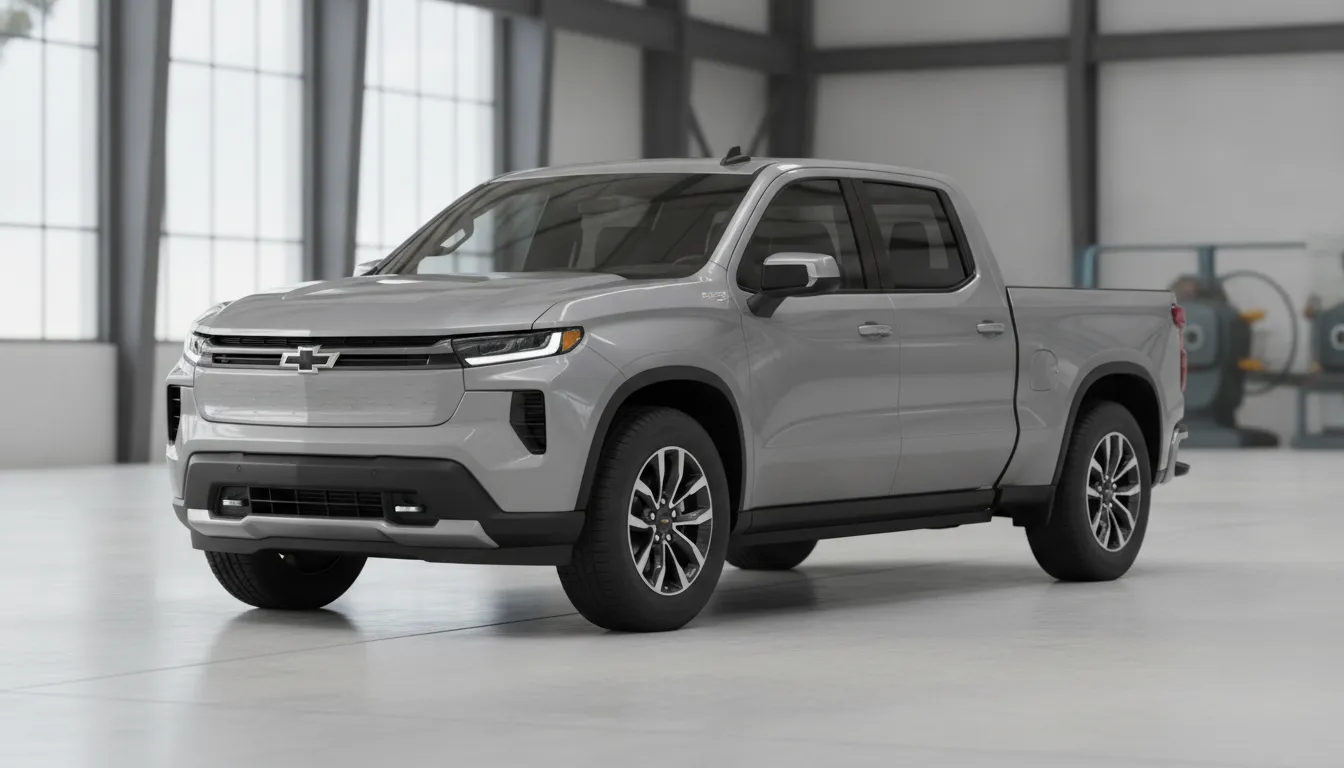
New silver Chevrolet Silverado EV pickup parked in daylight

Chevrolet Silverado EV Range and Charging

A long range number is a starting point, not a promise about your week. Chevrolet Silverado EV range and charging depend on the exact truck, the battery pack, the charger you can actually use, and how you drive. Two trucks with the same badge can carry different window labels. Cold mornings, highway speed, a loaded bed, and a trailer all change the result. Book a test drive at (203) 655-2551 H & L Chevrolet in Darien can walk through the label on a specific new Silverado EV with you. The dealership is at 1416 Post Road and serves shoppers from Stamford, Norwalk, Greenwich, Westport, and nearby Fairfield County towns. This guide covers the questions worth asking before you request a drive. It does not quote a price, a payment, or a truck that is sitting on the lot today. What Should You Check on a Silverado EV Range Label? Start with the truck in front of you. The EPA range on the window label is the figure tied to that configuration. A headline that says "up to" a certain mileage describes the longest published estimate in the lineup, not every Work Truck, LT, or Trail Boss. Chevrolet's May 21, 2025 announcement for the 2026 Silverado EV lists these ranges on a full charge with standard content. 2026 trim Battery pack Published range Work Truck Standard 286 miles, EPA-estimated. Work Truck Extended 424 miles, EPA-estimated. Work Truck Max 493 miles, EPA-estimated. LT Standard 283 miles, EPA-estimated. LT Extended 410 miles, EPA-estimated. LT Max 478 miles, GM-estimated. Trail Boss Extended 410 miles, EPA-estimated. Trail Boss Max 478 miles, GM-estimated. The U.S. Department of Energy's FuelEconomy.gov listings for 2026 match three of those EPA totals: 424 miles for the extended-range Work Truck, 410 miles for an extended-range model, and 493 miles for the max-range Work Truck. Read the 2026 Silverado EV fuel-economy listings beside the window sticker, because equipment such as wheel size can change the rated truck. A GM-estimated figure is not the same kind of number as an EPA estimate. Chevrolet calls the 478-mile LT and Trail Boss Max figures development estimates that can change. It also says real range varies with temperature, terrain, battery age, loading, use, and maintenance. If a sticker and a brochure disagree, trust the sticker on that VIN. Older model pages tell a different story. The Silverado EV details page for the 2024 RST cites 440 miles of GM-estimated range. The 2026 Silverado EV page leads with up to 493 miles EPA-estimated. Ask which year and battery pack you are looking at before you compare those headlines. How Do Battery Pack and Equipment Change the Estimate? Battery pack is the first split. On the 2026 lineup Chevrolet published, Work Truck and LT can be ordered with Standard, Extended, or Max packs. Trail Boss starts at Extended. Moving from Standard to Extended is the difference between roughly 280 miles and roughly 410 to 424 miles on those EPA rows. Max is the pack behind the 493-mile Work Truck figure. Equipment moves the number too. Larger wheels, all-terrain tires, and a lifted suspension add rolling resistance. That is why a Trail Boss with the Extended pack is listed at 410 miles while a Work Truck with the Extended pack is listed at 424. The off-road truck is built for clearance, not for the longest label. Ask these questions about the specific truck: Which battery pack is installed: Standard, Extended, or Max? Is the range on the label an EPA estimate or a GM estimate? What wheel and tire package is on the truck, and does the label match that package? Does this truck include the onboard charger rate you need at home? Do not borrow a number from a different Chevrolet EV. The Blazer EV range and charging guide covers an electric SUV with its own trims and charge rates. A Blazer figure will not tell you what a Silverado EV pickup will do with a bed full of material or a trailer on the hitch. Chevrolet Silverado EV Range and Charging at Home Home charging is the habit that makes an electric truck workable. Chevrolet lists two Level 2 onboard rates for the Silverado EV. Standard trucks accept up to 11.5 kW of AC charging. Trucks equipped for the higher rate accept up to 19.2 kW. A wall charger can only deliver what the truck and the circuit both allow. A 11.5 kW truck on a 19.2 kW charger still charges at the truck's limit. Chevrolet's 2026 charging notes also list about 37 miles of range per hour from a 240-volt Level 2 session at up to 19.2 kW, in suitable conditions. That is an illustration, not a timer you can set. A colder battery, a higher starting charge, or a lower-output home unit will add fewer miles per hour. The included dual-level charge cord supports 120-volt and 240-volt charging, and a new outlet may need professional installation. Before you count on overnight charging, confirm four things where the truck will park: You have a dedicated parking spot where a cord can reach the charge port without crossing a walkway. The electrical service can support a 240-volt circuit at the amperage the charger needs. You know whether this VIN's onboard charger is the 11.5 kW rate or the 19.2 kW rate. You have a backup plan, such as a public charger, for nights you cannot charge at home. Panel upgrades, permits, and charger installation are a separate project. This article does not specify wire size or a contractor. If you rent, or if you park on the street, say so during the visit. A long EPA number does not help if the truck cannot charge where it sits overnight. What Should You Ask About Public Charging? Public charging covers the trips that outrun a home charge. DC fast charging speed on the Silverado EV depends on the battery pack and the station. Chevrolet's fleet specifications for 2026 list up to 220 kW on the 400-volt standard pack. Extended and Max packs use 800-volt charging, listed up to 300 kW or 350 kW. The May 2025 Trail Boss release pairs those peaks the same way: 220 kW standard, 300 kW extended, and 350 kW max. A peak rate is the ceiling, not the whole stop. Charging slows as the battery fills, and a station may deliver less than its posted maximum. Chevrolet has also described about 100 miles of range in 10 minutes as a GM estimate under favorable conditions. Plan the stop, not the peak. Starting near a low state of charge, with a warm battery and an open high-output stall, is when those short stops are most realistic. On a test drive visit, ask the product specialist: Which charge port and public-charging access this model year uses, and whether an adapter is needed for the networks you already use. Whether this battery pack is the 220 kW class or a higher 800-volt class. How the myChevrolet app is used to find stations and plan a route for this truck. What a typical highway stop looks like from 10 percent to 80 percent, rather than a 10-minute best case. H & L Chevrolet can point you to new Silverado EV inventory and to the model research pages. The team cannot see your driveway, your panel, or the stall you will use in Stamford or Norwalk. Bring those details with you. What Changes Real-World Range After You Leave the Lot? The window label assumes a standard test. Your week will not. Chevrolet states that actual range varies with temperature, terrain, battery age and condition, loading, use, and maintenance. For a full-size electric pickup, the swing can be large. Cold weather is the one Fairfield County drivers notice first. Cabin heat draws energy that a mild day would have used for miles. A cold battery also accepts a fast charge more slowly until it warms up. Highway speed matters next. The jump from a 55 mph cruise to a 75 mph run on I-95 raises energy use more than the same change would in stop-and-go traffic. A headwind and a loaded bed do the same kind of work against the truck. Trailering is its own range event. The 2026 Silverado EV pages cite up to 12,500 pounds of available trailering on equipped trucks. Towing near that rating will not return the unloaded EPA number. If you tow, ask for the trailering guidance for that VIN and plan charging stops as if the label were a comparison tool, not a travel promise. A few driving habits give some of that energy back. One-Pedal Driving slows the truck when you lift off the accelerator and can recover energy in traffic. Regen on Demand lets you trigger extra slowing by hand. Neither feature raises the EPA label. Both can make a local Darien-to-Greenwich loop use less energy than a hard stop-and-go style. Use the label to compare trucks. Use your own route to judge a truck. A shopper who drives 40 miles a day on local roads is asking a different question than a shopper who runs to Westchester and back with cargo. Tell the specialist which of those weeks is yours. Which Questions Belong on a Test Drive? A test drive is the right time to connect the label to the seat. You will not reproduce a 400-mile day in half an hour. You can confirm that the truck you might buy is the truck the numbers describe. Bring a short list: Read the window label together and match the year, trim, and battery pack to the published row. Ask which onboard AC rate this VIN has, 11.5 kW or 19.2 kW. Ask which DC fast-charge class applies, and what connector or adapter a public stop requires. If you tow or carry long material, ask how load changes range and whether the Multi-Flex Midgate is on this truck. Ask how to watch energy use on the 11-inch driver display and the 17.7-inch center screen during the drive. Then drive the kind of road you actually use. A few miles on Post Road show how One-Pedal Driving feels in local traffic. A short highway stretch shows wind and speed. Neither replaces the label, and neither should be turned into a personal range claim. When you are ready, book a test drive or contact the sales team and name the Silverado EV configuration you want to review. You can also search new Silverado EV inventory before you come in. Inventory changes, so confirm the truck with the store rather than assuming a web listing is still available. Call (203) 655-2551 to request a Silverado EV test drive Frequently Asked Questions Does every Silverado EV have 493 miles of range? No. Chevrolet lists 493 miles as the EPA-estimated range for a 2026 Work Truck with the Max battery pack. Other 2026 rows run from 283 miles on a Standard-pack LT to 424 miles on an extended-range Work Truck. Some Max-pack LT and Trail Boss figures are GM estimates of 478 miles, not EPA estimates. Read the label on the truck you are considering. How long does home charging take? It depends on the onboard charger, the wall unit, and the starting battery level. Chevrolet describes up to 11.5 kW on standard trucks and up to 19.2 kW when the truck is equipped for that rate. One published illustration is about 37 miles of range per hour at up to 19.2 kW on a 240-volt Level 2 charge. A 120-volt cord is slower and is a backup, not a daily plan for a full-size truck. Can I use a public fast charger? Yes, when the station matches this truck's charge port and the stall is working. Peak rates published for 2026 are up to 220 kW on the standard pack and up to 300 kW or 350 kW on extended and max packs. The rate falls as the battery fills, and cold weather slows the session. Ask which connector or adapter the model year on the lot requires. Will towing cut the range a lot? Expect a meaningful drop. Chevrolet says actual range varies with loading and how you use the truck, and equipped 2026 models list up to 12,500 pounds of available trailering. The EPA number is not a towing number. If a trailer is part of the job, bring the trailer weight to the conversation and plan more charging stops than the unloaded label suggests. Where can I review a Silverado EV near Darien? H & L Chevrolet is at 1416 Post Road, Darien, CT 06820. Shoppers from Stamford, Norwalk, Greenwich, Westport, New Canaan, and other nearby towns can review Silverado EV details, search current inventory, and book a test drive. Call (203) 655-2551 and ask for the year, trim, and battery pack you want to confirm.

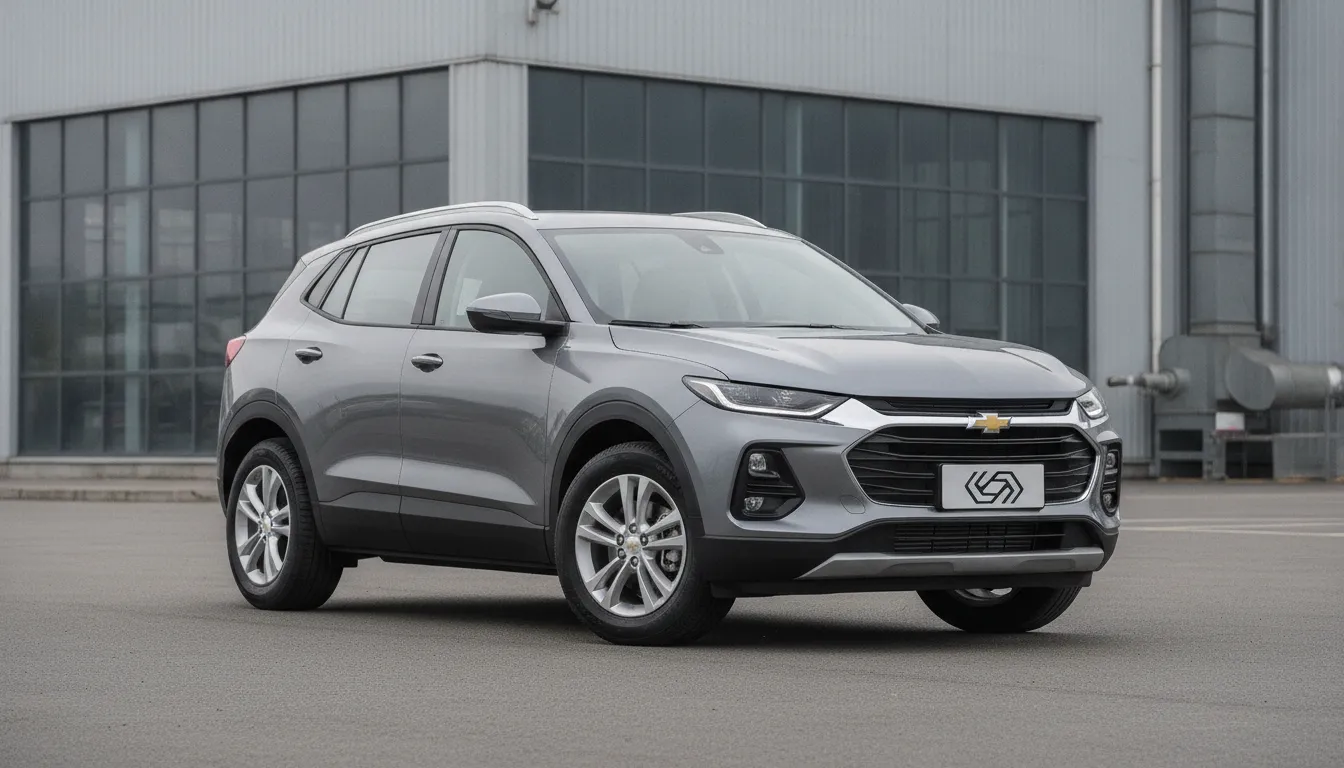
Gray new Chevrolet crossover SUV parked outside a modern building in daylight

Chevrolet Test Drive: What to Notice

A Chevrolet test drive is the part of new-car shopping that a listing cannot do for you. Photos show the shape of the vehicle, while a window sticker only lists the equipment. Neither one tells you whether the seat reaches a comfortable driving position. It also will not show whether the rear view is clear in a Darien lot, or whether brake feel matches stop-and-go traffic on Post Road. H & L Chevrolet can put you in a new Chevrolet at 1416 Post Road in Darien. You can check those things on a route you already drive. Call H & L Chevrolet at 203-655-2551 to request a Chevrolet test drive. This page is about what to notice once you are already in the driver's seat. It is not a guide to picking a body style from scratch or filtering a long inventory list. If you still need that earlier step, start with the new-car shopping guide, then come back here with one or two vehicles worth driving. A request through the test drive form is not a confirmed appointment until the store confirms it. Set up the Chevrolet test drive before you leave the lot The first five minutes usually decide whether the rest of the drive is actually useful. Do that setup in the parking area at H & L Chevrolet, before you pull out onto Post Road. You are checking fit for your own driving position, not starting a scenic loop around town. Adjust the seat, the wheel, and the mirrors for the person who will drive most of the miles, and then leave them there. A drive taken in someone else's seating position tells you about their fit, not yours. If two people will share the Chevrolet, have the second driver repeat the whole setup instead of compromising on a middle setting that fits neither person. Check these items before you shift into drive: Seat height and distance, so your knee has a slight bend and you are not reaching for the pedals. Steering-wheel reach, so your shoulders stay against the seatback while your hands rest on the wheel. Mirror coverage, including whether the rear pillars block a lane change. Seat-belt path across the shoulder you actually use, not the one that looks right in a photo. Where you would set a phone, a toll pass, or sunglasses without blocking a vent or a stalk. If a child seat is part of the weekly pattern, install it now rather than guessing from the anchor diagram. The same goes for a work bag or a folded stroller that has to live behind a seat. A Chevrolet that fits you and fails the seat behind you is not a real fit for the household. Tell the product specialist which roads you want to include before you leave. A useful Darien loop includes a low-speed street and a stop at a light on Post Road. Add a short faster stretch toward Stamford or Norwalk if that is your commute. Ten minutes in a straight line will not show you parking feel or the brake feel you get in real traffic. What to notice in the first mile Use the first mile for controls and sightlines, not for a burst of acceleration. You are learning where the controls are while the car is still moving slowly. Rushing that mile is how shoppers miss a stalk or a pedal they would otherwise live with every day. Notice this. Try it this way. A useful note. A reason to pause. Forward view over the hood. Pull toward a curb or a parking line. You can judge the front corners without guessing. You cannot tell where the front ends. Rear view while backing. Back into one open space. Mirrors and the camera agree on the space. The camera is the only way you can see. Pedal spacing. Move from brake to accelerator once. Your foot lands cleanly without catching the side of a pedal. You have to lift your whole leg to switch. Control reach. Set the wipers and a turn signal without looking down. You find both without a search. You have to look away from the road to find them. Cabin entry after the drive starts. Have a passenger get in and out once. The step-in works for the people who ride with you. Someone you carry has to climb or duck. Read the table as a same-day checklist, not as a score that is meant to crown one Chevrolet over another. Write a short line for each row while the impression is still fresh. "Front corners were easy to place" is a useful note. "Felt fine" is not. Visibility is a local driving question, and it changes with the street. A hood that feels high on a wide dealer lot can feel fine on a familiar street, or the reverse can be true. If you park in a tight garage in Greenwich, Westport, or New Canaan, say so before the drive. Use a similar space if the route allows. Do not assume a backup camera removes the need to see the corners yourself in the mirrors. Ride, braking, and noise on your real route After the first mile, drive the pattern you repeat during a normal week. The point of a Chevrolet test drive is to feel this specific vehicle on that familiar pattern, not to sample every drive mode in an empty lot. On a slow street, notice how quickly the suspension settles after a rough patch or a sharp driveway cut. A floaty rebound and a sharp tap are different problems, and they are worth separating in your notes. You do not need engineering language to make the note useful later. "Busy over small bumps" or "settles right away" is enough to compare the next vehicle. At a traffic light, brake from the speed you actually approach that light on a normal day. You are checking whether the stop is progressive and whether the nose dives in a way you would dislike every afternoon. One hard stop from highway speed is a poor stand-in for the ordinary stops you make on Post Road every afternoon. On the faster stretch of road, listen more than you accelerate. Wind noise at the mirrors, tire hum, and a rattle from the cargo area are easier to hear before the radio comes on. Turn the radio off for at least two minutes of that stretch. If a sound appears only on one road surface, write down which road it was. You may not hear it again once you are back in the lot. Steering should tell you something useful at ordinary town speeds. If the wheel feels vague in a gentle bend, or so heavy that a parking-lot turn becomes a chore, note which of those it was. You are not grading a sports car unless a sports car is the Chevrolet you came to drive. You are asking whether this steering feel matches the kind of week you already drive. If you are comparing two crossovers, drive both of them on the same roads in the same sitting. A Trax and an Equinox will not feel the same in traffic, and a morning drive versus an evening drive will not feel the same either. Keeping the route fixed is how you hear the vehicle itself instead of hearing only the traffic around it. Model research for the Trax and the Equinox can remind you which one you are in. It cannot tell you how either one actually rides on your own street. Use the passenger seat and the cargo area Drivers often finish a Chevrolet test drive without ever leaving the front seat. The people and the cargo that ride along are a real part of the decision. Park, turn the vehicle off, and check the rest of the cabin before you head back to the store. Sit in each row you would actually use during a normal week. A second row that looks fine from the driver's seat can feel tight once you are sitting in it, especially behind a tall driver. If a third row is why you are looking at a Traverse, Tahoe, or Suburban, sit in that row. Set the second row where it would be on a family trip. Getting into that row once is the test, and simply looking at the opening is not. With the seats set for the people who ride, see whether the cargo you named still fits behind them. A folded stroller, a grocery run, or a sample of work gear belongs in the opening you would use. A photo of the maximum cargo figure does not settle that. The Trailblazer fuel-economy guide and the Tahoe fuel-economy guide answer different questions about those models. They do not measure whether your own cargo fits. If the Chevrolet is a pickup, lower the tailgate and stand at the bed the way you would actually load it. Note the floor height and whether you can reach the front of the bed without having to climb in. Towing numbers and payload ratings are a separate check, covered for one SUV in the Suburban towing guide. Do not try to turn this drive into a towing estimate. Ask the store which published rating applies to the exact truck you just drove. Electric models need one extra pause before you leave the vehicle. Find the charge-port door and see whether it opens on the side of the vehicle where you would actually park at home. That placement is a driveway question, not a range question. Range and charging times belong to the exact model year, which the electric vehicle guide treats as something to confirm rather than copy from another year. Write the note before you drive a second vehicle Memory blends two Chevrolets together almost as soon as you sit down in the next one. Write these four lines before that blending happens. Do it in the lot while the first vehicle is still parked in front of you. Fit: could you hold your driving position without thinking about it? Sightlines: where were you guessing, if anywhere? Ride and brake: what did the familiar road feel like? People and cargo: what failed once you left the driver's seat? Add one more line for anything you already know you would not live with. A rattle you heard, a pedal you caught with your foot, or a back seat that did not work for a regular passenger belongs in that line. Optional features such as a larger screen can wait until the essentials are settled. Those features are easy to remember afterward and just as easy to overrate. If the first vehicle failed an essential requirement, do not average that failure away because the second drive has a nicer interior. Mark that vehicle as a no and move on to the next one. If it passed, treat the second drive as a comparison rather than a fresh start with no notes. Use the same four lines so the two sets of notes actually line up. Bring those notes into the conversation with the product specialist. H & L Chevrolet's team can explain a control you could not find. They can also confirm whether another configuration changes the seat, the camera, or the cargo opening. They cannot reconstruct a feeling you already forgot to write down. After the drive, confirm the vehicle and ask for a quote A useful Chevrolet test drive still leaves you with one specific vehicle, not with a generic model name. Before you talk about price, confirm the model year, the trim, and the equipment on the vehicle you just drove. A research page describes a model in general, while the vehicle in the lot is the one your notes actually describe. You can see what else is listed on the new vehicle inventory if you want a second configuration to drive. Filter that list to the same model so you are not restarting the whole search from the beginning. If the configuration you wanted was not available to drive, the vehicle order form is a request for one to be built, not a promised delivery date. When the notes still point back to the vehicle you drove, ask the store for a written quote. The quick quote form is the request path. Any price should be read with the dealer conveyance fee included, and alongside a version that does not assume a rebate you may not qualify for. The new vehicle specials page shows what the store is featuring. That page is not proof those offers apply to the VIN you just drove. If a trade is part of the conversation, keep that number separate and start it with the trade-in form. Financing questions should come only after you know the vehicle still fits. The finance page is where that conversation starts, and this drive does not set an APR or a payment. Call 203-655-2551 to book the Chevrolet test drive or request a quote. Frequently asked questions What should I pay attention to on a Chevrolet test drive? Start with seat and wheel reach, the mirrors, and whether you can place both the front and the rear of the vehicle. Then drive a slow side street, a stop you make often, and a short faster stretch of your usual road. Write down what you noticed before you get into a second Chevrolet. How long should a Chevrolet test drive be? It should be long enough to cover your normal driving pattern, not a fixed number of minutes picked in advance. A useful drive includes a parking maneuver, a town stop, and the kind of road you use most during the week. A loop that never leaves an empty lot will not show you brake feel in traffic or how the seat feels after a few real miles. Should I test drive more than one Chevrolet in the same visit? Two vehicles are enough if they are genuine finalists rather than a random sample. Drive them back to back on the same roads and use the same four notes: fit, sightlines, ride and braking, and people or cargo. Driving more than two in a single visit makes those notes blur together. Can I bring a child seat or cargo on the test drive? Yes. Bring the child seat or the cargo item that would rule a vehicle out if it did not fit. Install the child seat while you are still in the lot, and place the cargo in only after the seats are set for people. A diagram of the anchors is not the same thing as a seat that clicks into place and still leaves the driver enough room. Does requesting a test drive lock an appointment or a price? No. The online request is not a confirmed appointment until H & L Chevrolet confirms it, and the request itself is not a price. Call 203-655-2551 if you want to name the vehicle and the route before you come in to 1416 Post Road in Darien.